Lyens Beauty
Lyens Beauty
Lyens Beauty
Explore our premium machinery array engineered for micro-cutting, processing, and dermatological solutions
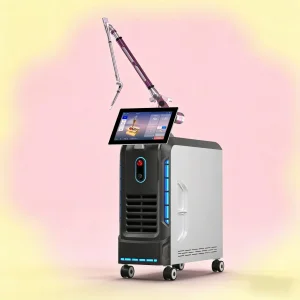
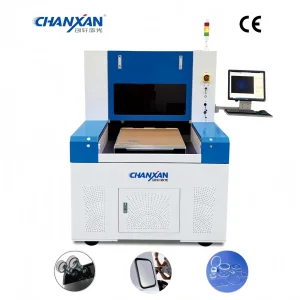
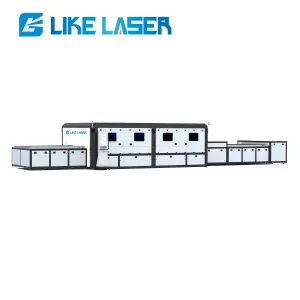
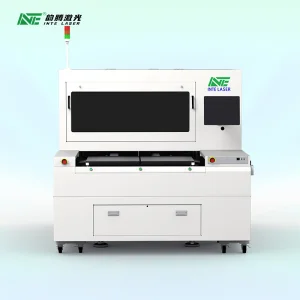
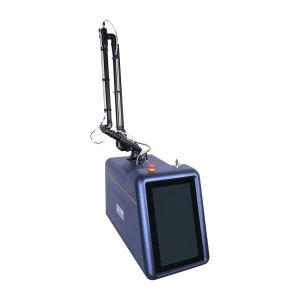
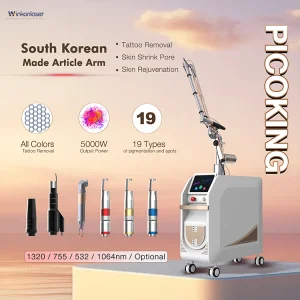
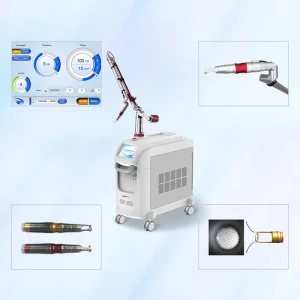
Bridging the gap between ultra-precision industrial manufacturing and selective photothermal aesthetics
In the landscape of modern laser system manufacturing, the paradigm has shifted drastically from continuous-wave and nanosecond thermal processing to ultrashort pulse (USP) laser processing. Over the last decade, picosecond laser systems—defined by pulse durations operating within the 1 to 999 picoseconds spectrum—have emerged as the definitive standard for industrial cold ablation and precise medical treatments. By leveraging temporal compression, these systems emit a radiant intensity so fast that energy transfers to the electrons before they can pass thermal vibrations onto the surrounding molecular lattices.
For industrial engineering, this minimizes the **Heat Affected Zone (HAZ)**, preventing micro-fractures, melting, and slag formation in fragile materials such as borosilicate, display substrates, and automotive laminates. Simultaneously, in clinical dermatology, this ultra-short duration initiates a purely photoacoustic mechanism instead of photothermal heating, shattering exogenous pigments and endogenous melanin into microscopic particles easily cleared by systemic phagocytosis, without burning the surrounding dermal layers.
How international business models, regional policies, and supply chain constraints shape procurement
Buyers in the United States and Canada prioritize machines with clearance from federal agencies (FDA 510k) and full OSHA electrical safety compliances. Precision parameters, structural integrity, and local servicing agreements take precedence over base pricing.
European clients mandate compliance with Machinery Directive 2006/42/EC and RoHS standards. Environmental sustainability, power efficiency, and long-term diagnostic monitoring interfaces are key metrics in high-volume production bids.
Driven by semiconductor foundries, 3C electronics display manufacturing, and mass skincare networks, APAC clients require high throughput, multi-wavelength configuration, and robust mechanical structures capable of 24/7 continuous operations.
A double-sided industry framework solving micro-fracturing and dermal hyperpigmentation
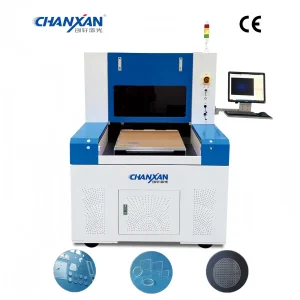
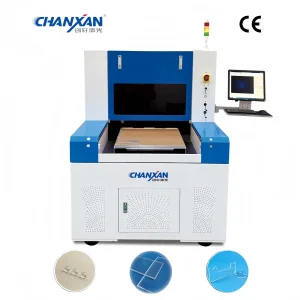
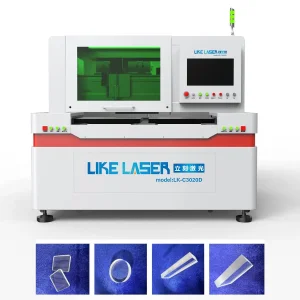
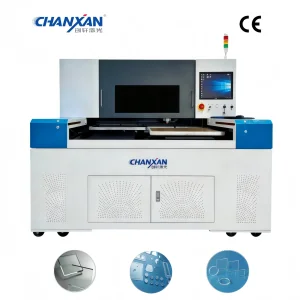
The application of picosecond pulses stretches across two massive, seemingly disparate global industries: highly sensitive material processing and high-end aesthetic therapies. In the industrial sector, the processing of display glass, float glass, and borosilicate substrates has hit a technological ceiling with conventional diamond scribing or CO2 thermal cutting. By deploying an integrated infrared picosecond laser cutting machine, factories achieve zero-taper edge cuts with post-cut bending strengths far exceeding those achieved through thermal technologies.
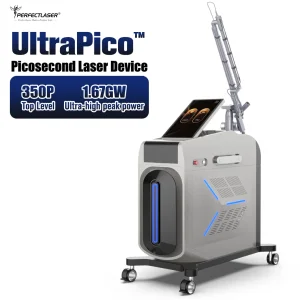
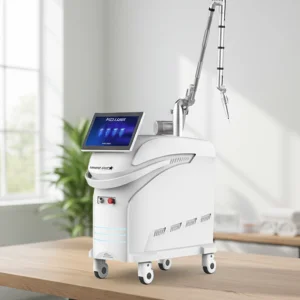
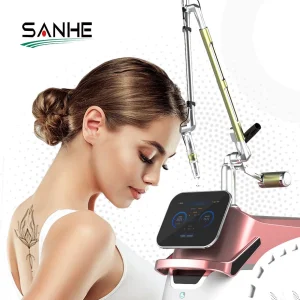
Meanwhile, in aesthetic medicine, the paradigm relies on the optoacoustic shockwave. With peak powers climbing to 3000W and pulse widths dropping below 350ps, the laser transforms pigment deposits into microscopic dust within milliseconds. The clinical utility of Q-switched Nd:YAG 1064nm and 532nm wavelengths allows practitioners to address multi-color tattoos, melasma, and fine scars with minimal downtime and an extremely low risk of post-inflammatory hyperpigmentation (PIH).
| Application Vector | Key Challenge Addressed | Ideal Picosecond Config | Outcome Metric |
|---|---|---|---|
| Automotive Glass Cutting | Edge chipping and thermal micro-cracks in laminated windows. | Hybrid CO2 & Picosecond Infrared System | Zero micro-fracturing, post-cut strength >120 MPa |
| Semiconductor & 3C Glass | Scribing thin brittle materials without deforming layers. | Ultra-Precise 355nm UV Picosecond System | Heat Affected Zone (HAZ) < 5 microns |
| Clinical Tattoo Removal | Stubborn green/blue inks causing scarring in standard lasers. | 7-Wavelength (including 532/1064nm) 350ps System | 95%+ ink clearance in 3-5 sessions, no scarring |
| Thin Metal Foils / PI Films | Warping and carbonization at cut lines. | High Repetition Rate Picosecond Green/IR | Clean cuts with no burrs or polymer meltback |
Comparing nanosecond, picosecond, and femtosecond dynamics in laser material interactions
To understand why picosecond lasers are highly sought after by modern procurement departments, one must evaluate the physical difference between nanosecond (Q-switched) and picosecond pulse durations. In a nanosecond pulse (typically 5 to 20ns), the interaction time is long enough for heat conduction to occur, heating a region significantly larger than the beam spot. This results in melting, vaporization, and subsequent micro-cracking due to rapid thermal expansion and contraction.
By dropping the pulse duration to the **picosecond scale**, the optical energy is absorbed by the electrons before they transfer energy to the lattice. The atomic bonds are instantly broken, causing the material to eject as a plasma plume—a process known as direct cold photo-ablation.
In 2025, modern technology advances toward **hybridization**: systems that combine the raw thermal energy of CO2 lasers with the precise cutting action of picosecond systems. This dual-wavelength integration provides the ultimate recipe for high-speed industrial glass processing, where the picosecond beam creates the clean guided crack and the CO2 laser provides the controlled thermal stress field to separate the pane cleanly, at speeds exceeding 500 mm/s.
Strict quality assurance and production stages behind our advanced aesthetic and industrial systems
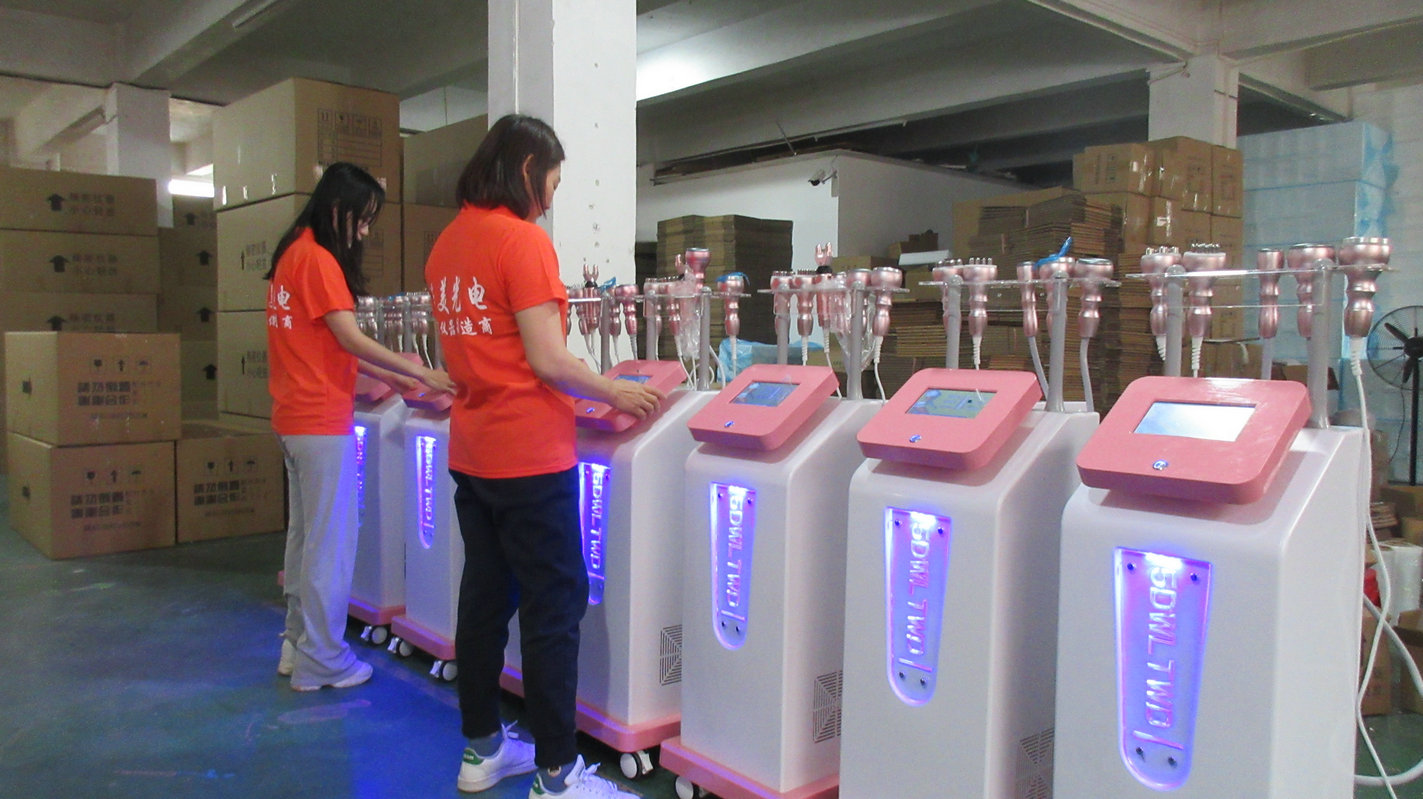
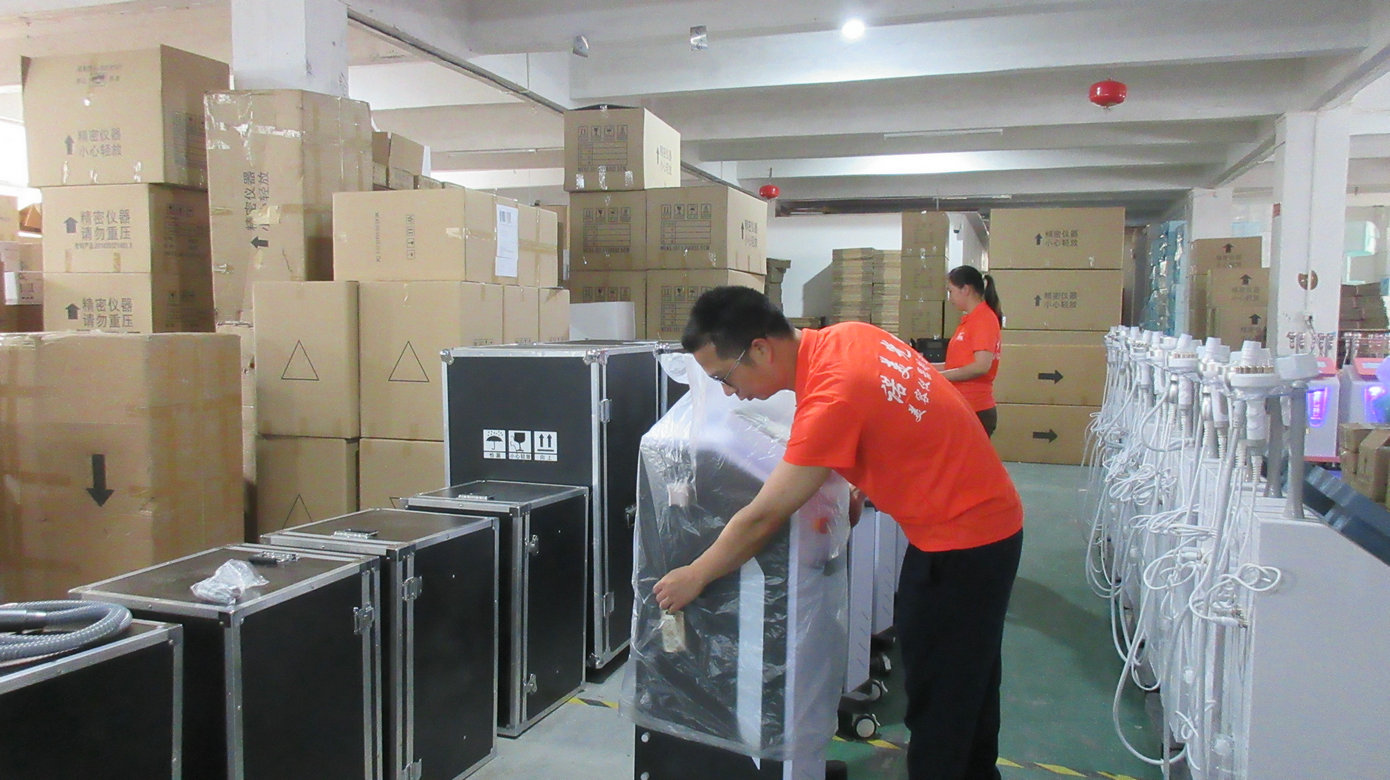
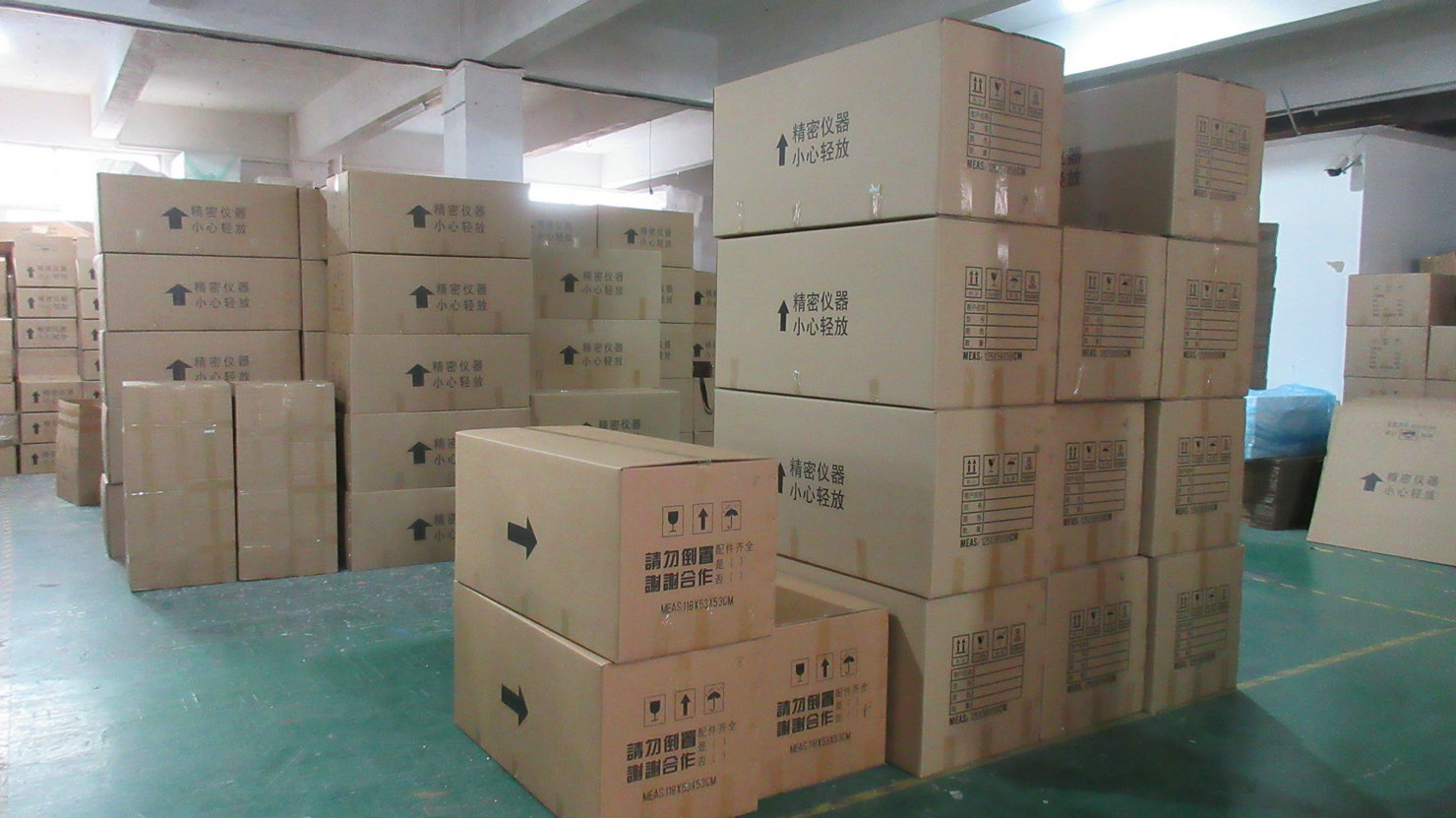
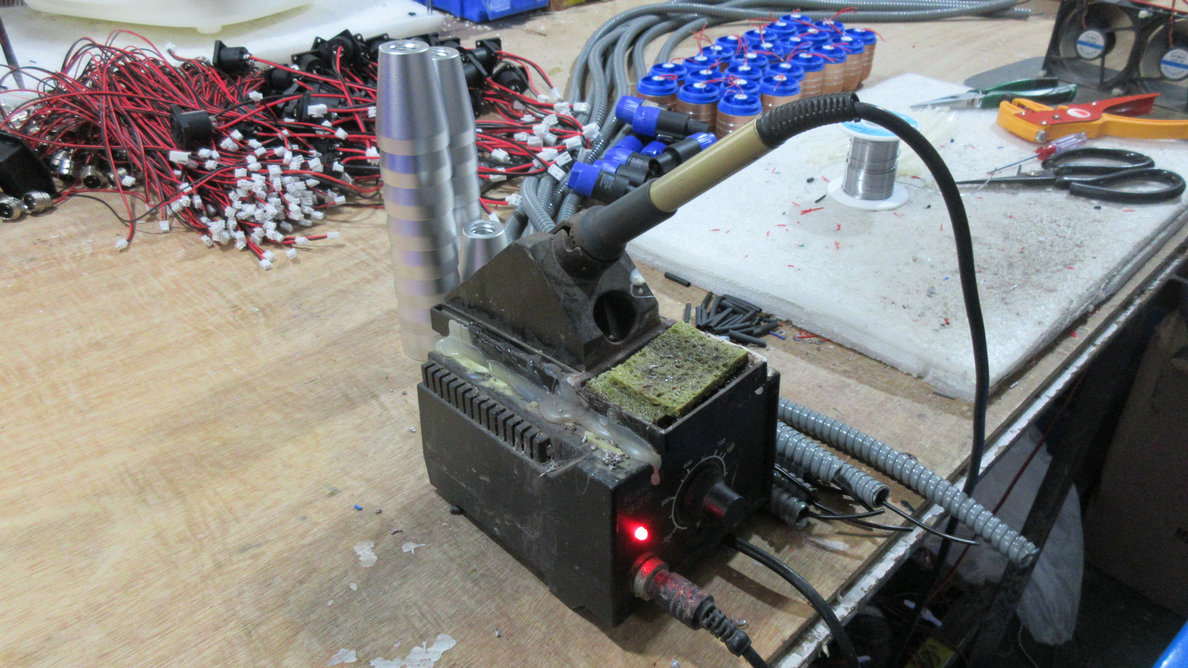
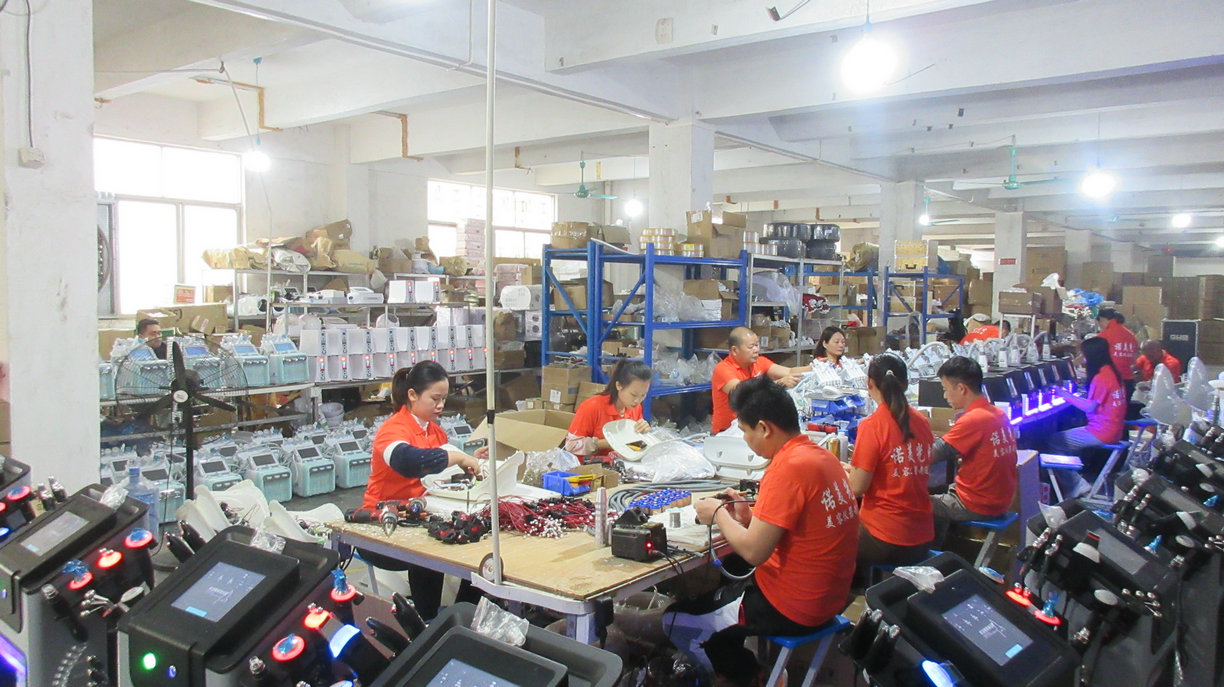
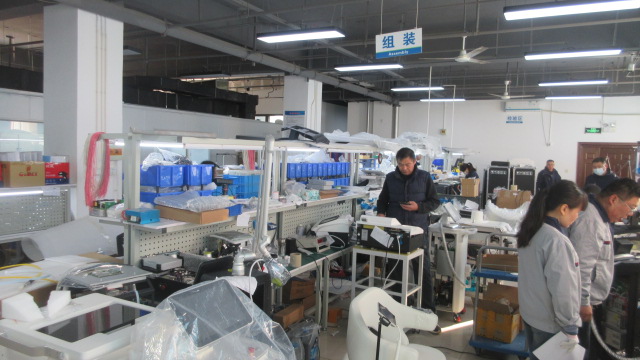
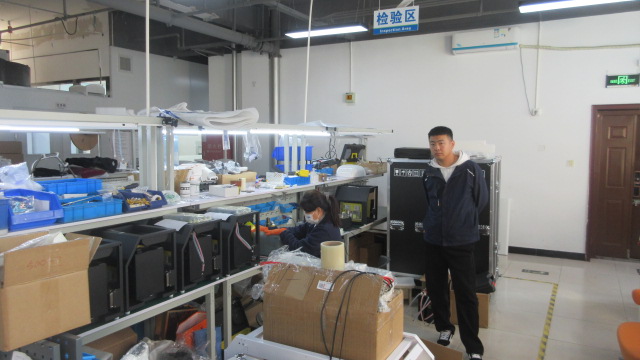
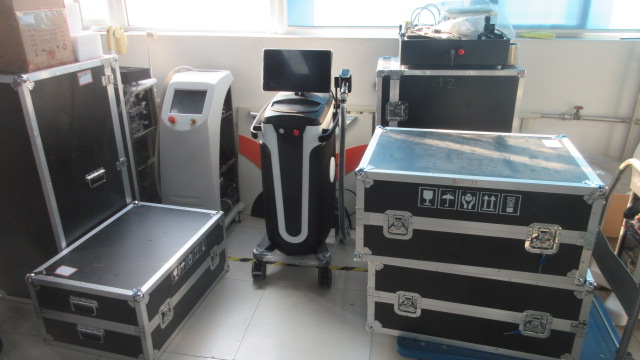
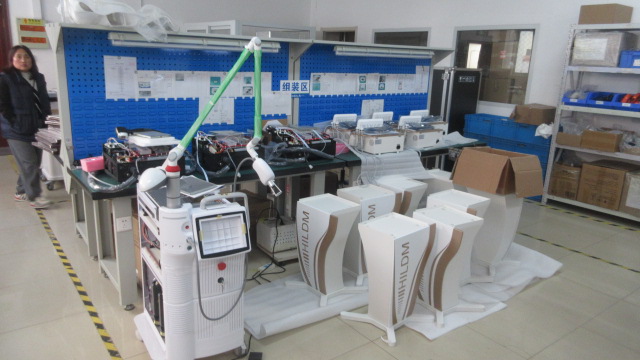
Guangdong Lyens Beauty Co., Ltd. stands as a professional manufacturer and supplier specializing in beauty equipment and high-end salon solutions, as well as high-precision laser sub-assemblies. With advanced production facilities, a highly skilled R&D team, and rigorous quality control protocols, we deliver innovative, reliable, and high-performance laser machinery to clients worldwide.
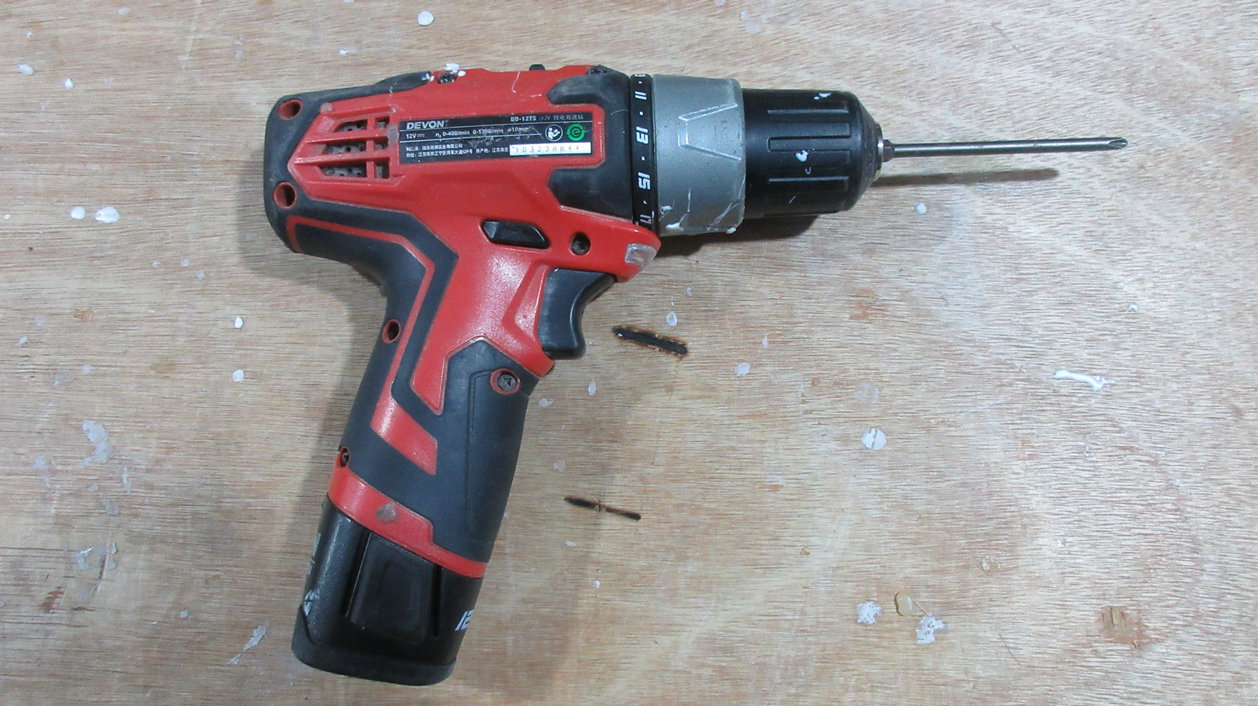
Our operations integrate research and development, industrial design, power management production, system assembly, testing, and comprehensive after-sales service. With expert teams coordinating our mechanical engineering, high-voltage power output assembly, and customer services, we ensure every machine delivered to the field meets absolute performance stability. We also offer robust **OEM/ODM configurations**, designing personalized chassis shells, adapting interface languages, and calibrating laser optical paths to match specific market criteria.
Ensuring legal installation, long-term calibration stability, and international safety compliance
Procuring medical or industrial laser technology requires attention to regulatory compliance. In the medical market, systems must bear **TGA approval, FDA clearances, and CE medical markings (under MDD/MDR)**. In industrial glass cutting, machines must align with laser safety classifications (typically Class 1 enclosures or Class 4 system management protocols) to protect facility workers.
We provide full validation assistance, factory acceptance tests (FAT), and site acceptance testing (SAT) protocols. To keep parameters consistent across long runtimes, we integrate high-durability optical components and active cooling configurations. This prevents optical alignment drift, ensuring that your beam profile remains circular and your energy distribution stays balanced across thousands of operating hours.
How artificial intelligence, advanced wavelengths, and high repetition rates will drive efficiency
As we look towards the next decade, the picosecond laser industry is on the verge of several breakthroughs. The most significant shift lies in the integration of **intelligent closed-loop feedback systems**. By employing high-speed camera sensors and machine learning algorithms, the laser system can analyze surface alterations in real-time, automatically adjusting pulse energy, spot size, and repetition rates to match substrate variations.
Additionally, advances in fiber laser architectures are driving down costs while increasing peak powers. We anticipate the standard pulse width will migrate from the 350-500ps range down to the high femtosecond range (700-900fs) in commercial aesthetic devices, allowing for even cleaner micro-ablation. On the industrial side, multi-axis robotic gantries will continue to gain popularity, allowing complex, three-dimensional curved glass surfaces (like those on modern automotive HUDs) to be processed in a single pass.
Answering key questions about industrial processing speed, wavelengths, and post-purchase servicing
Explore our advanced manufacturing, semiconductor cutting, and specialized aesthetic solutions