Frequently Asked Questions
What types of glass can the laser cutting machine process?
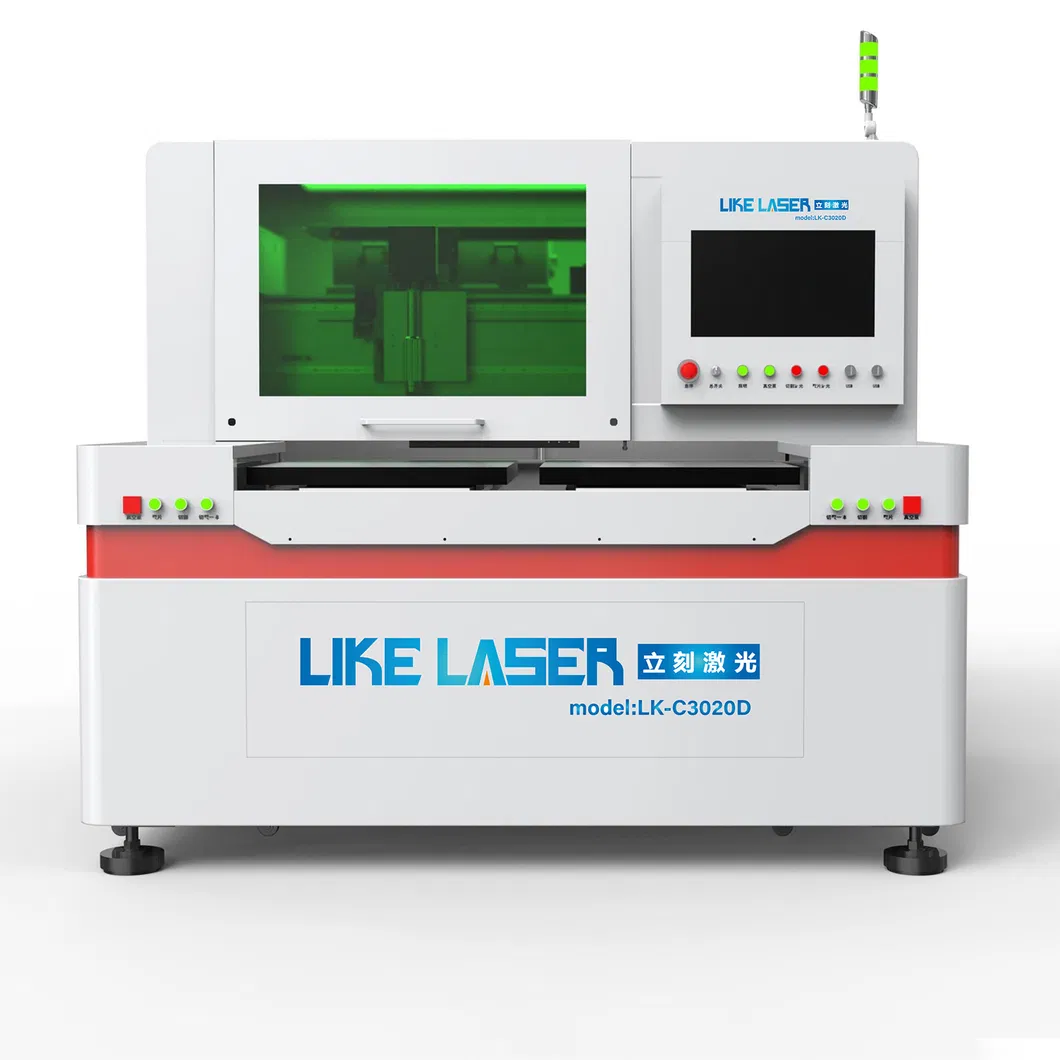
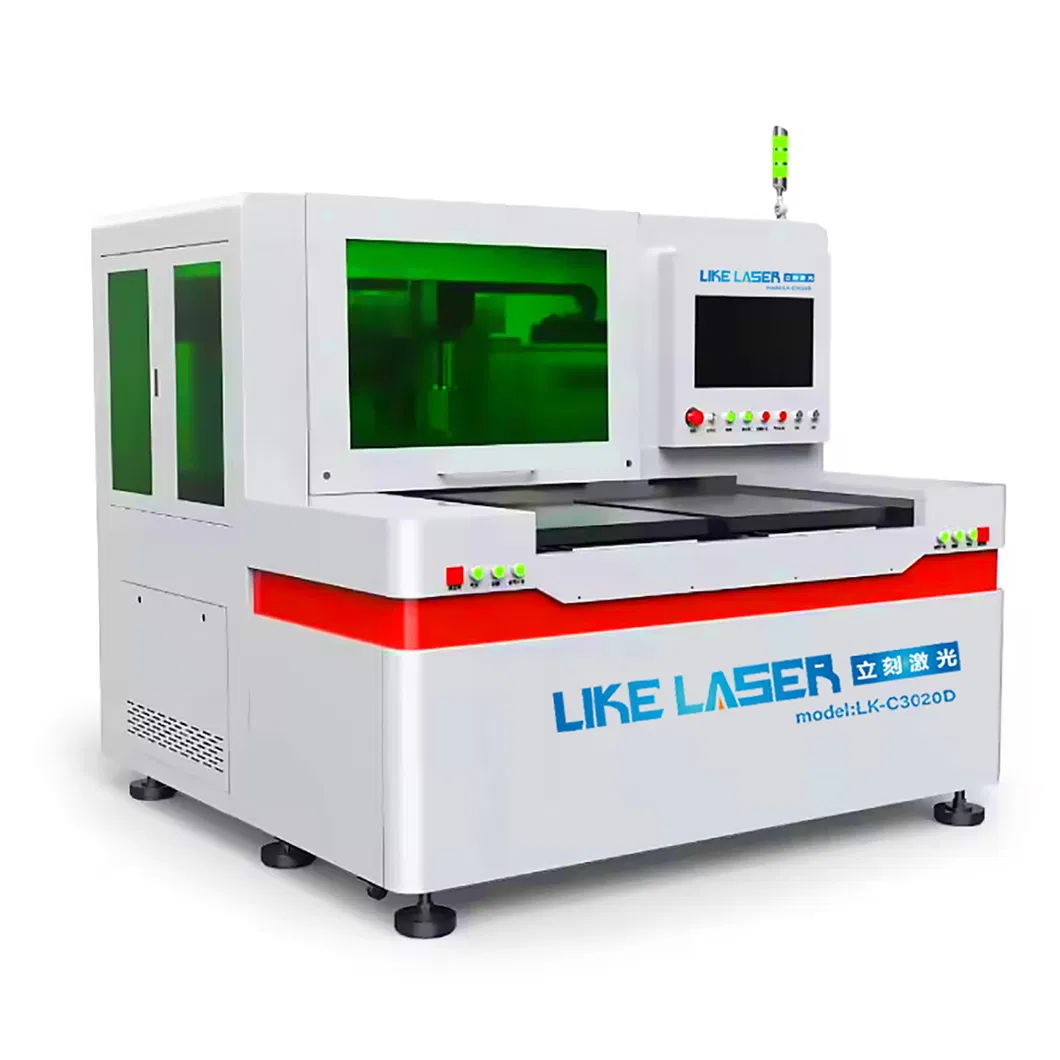
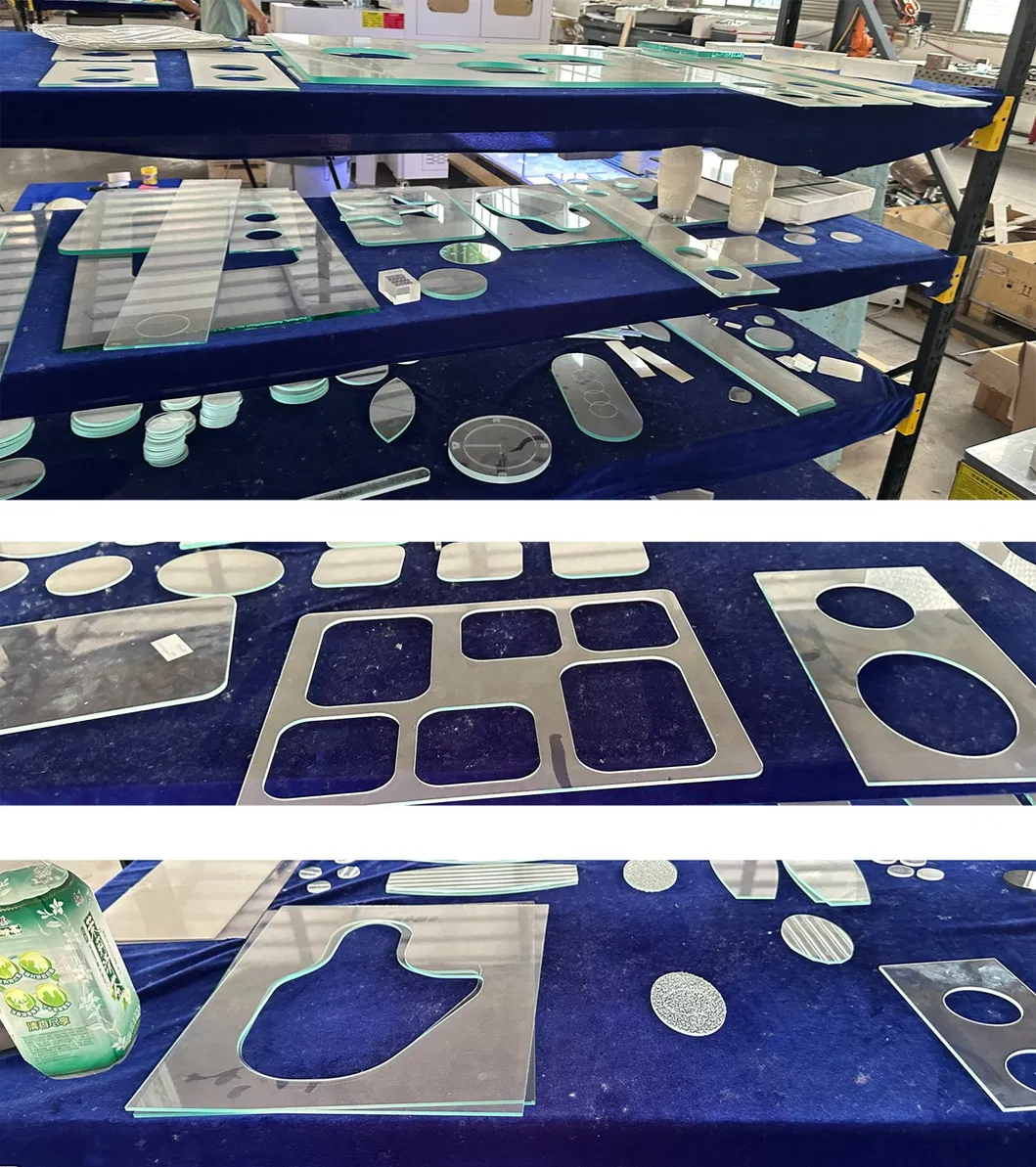
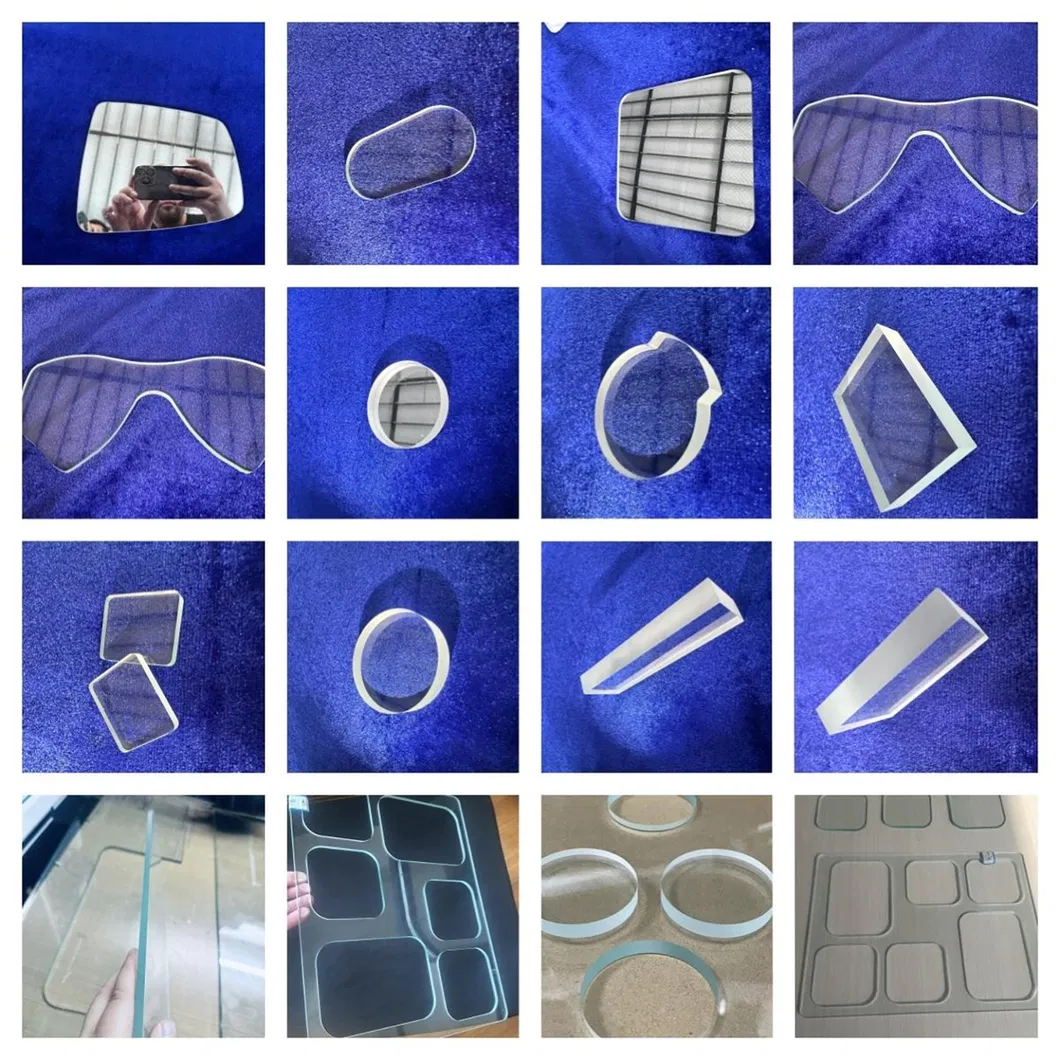
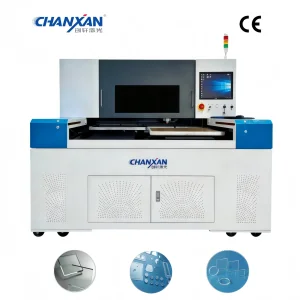
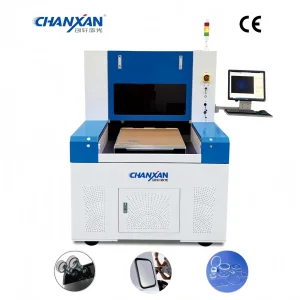
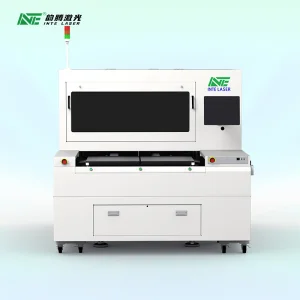
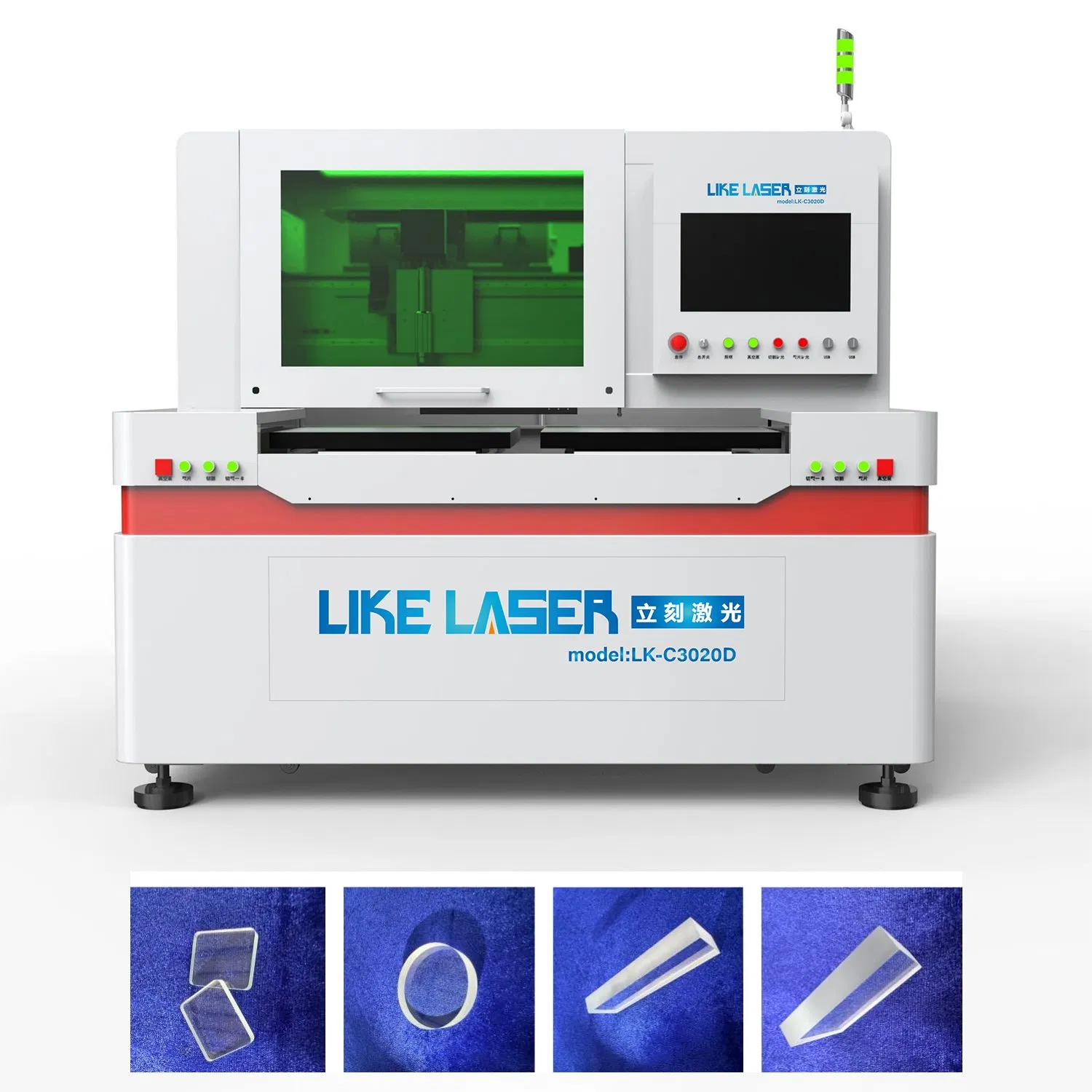
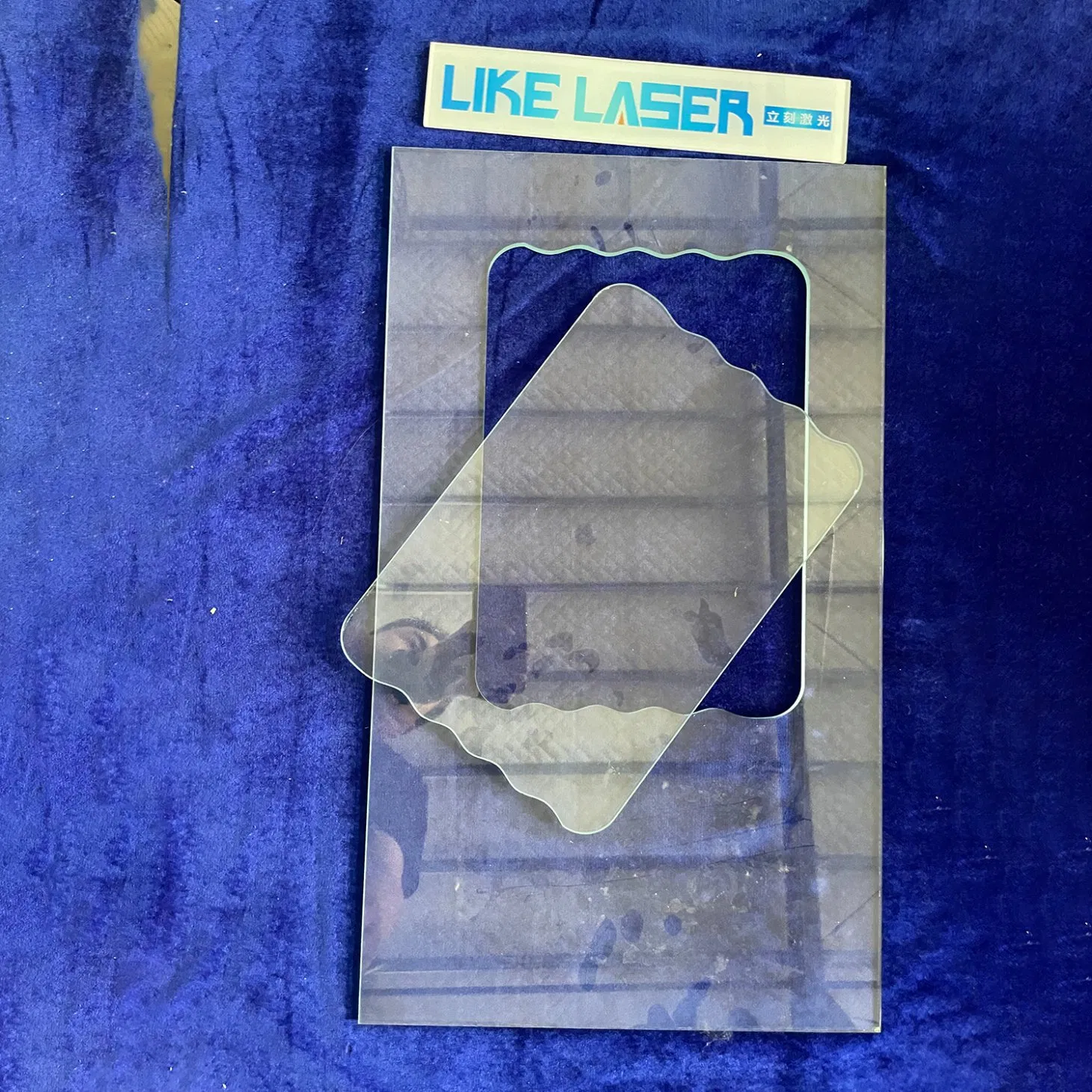
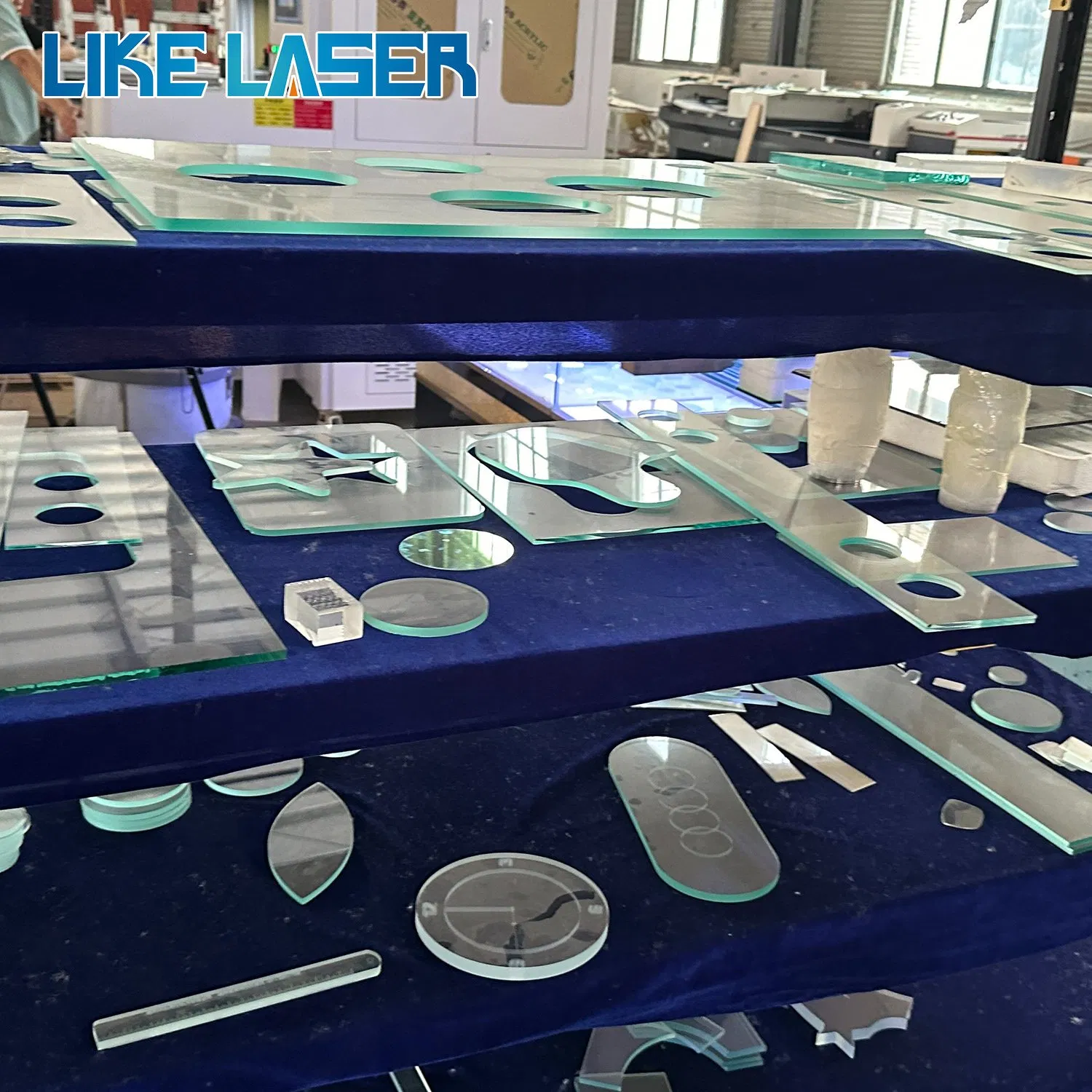
The machine processes both reinforced and non-reinforced glass. This includes mobile phone covers, car display glass, camera covers, sapphire glass (LED light strips/watches), LCD screens (with inverted R/U/C angles), optical glass, and ordinary glass like high borosilicate, quartz, white glass, and bathroom mirrors.
What is the maximum glass thickness and minimum aperture accuracy?
The machine supports a maximum glass thickness of up to 20mm and can achieve an ultra-fine minimum aperture cut of just 0.3mm.
Why is picosecond laser cutting superior to traditional CNC or water-knife systems?
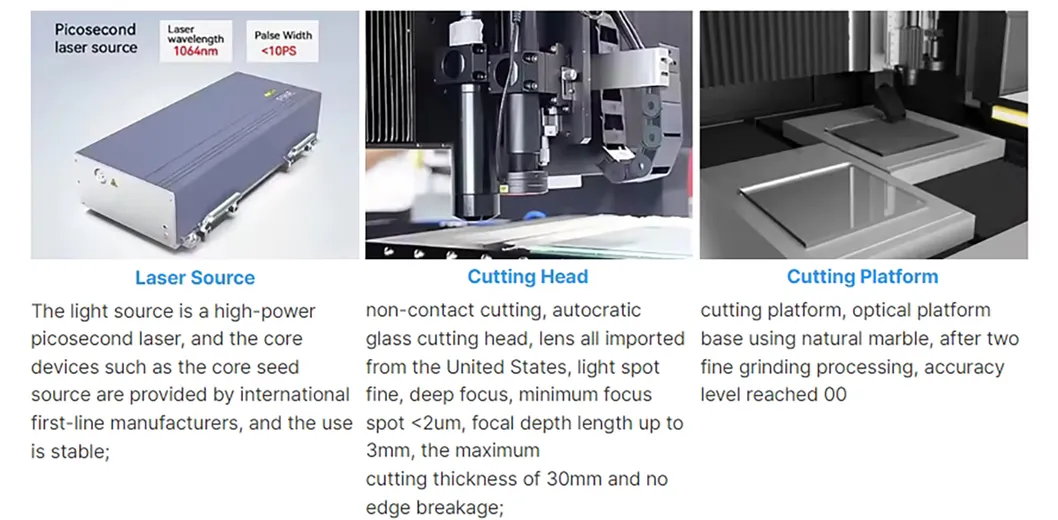
Picosecond laser cutting is a non-contact method that achieves a high precision of ±2 microns. It completely avoids typical mechanical drawbacks such as tool wear, edge collapse, high scrap rates, slow speeds, and the environmental pollution associated with traditional CNC systems.
What light sources are integrated into the machine?
The system utilizes a dual-light source configuration: a Picosecond Pulse Laser (with seed sources from globally recognized brands like German Nlight at 1064nm wavelength) and a CO2 segmented light source, both optimized via industrial water cooling.
How is processing accuracy monitored and controlled during operation?
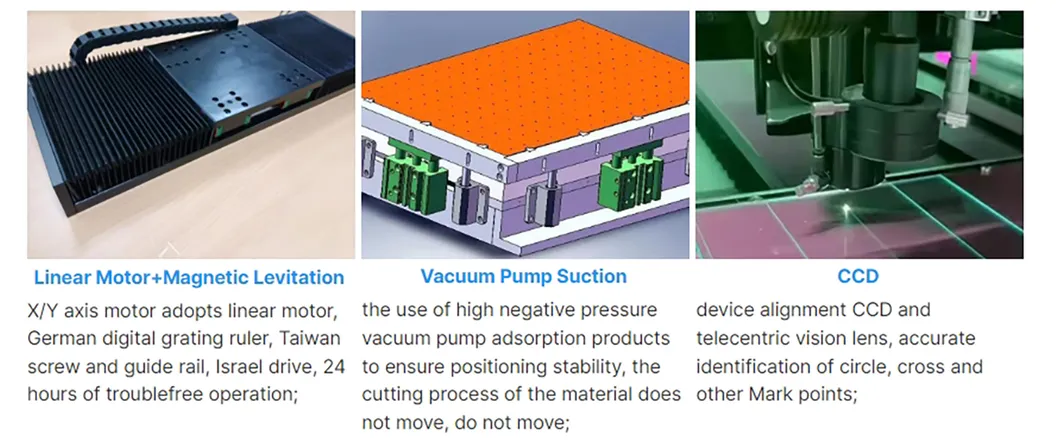
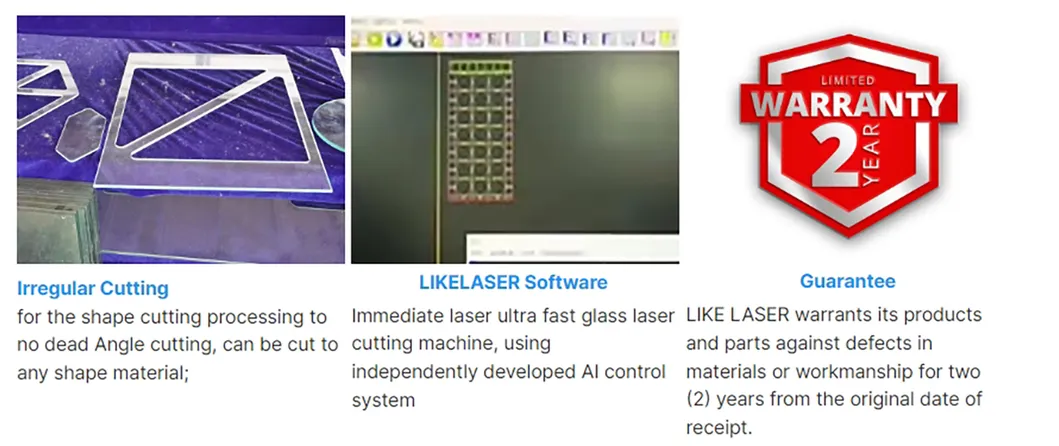
The machine is equipped with an advanced self-developed AI control system and a Visual Counterpoint System. This hardware set incorporates a 5 million pixel CCD camera and an adjustable brightness ring-type light source to ensure micro-level precision under all lighting conditions.
What packaging standard is used, and what is the typical delivery schedule?
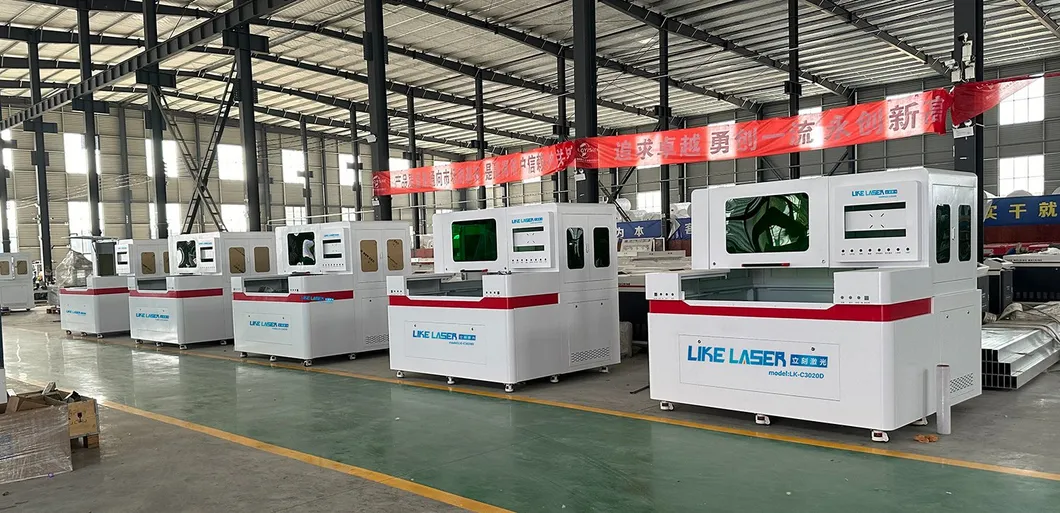
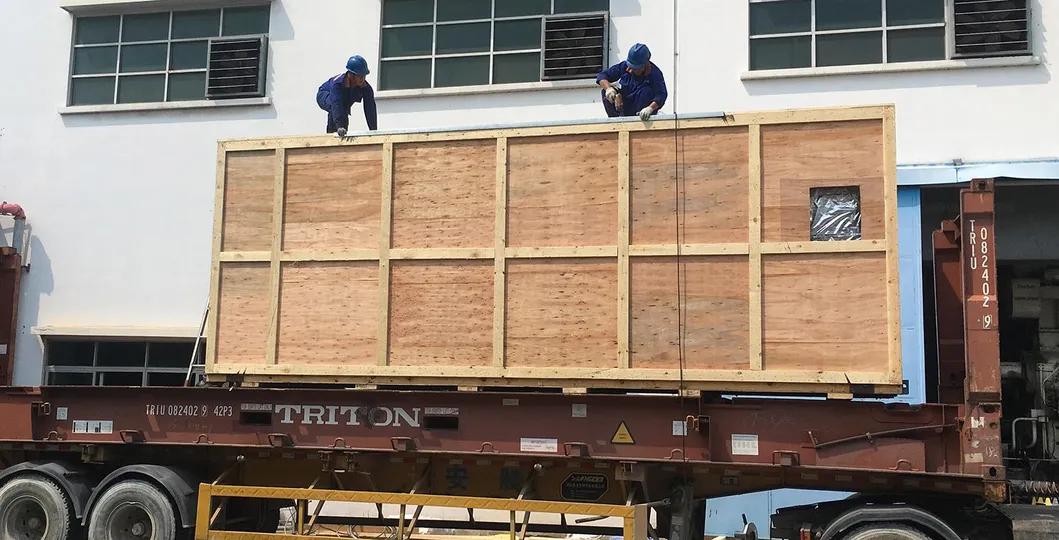
All machines are shipped using secure and durable Wooden Packing to protect delicate components. The standard lead time is 15 days for a single machine unit, whereas bulk shipments (more than 1 piece) can be custom negotiated.
 Lyens Beauty