Lyens Beauty
Lyens Beauty
Lyens Beauty
Premium industrial cutting setups and clinical aesthetic lasers calibrated specifically to operate under southern African climatic conditions.
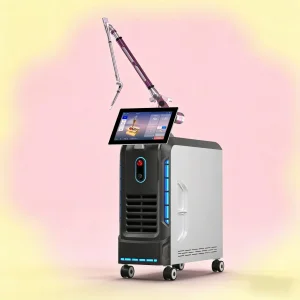
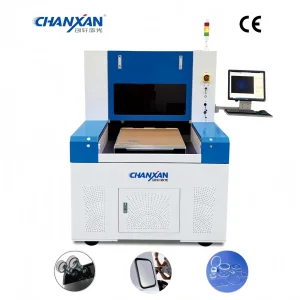
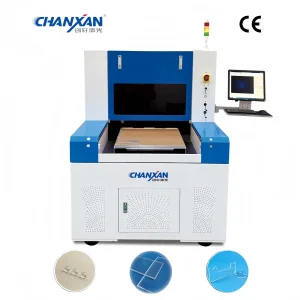
Namibia is undergoing a fast-tracked phase of technological adoption, driven by regional infrastructure developments, investments in mining, urbanization, and a swelling middle-class demographic in hubs like Windhoek, Swakopmund, and Walvis Bay. As businesses modernize, there is a distinct surge in two key domains: high-end dermatological and aesthetic healthcare treatments, and localized high-precision engineering for industrial glass and fabrication.
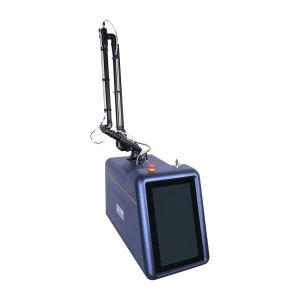
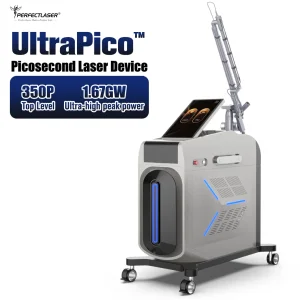
In the aesthetic sector, Namibian private medical centers and skincare clinics are upgrading from legacy nanosecond (Q-Switched) systems to advanced picosecond technology. Picosecond pulses generate a photomechanical effect rather than relying on photothermal energy. This structural change prevents hyperpigmentation—a critical risk factor when treating darker skin types (Fitzpatrick scale IV through VI) common across Southern Africa. Local medical practitioners are reporting a massive wave of patients seeking tattoo removals, melasma correction, and acne scar revisions with minimized downtime.
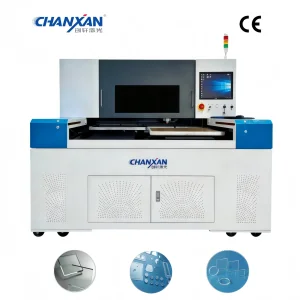
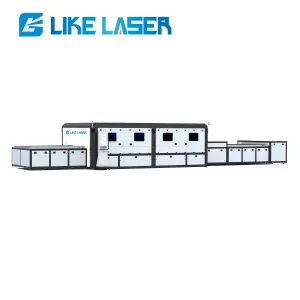
Simultaneously, Namibia's industrial fabric is incorporating high-precision manufacturing. With major trade routes expanding from the port of Walvis Bay, local fabricators are transitioning to automated processes. Precision cutting of optical glass, borosilicate components, and display layers requires laser systems that run cool, preventing thermal fracturing in Namibia's arid and warm climate.
A picosecond laser operates at pulse durations measured in trillionths of a second (10-12 seconds). Compared to traditional nanosecond lasers (10-9 seconds), the picosecond pulse delivers energy so rapidly that target particles—whether they are stubborn exogenous ink pigments in a skin tissue or crystalline lattices in glass substrate—experience immediate photoacoustic shock waves.
This process is known as optical breakdown. Instead of heating and burning the material or surrounding tissue (which creates a large heat-affected zone, or HAZ), the energy shatters the target substance into microscopic particles. In human biology, these microscopic particles are easily cleared by the lymphatic system. In material manufacturing, the ultra-short pulse enables micro-cracking and molecular ablation with clean edges, preventing thermal deformation of tempered glass and delicate semiconductor wafers.
Precise calibration down to 300-350ps for target fragmentation with zero thermal runoff to surrounding matrices.
1064nm and 532nm native options, optional 585nm, 650nm, and 755nm honeycomb lenses for versatile targeting.
Decreased treatment cycles for aesthetic clinics and minimal material wastage for industrial micro-machining factories.
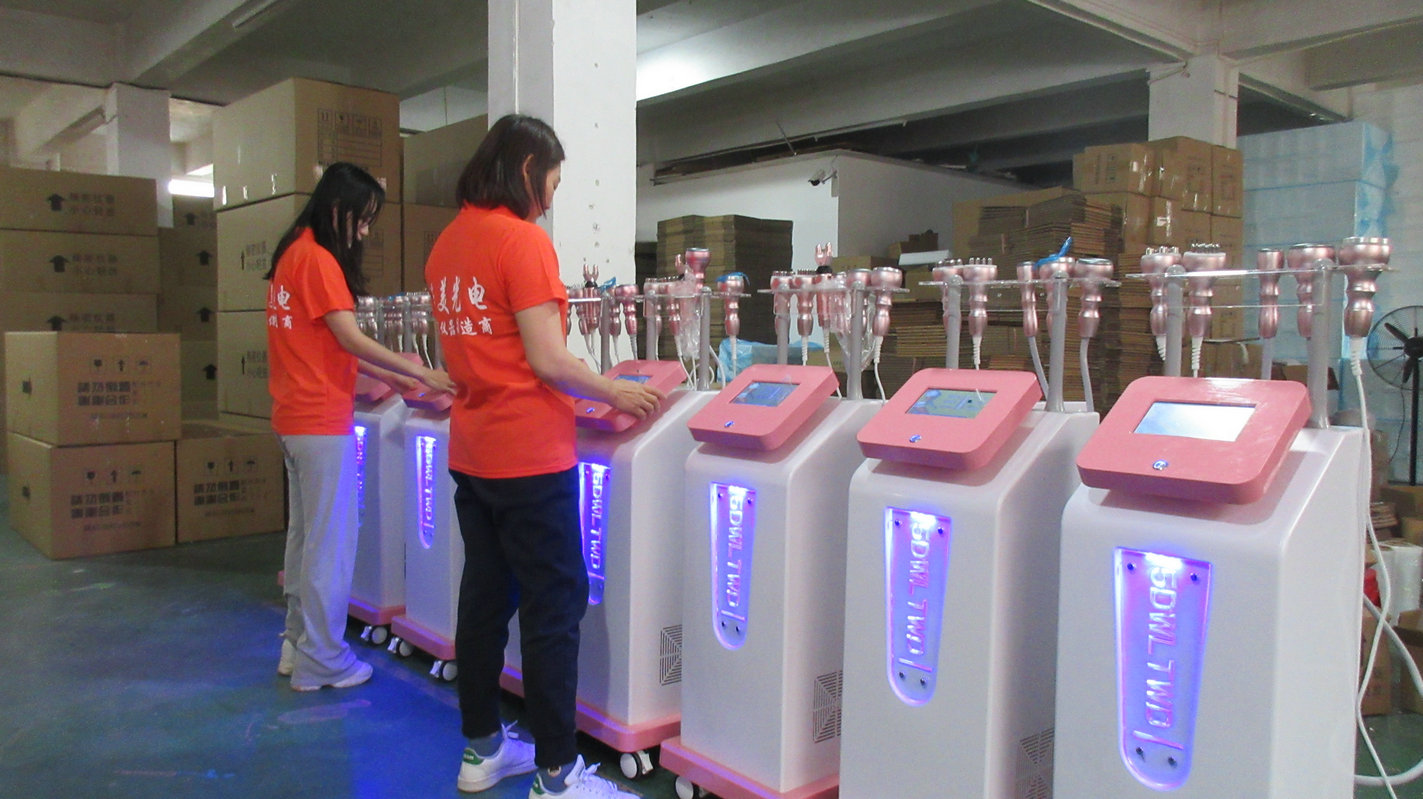
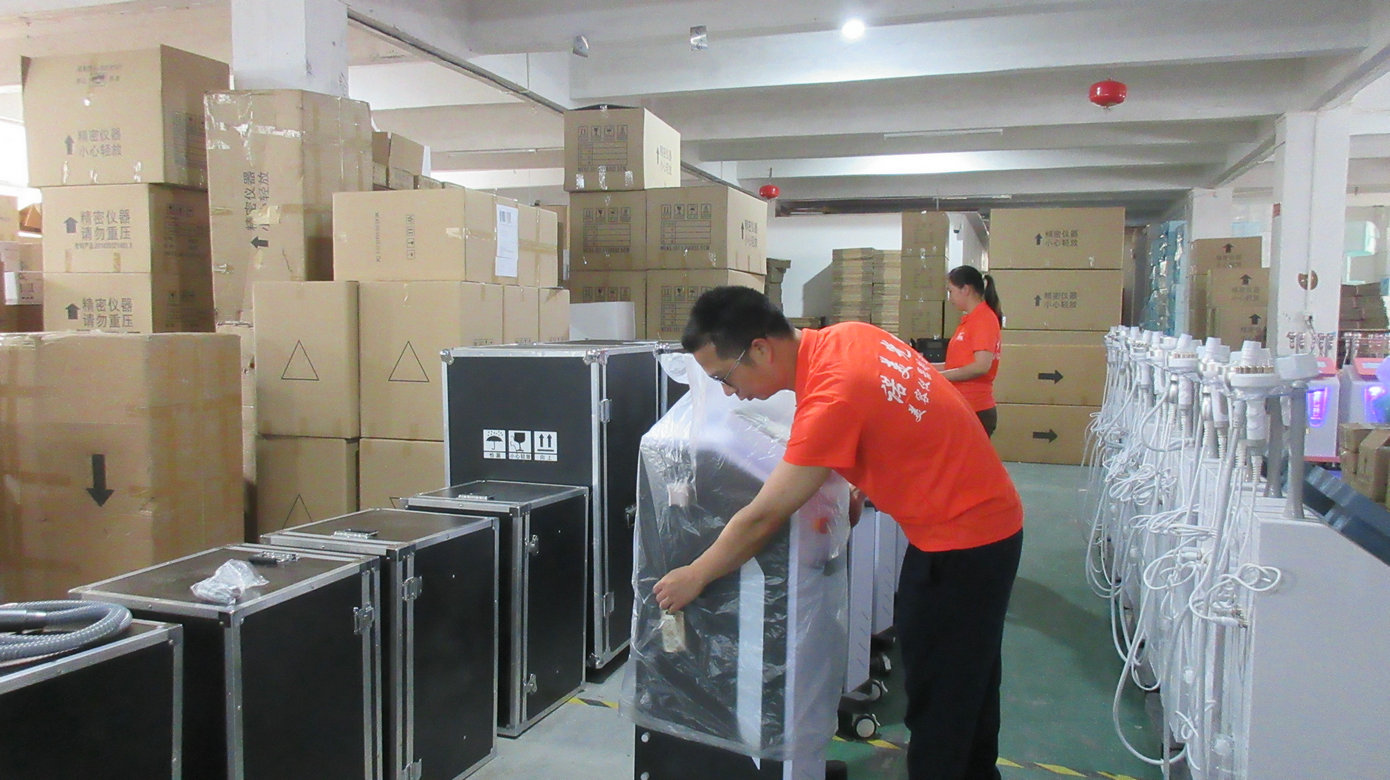
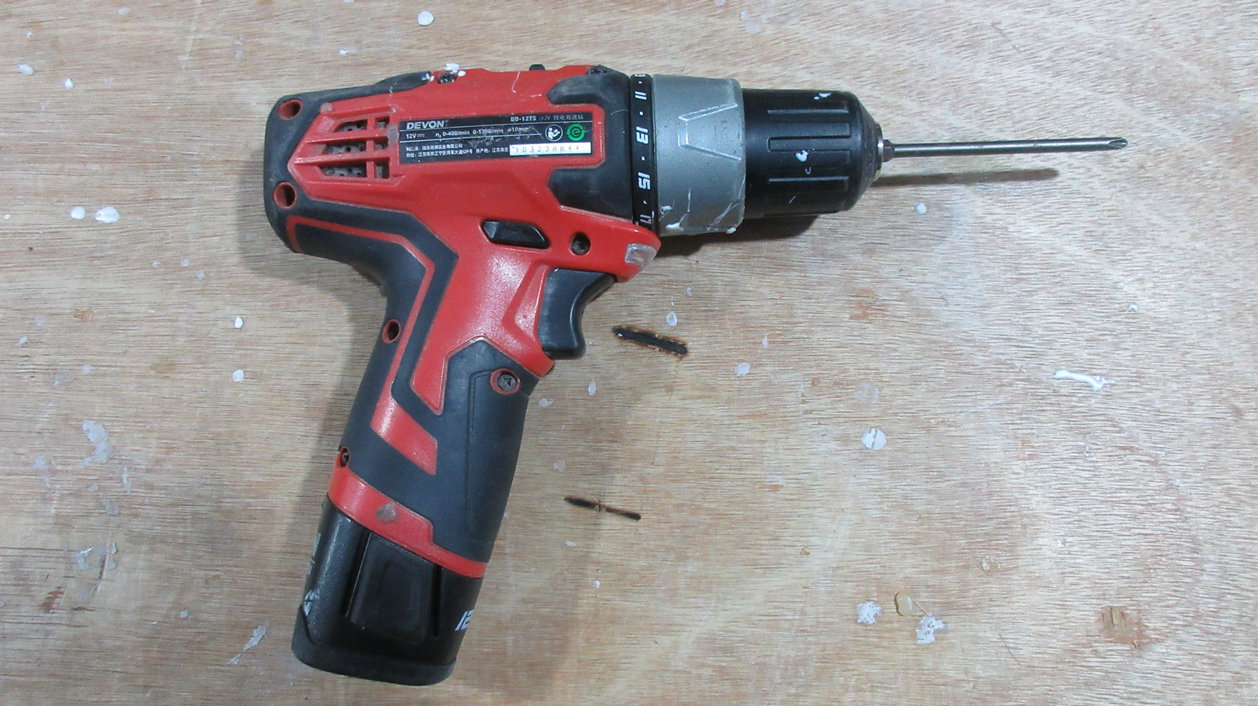
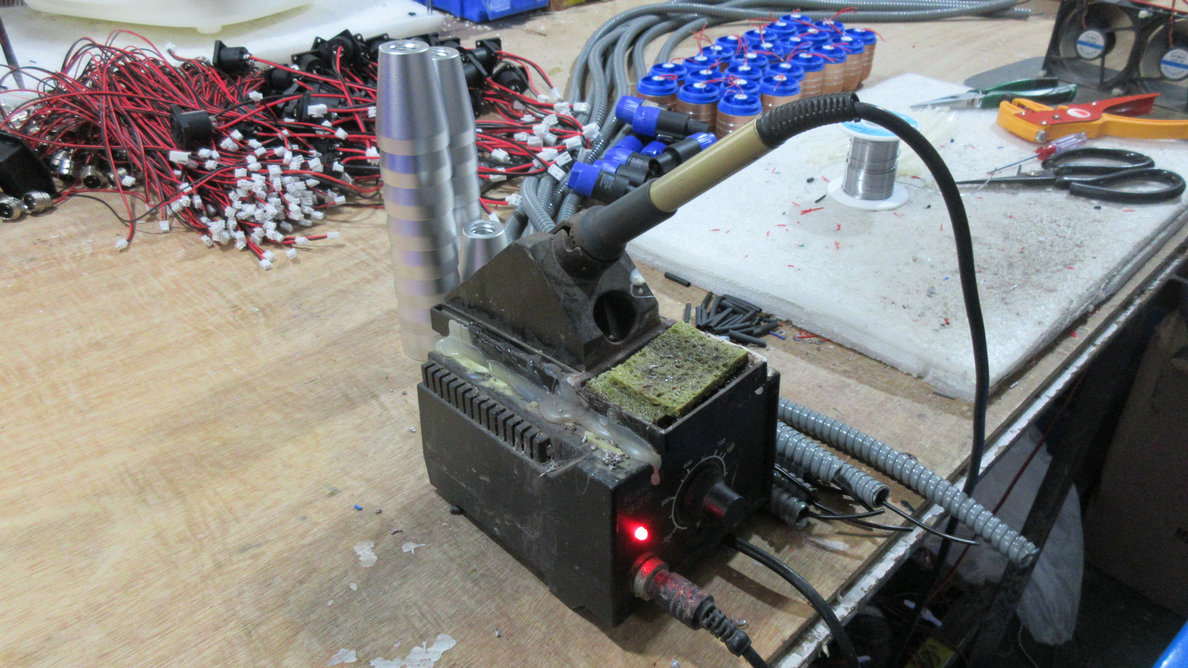
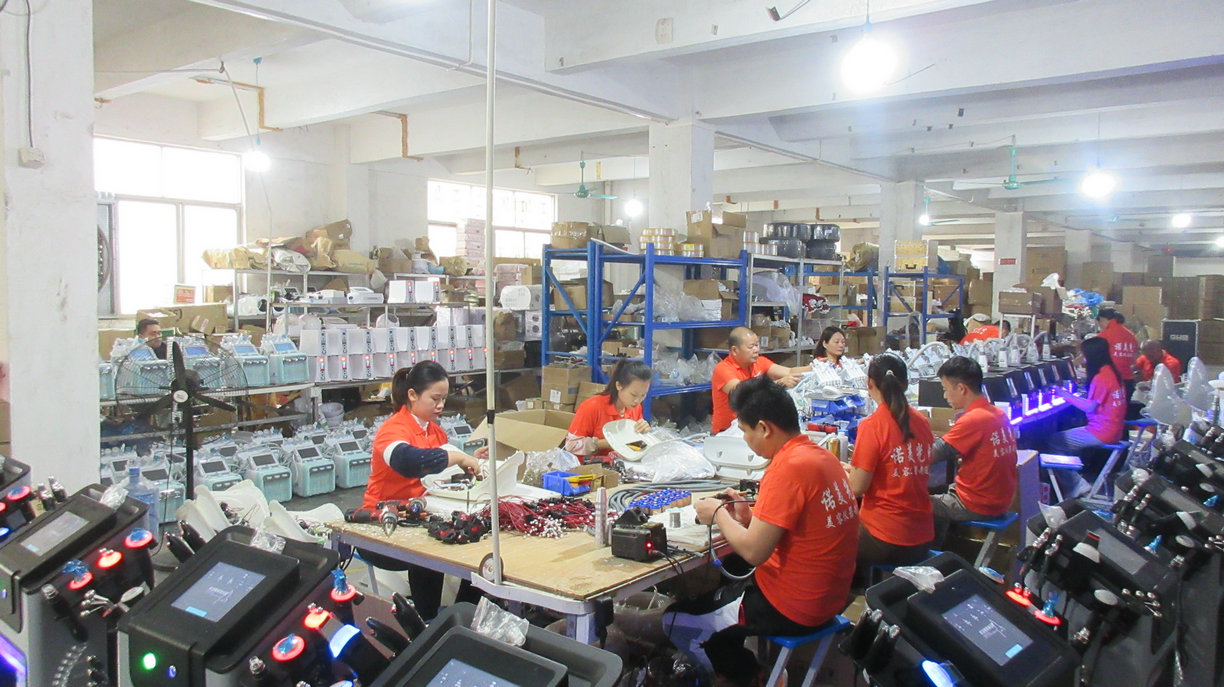
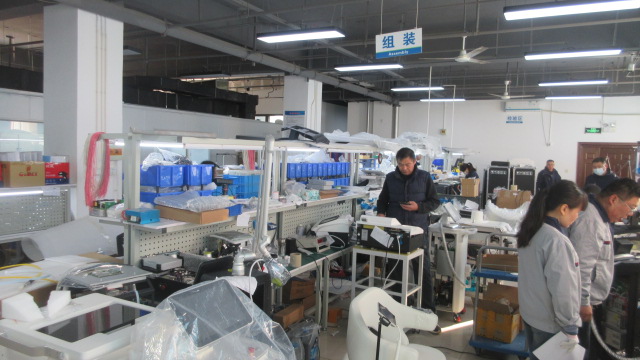
As a premier global developer, Guangdong Lyens Beauty Co., Ltd. spearheads the incorporation of Industry 4.0 standards into the development of high-energy optoelectronic devices. Our manufacturing ecosystem integrates research, mechanical design, circuit development, assembly line robotics, and thorough multi-stage aging tests to guarantee operational reliability.
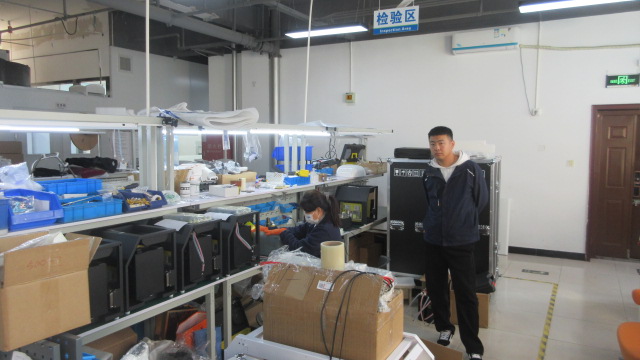
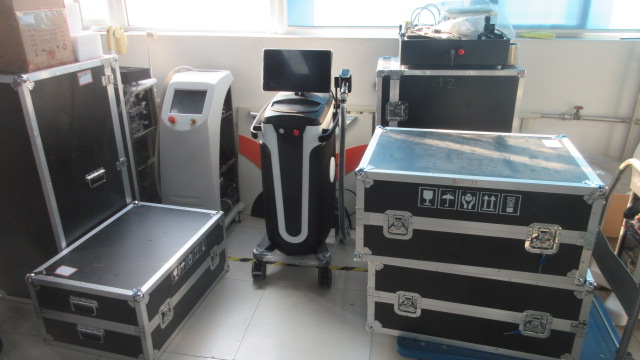
By utilizing a robust localized supply chain in Guangdong, we mitigate delivery risks for clients in Southern Africa. From sourcing premium optical crystals to integrating stable power units and high-frequency Nd:YAG cavities, our systems undergo rigorous Quality Assurance (QA). Every machine runs continuous simulated treatment loads for 72 hours under extreme temperatures to ensure the delicate articulated arm systems and cooling components do not degrade during transit or active clinical operation.
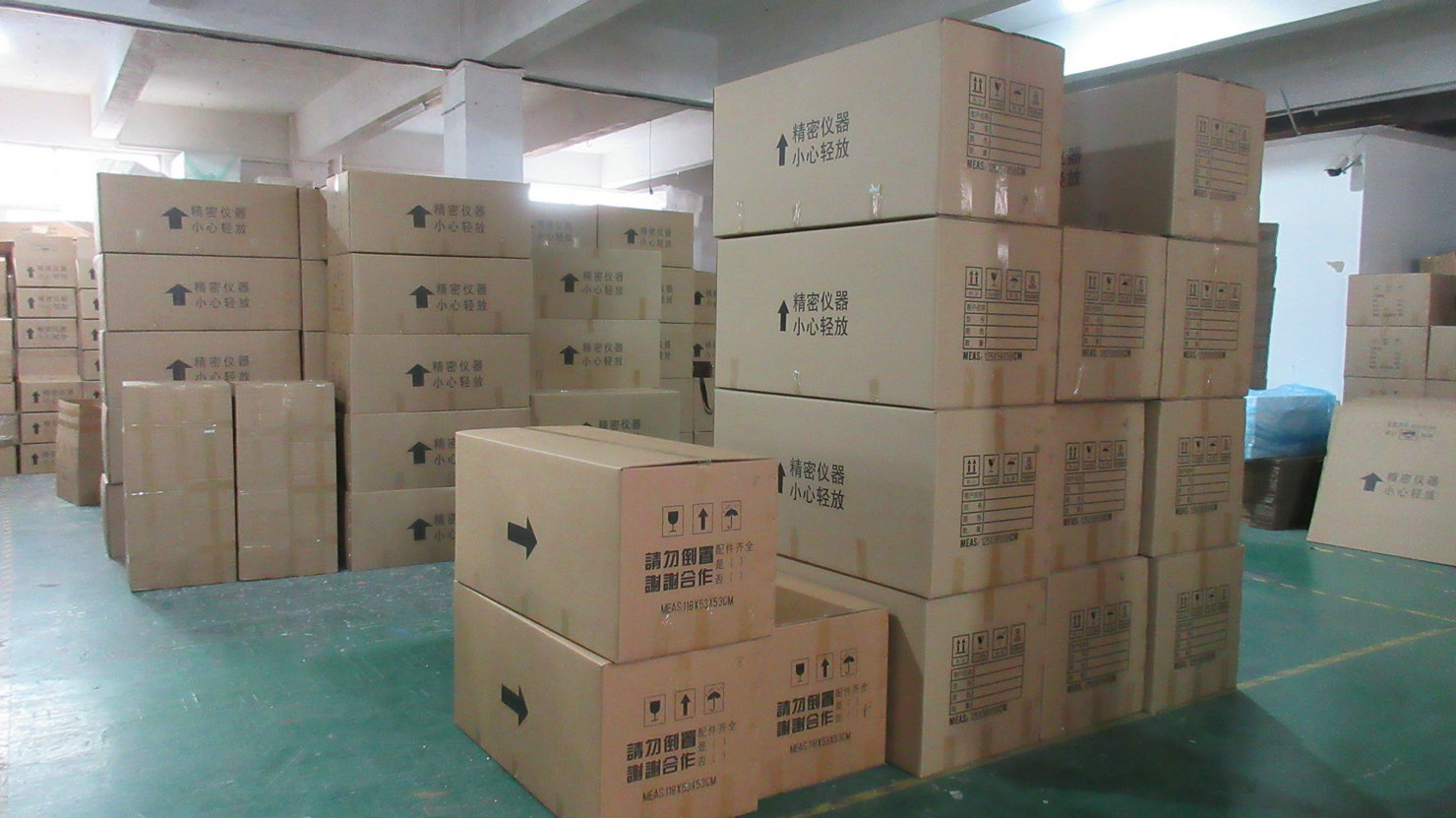
Navigating international custom corridors requires clean compliance structures. Guangdong Lyens Beauty Co., Ltd. coordinates shipping paths from Shenzhen and Guangzhou ports directly to the Port of Walvis Bay via reliable freight forwarding channels. We supply all required export documentation, including CE certifications, FDA-compliant diagnostic paperwork, and SADC-specific trade certificates to ensure hassle-free port clearance.
Recognizing the geographical distances in Southern Africa, we provide remote video installation support, comprehensive user manual documentation, and direct digital access to clinical training experts. This guarantees your operators, technicians, and dermatologists can confidently manage the energy parameters of our machinery from day one.
Get in touch with our engineering team today to receive localized customs guidance, pricing proposals, and custom branding options.
Send Inquiry NowA comprehensive selection of desktop, vertical high-power, multi-wavelength lasers, and ultra-precise industrial glass cutters.
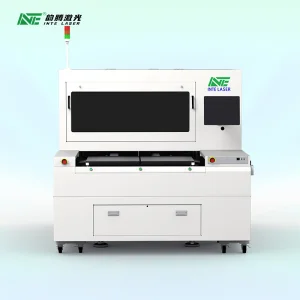
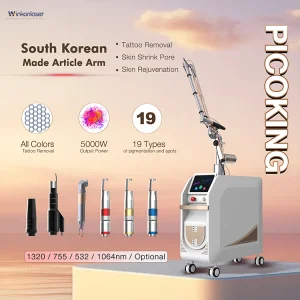
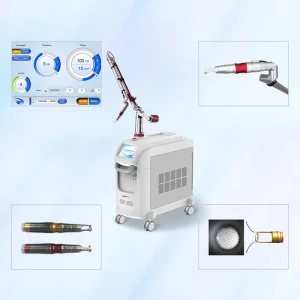
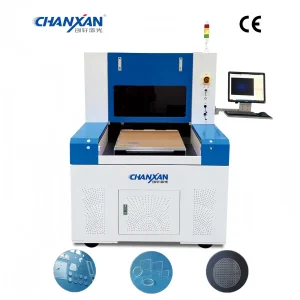

Guangdong Lyens Beauty Co., Ltd. goes beyond standard sales channels to offer fully customized solutions tailored to regional needs. For established cosmetic health brands in Windhoek or industrial engineering groups in Erongo, our engineering teams offer detailed OEM (Original Equipment Manufacturer) and ODM (Original Design Manufacturer) services. This involves custom-designed chassis casing options, proprietary UI language adjustments, logo printing, and specialized software parameter controls.
Direct answers regarding clinical operation, custom clearing, shipping logistics, and technological advantages.
As an internationally certified manufacturer and exporter, we are committed to helping clinic owners and industrial fabricators across Namibia access the latest in optoelectronic technology. Secure your supply chain and partner with a reliable supplier.
Submit Inquiry Now