Lyens Beauty
Lyens Beauty
Lyens Beauty
A rigorous industrial perspective on tattoo removal tech, procurement pipelines, and E-E-A-T standards.
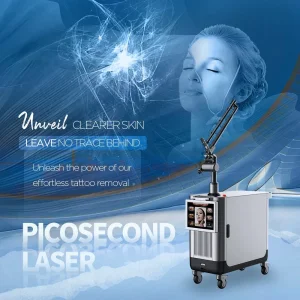
The global market for aesthetic lasers, particularly targeted tattoo removal systems, is witnessing a major evolution. According to modern clinical consensus and user intent mining across aesthetic groups, patient standards have migrated from simple pigment lightening to skin-integrity preservation. This change has triggered a paradigm shift for aesthetic clinics, distributors, and global OEM/ODM brand managers. Modern practices now demand medical-grade lasers that utilize rapid energy output (such as picosecond pulses) to completely shatter pigment without inducing post-inflammatory hyperpigmentation (PIH) or thermal scarring.
For distributors looking to source systems from leading manufacturers in China, identifying suppliers with a proven pedigree is essential. Our R&D focus at Guangdong Lyens Beauty Co., Ltd. centers on optoelectronic efficiency and mechanical reliability. By prioritizing raw technology over surface marketing, we ensure that every platform delivered translates to high clinic ROI, minimal customer downtime, and stellar clinical safety ratings.
Explore our core clinical platforms, developed with strict focus on safety, versatility, and structural durability.
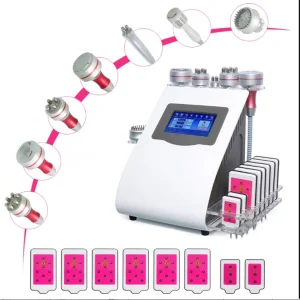
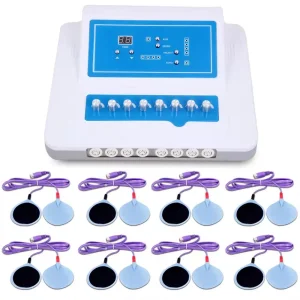
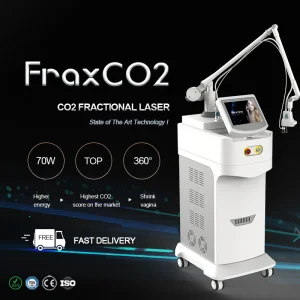
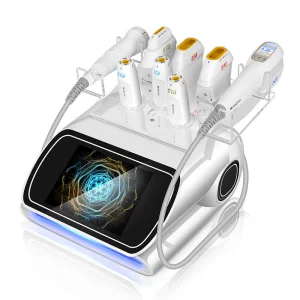
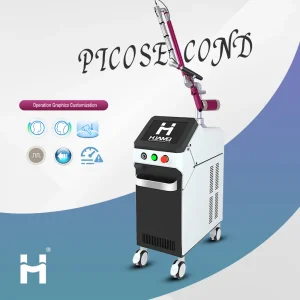
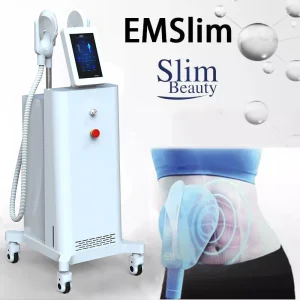
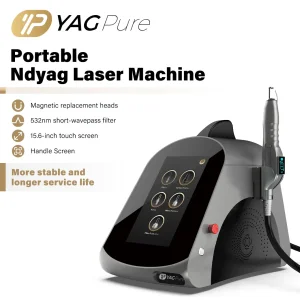
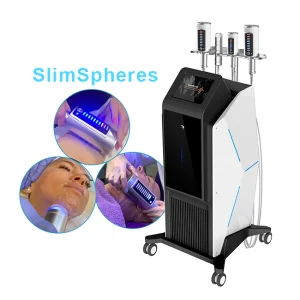
Traditional tattoo removal systems rely heavily on photothermal action. These platforms heat the target ink particles until they expand and break apart. However, this process carries a high risk of thermal dissipation into surrounding tissue, which can lead to blistering and permanent scarring.
Modern aesthetic centers utilize photoacoustic technology. By shortening the laser pulse width to picosecond speeds (less than 10-12 seconds), the peak energy is delivered faster than the thermal relaxation time (TRT) of the ink target. This concentrated energy creates a mechanical shockwave that shatters the ink into micro-particles. The lymphatic system then naturally clears these particles with minimal risk to surrounding skin.
At our manufacturing facility, we implement precise optoelectronic configurations. These designs maintain flat-top beam profiles, which prevent hot spots and ensure uniform energy distribution across the target spot size.
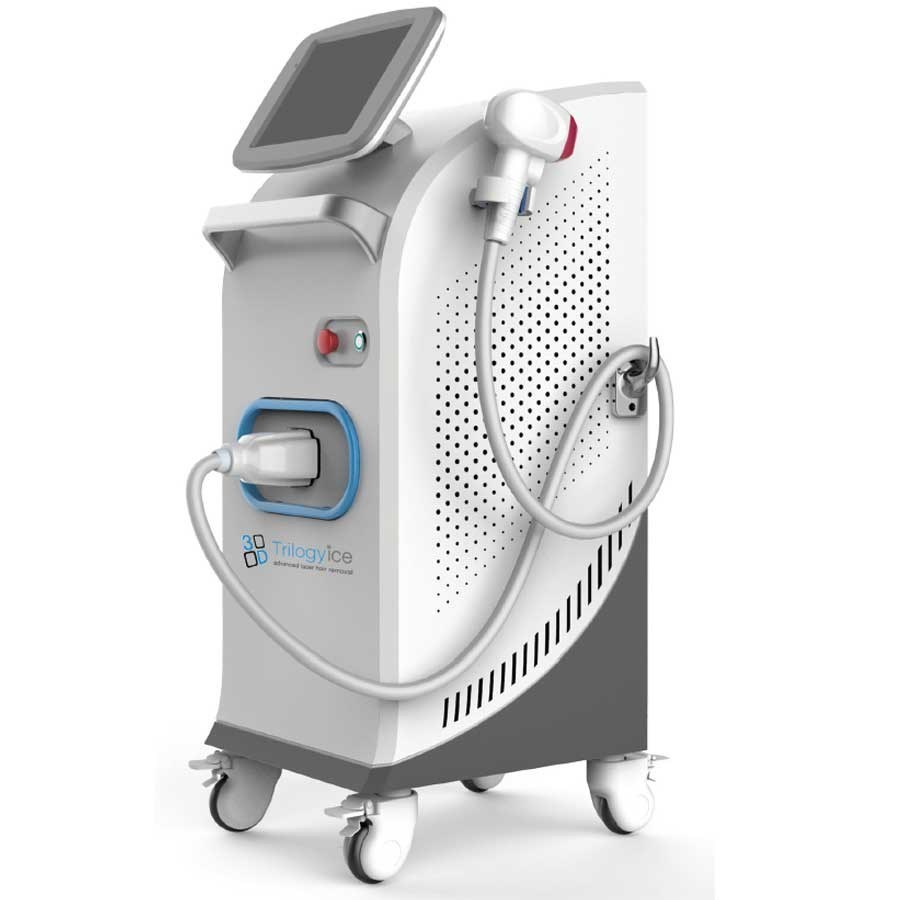
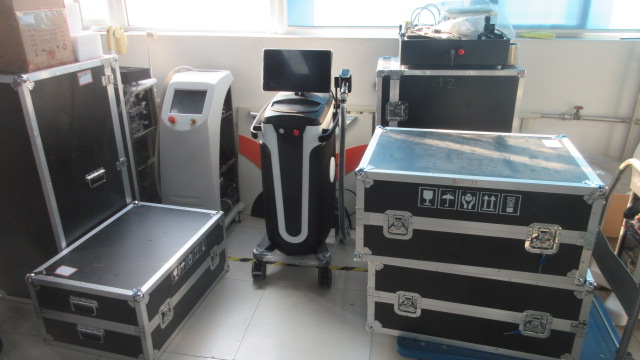
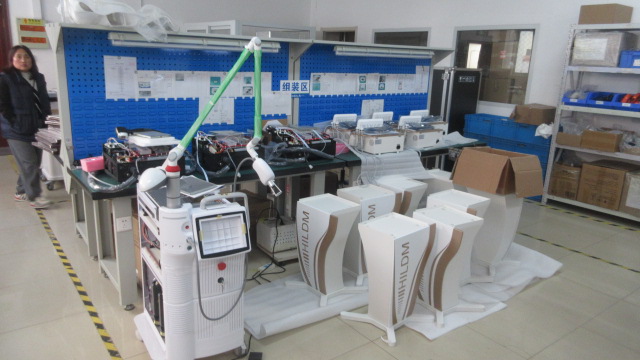
Take a closer look at our rigorous manufacturing processes, from micro-soldering component checks to high-stress laser safety audits.
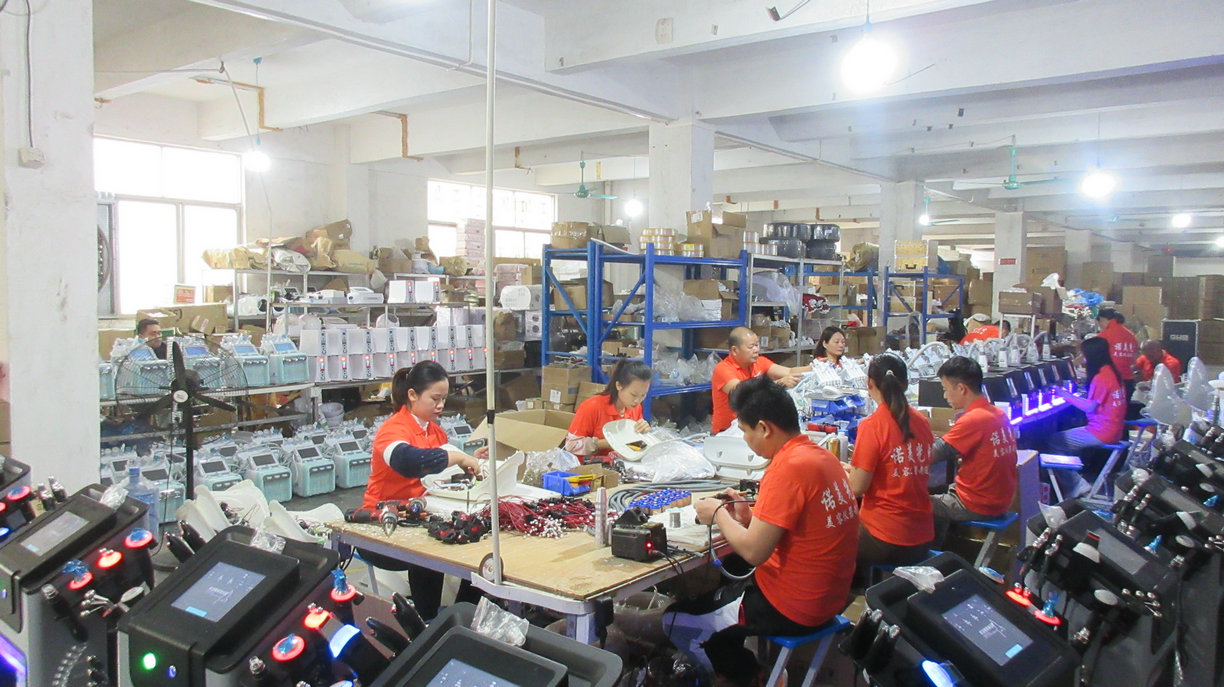
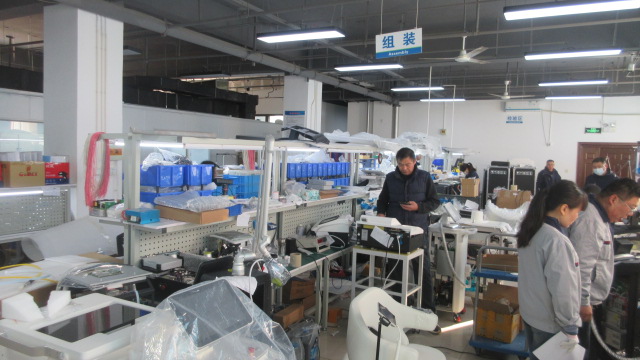
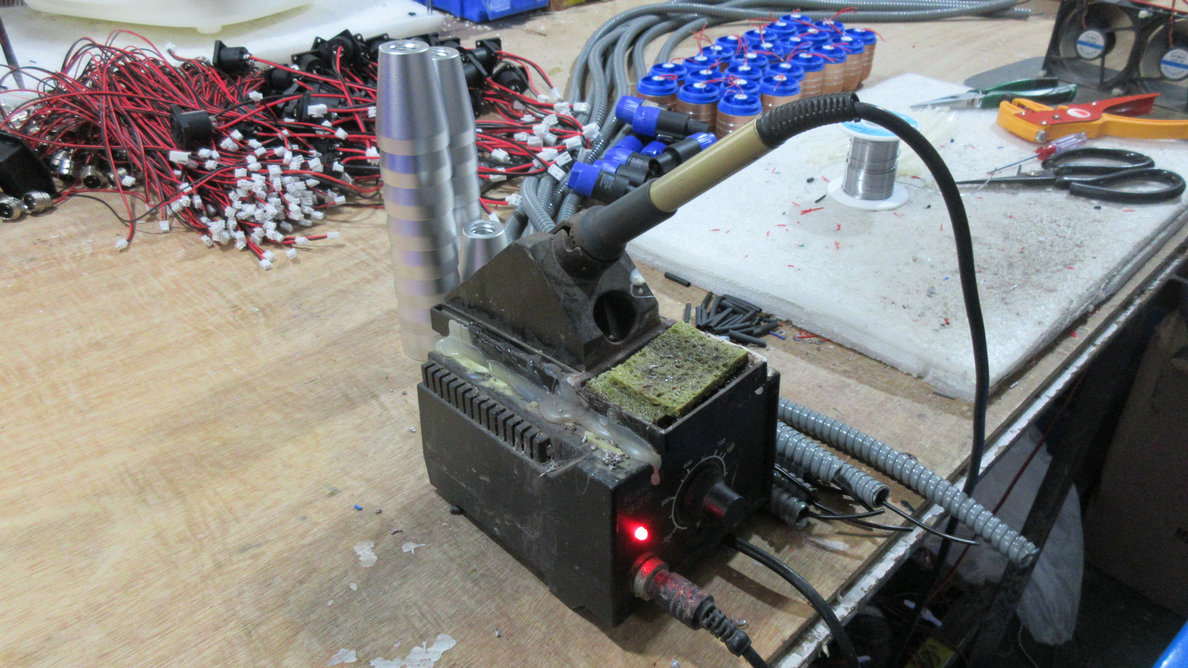
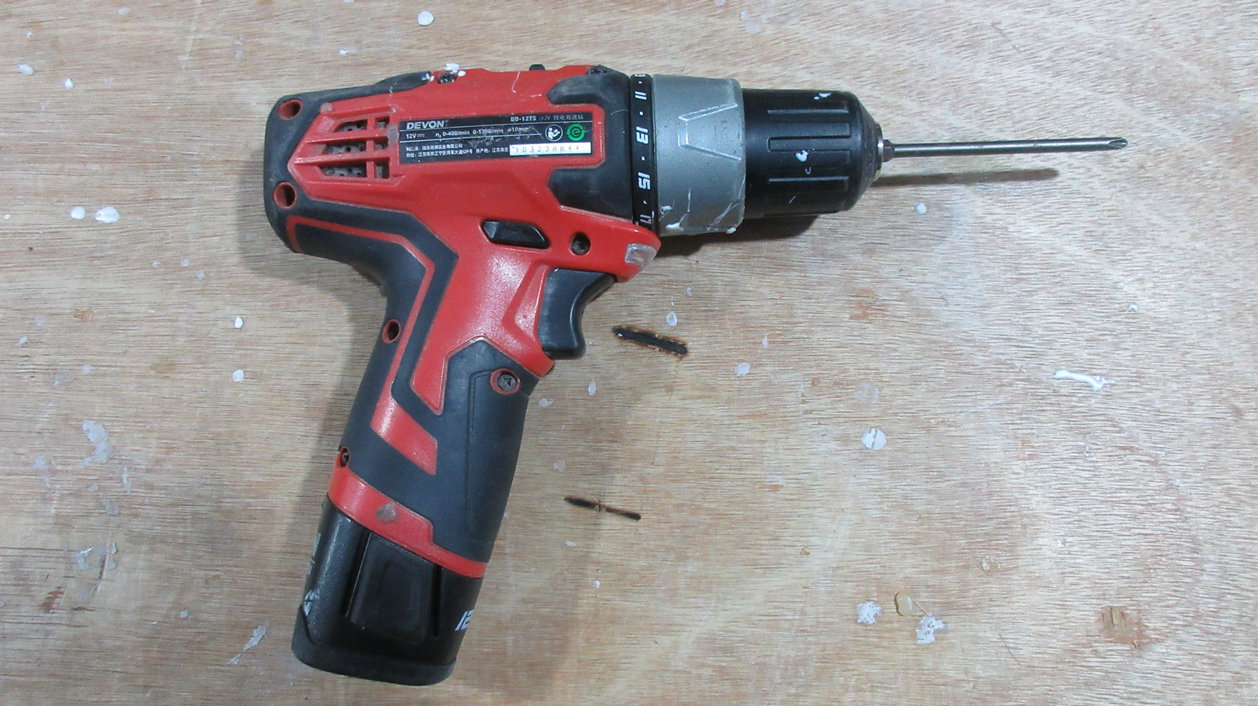
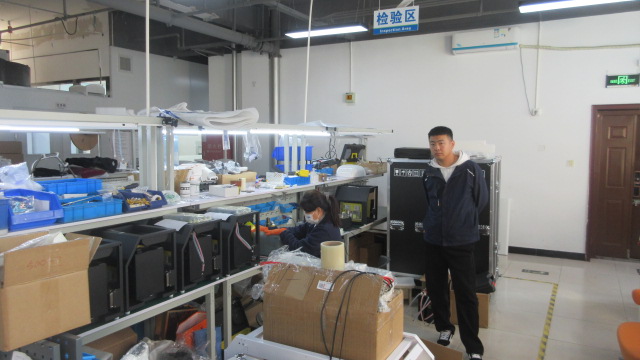
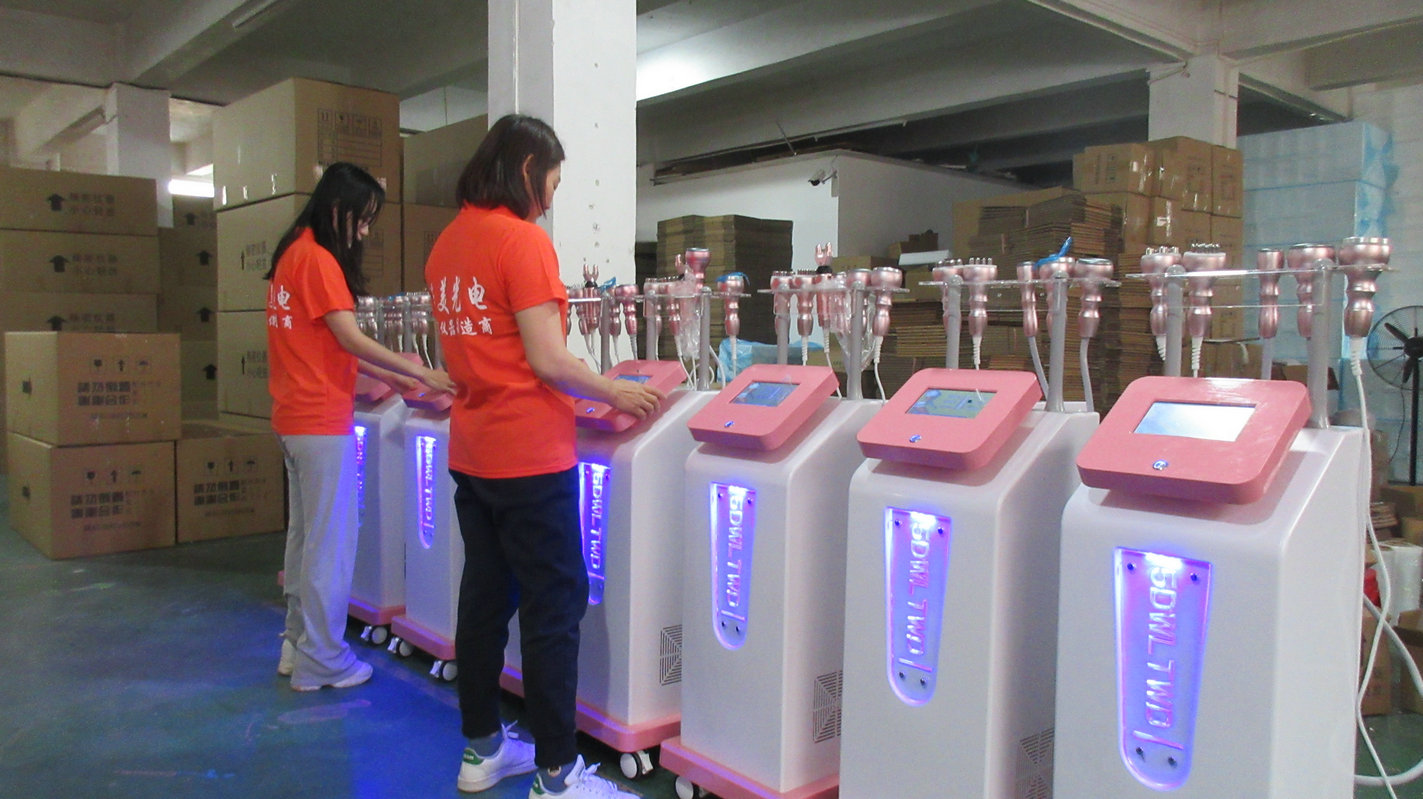
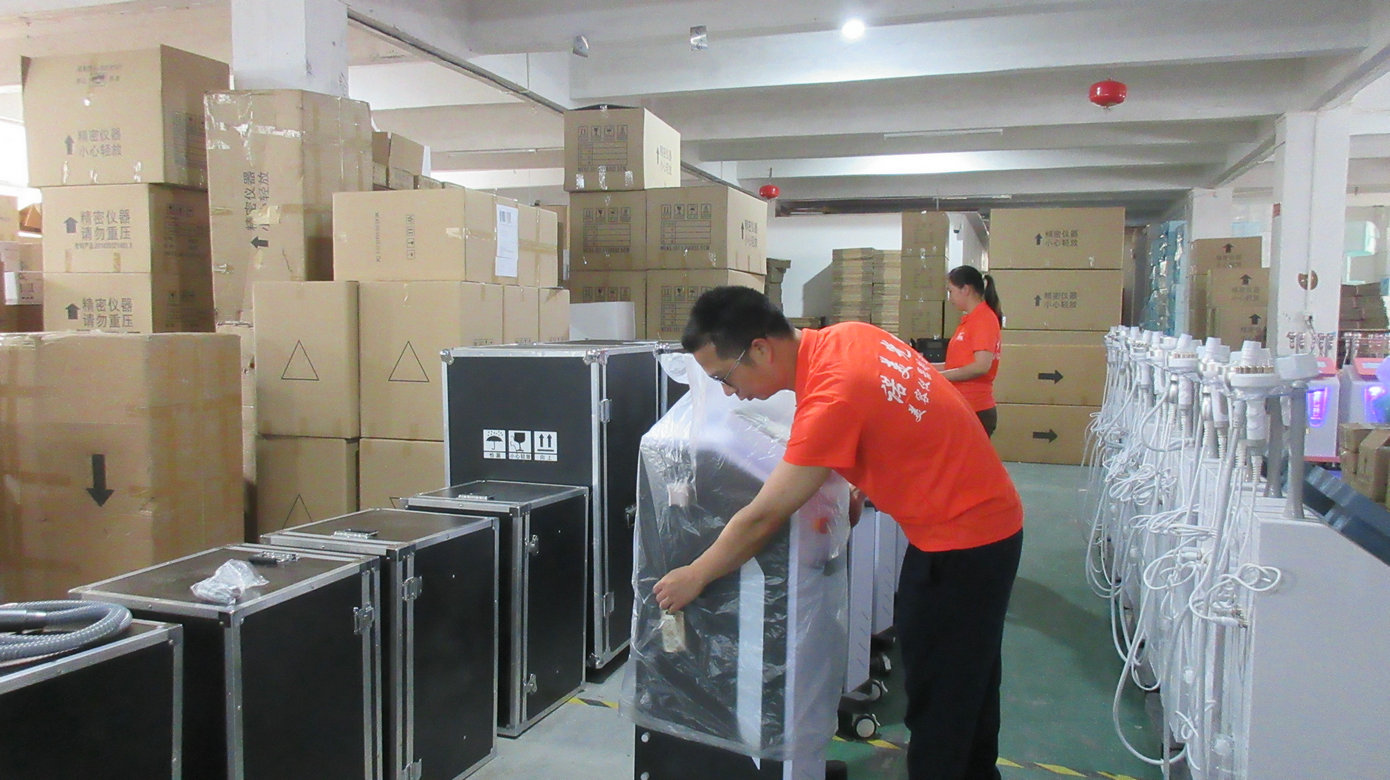

Ensuring compliance with medical device directives to protect your business and patients globally.
We help aesthetic providers secure CE, RoHS, and local electrical safety approvals. Our systems feature dual interlock protections to prevent accidental energy discharge, meeting international medical laser standards.
Our R&D team optimizes laser resonator designs, reducing alignment drift. Clinicians receive consistent pulse delivery even during high-workload tattoo removal treatments.
From custom GUI layouts and software tracking systems to tailored color palettes and logo placements, our OEM/ODM services help distributors build distinct market branding.
Aesthetic lasers require sophisticated thermal cooling to ensure consistent pulse output. Our systems utilize intelligent cooling structures combining custom radiators, high-volume water flow sensors, and semiconductor cooling arrays. This system monitors coolant temperatures in real time, preventing thermal degradation of the optical elements and ensuring safe, continuous daily operation.
Developing next-generation technologies to enhance safety, performance, and efficiency.
The next generation of pigment treatment platforms centers on two key areas: multi-wavelength integration and intelligent pulse modulation. Future systems will feature high-speed optical switches that allow operators to shift between 1064nm, 532nm, 585nm, and 650nm wavelengths within a single optical path. This design will streamline treatments, enabling clinical centers to target full-color tattoo pigments with one system.
We are also researching AI-assisted energy calibration systems. By reading dynamic skin feedback and assessing initial pigment concentration, the laser controller can auto-calibrate its energy output. This limits thermal stress, maximizes treatment efficacy, and provides clinical safety across various skin phototypes (Fitzpatrick scale I-VI).
Addressing key technical and operational questions to guide global distributors and clinic administrators.
Explore our additional professional systems designed to expand treatment menus and optimize clinical results.