Lyens Beauty

Executive Summary: The Medical-Grade Scar Removal Landscape
In the rapidly transforming global market for aesthetic medicine, energy-based scar removal devices have emerged as key value-drivers for clinical practices and medical distributors alike. The modern consumer's demand for high-efficacy, minimally-invasive interventions has shifted the technological focus. Historically reliant on mechanical dermabrasion or basic chemical resurfacing, the industry has universally aligned toward Fractional Photothermolysis (FP), radiofrequency microneedling (RFMN), and high-frequency thermal shock therapy.
As search patterns evolve toward semantic queries, understanding the specific technical mechanisms of energy delivery—such as the 10,600nm wavelength's interaction with intracellular water—is critical. This industry whitepaper acts as an authoritative guide for B2B buyers seeking elite clinical performance, deep mechanical safety, and rigorous supply chain integration. We detail the operational processes of Guangdong Lyens Beauty Co., Ltd., examine broader global procurement strategies, and provide an analytical matrix to evaluate the top original equipment manufacturers (OEMs) in this specialized space.
Key Evolutionary Trends in Aesthetic Scar Removal Technology
The scar remediation sector is progressing rapidly, defined by the integration of multi-system platforms that consolidate several thermal modalities into one clinical workspace. Three primary developmental axes define today's market:
Fractional CO2 Upgrades
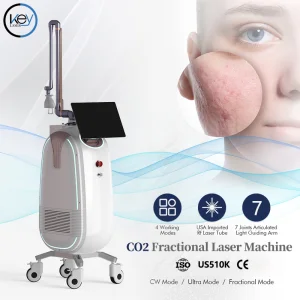
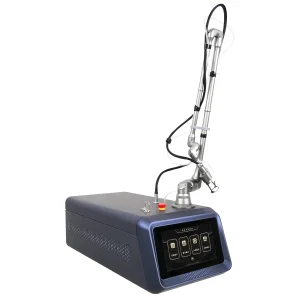
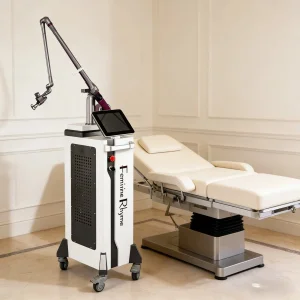
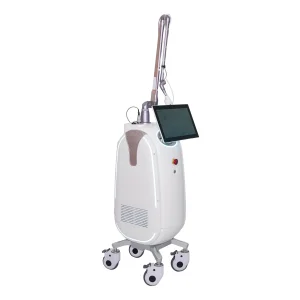
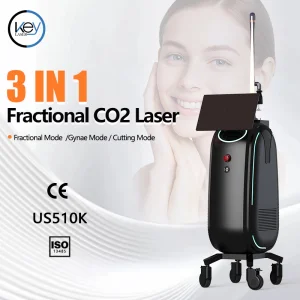
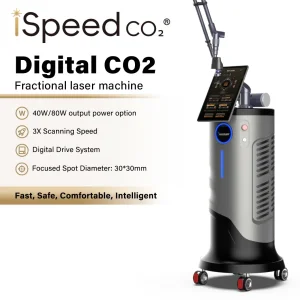
Modern CO2 laser technology has moved past continuous wave modes. Contemporary devices offer high-precision digital scanning matrices that project fractional micro-beams. By maintaining untreated skin bridges, recovery times are reduced from weeks to mere days, while neocollagenesis within the deep reticular dermis is maximised.
Synergistic Thermal Modalities
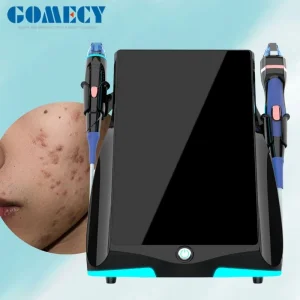
Monotherapy is being succeeded by combination protocols. For deep hypertrophic and atrophic acne scars, modern practices pair fractional CO2 ablation with fractional radiofrequency microneedling. RF energy bypasses the epidermal barrier entirely via insulated micro-needles, delivering direct volumetric heating to targeted depths.
Epidermal Protection Systems
Active cooling systems, specifically utilizing high-grade sapphire contact tips integrated with peltier modules, have established new benchmarks. Keeping epidermal temperatures down to 0-4°C drastically reduces the risk of Post-Inflammatory Hyperpigmentation (PIH), especially for Fitzpatrick Skin Types IV-VI.
"Aesthetic device integration is no longer just about generating heat; it is about thermal control. Limiting pulse durations below the skin's natural thermal relaxation time ensures targeted scar remodeling without collateral heat damage to surrounding healthy tissue."
Guangdong Lyens Beauty Co., Ltd.: Manufacturing Infrastructure & Quality Management
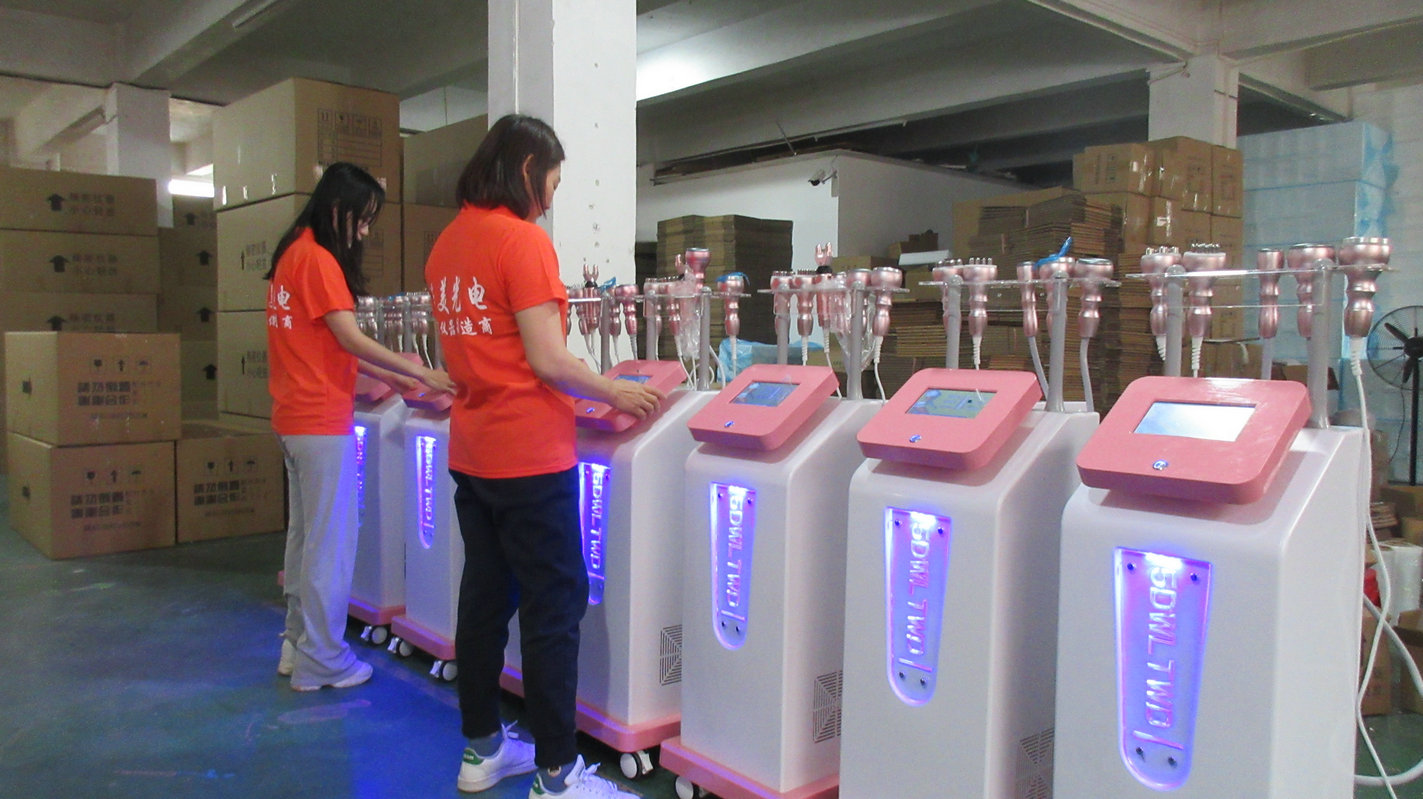
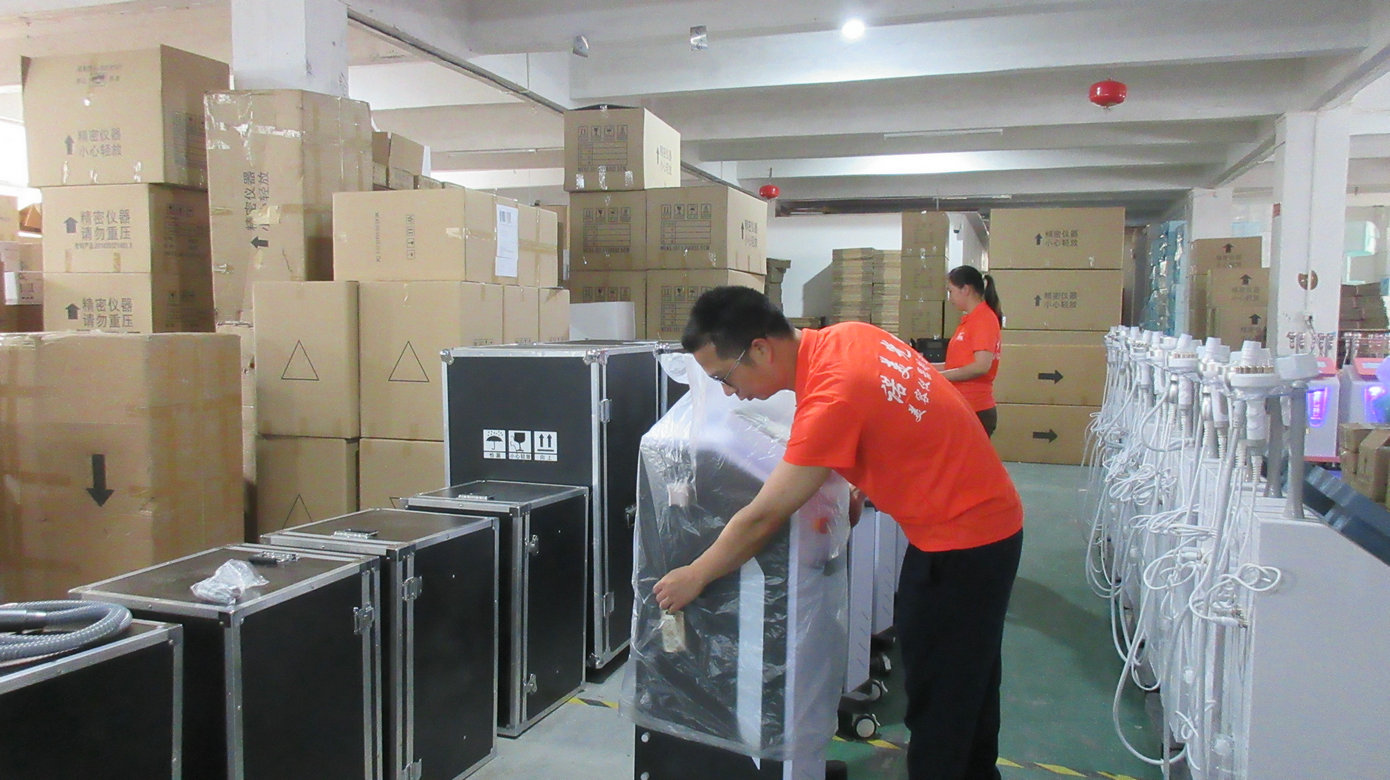
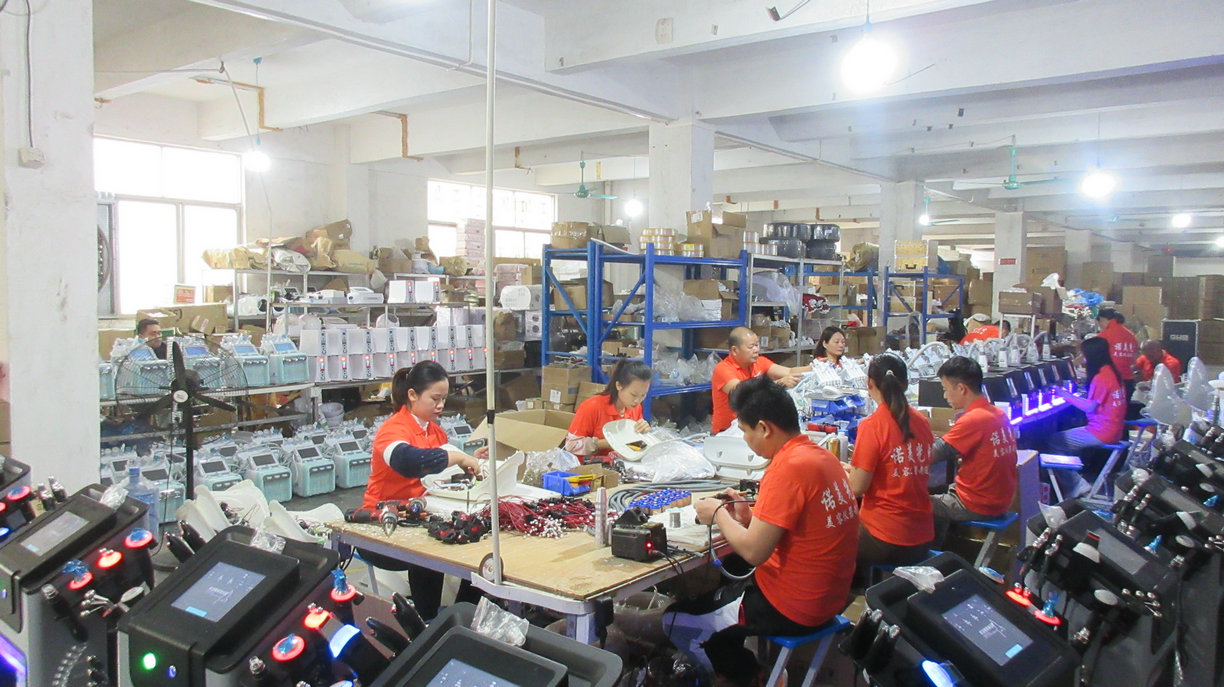
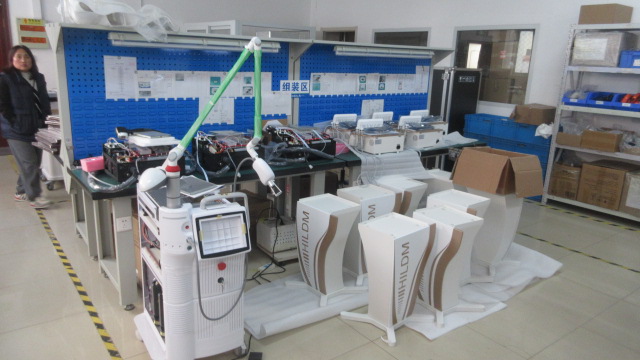
Among China’s professional aesthetic equipment manufacturers, Guangdong Lyens Beauty Co., Ltd. stands out as a highly integrated developer and supplier. By linking research, product design, precise manufacturing, global sales, and comprehensive customer support, the enterprise ensures stable batch quality and competitive market positioning.
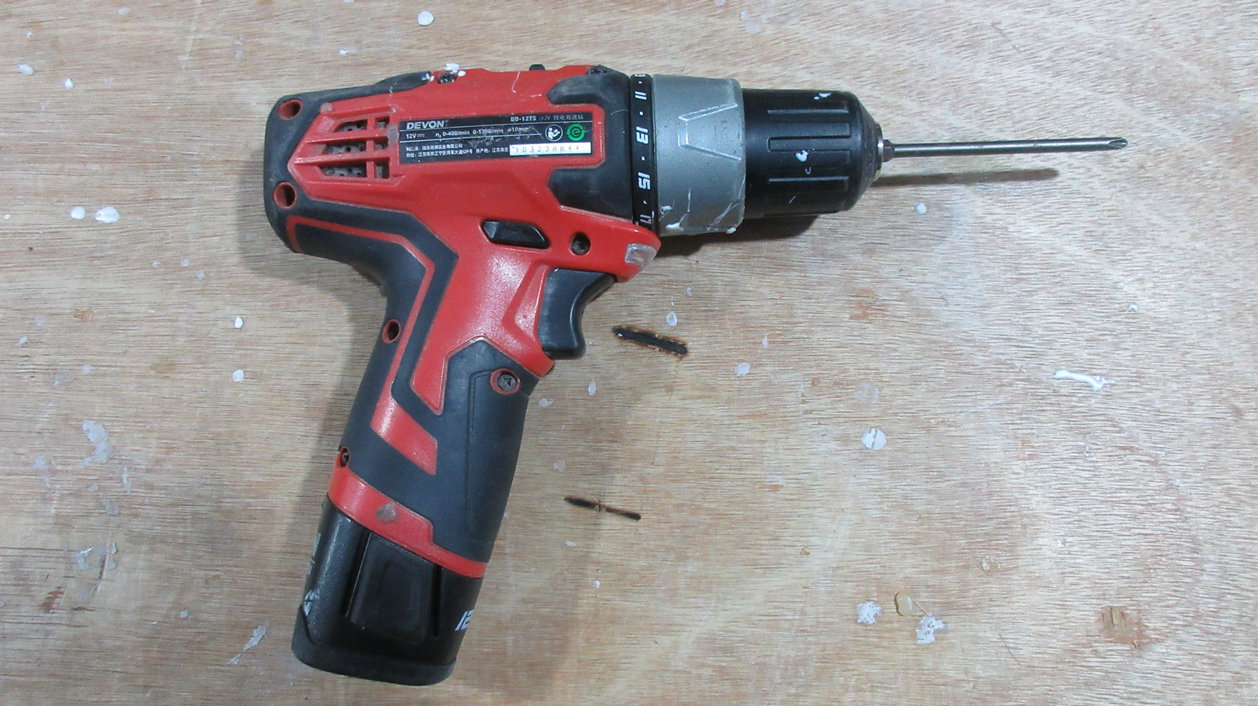
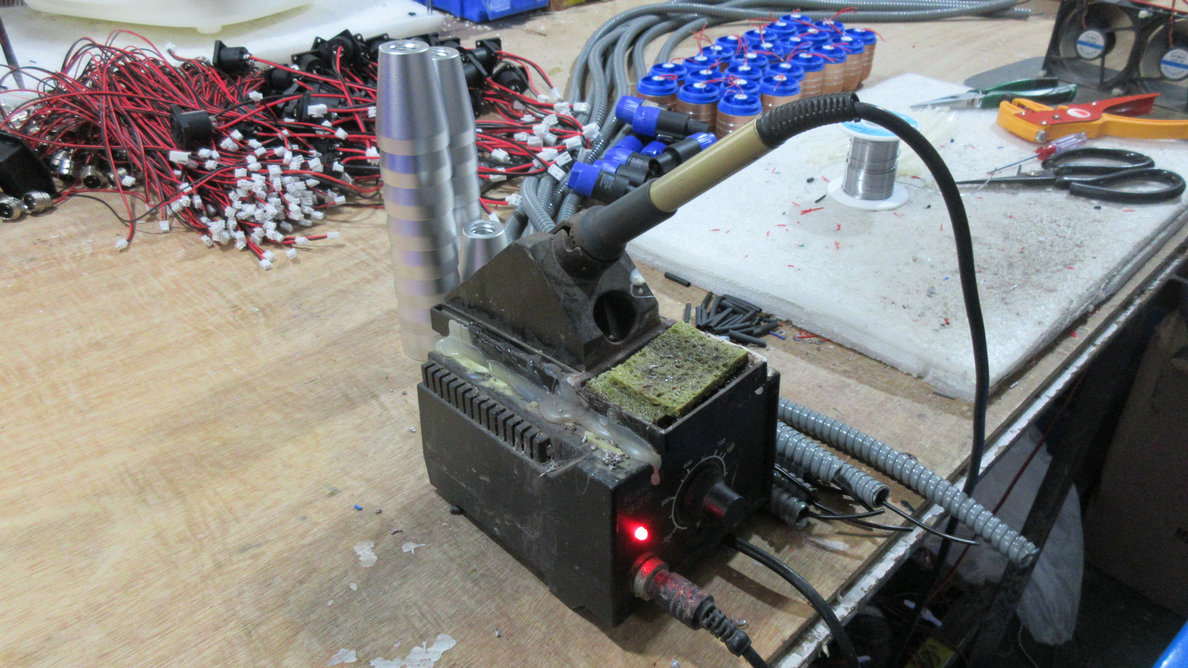
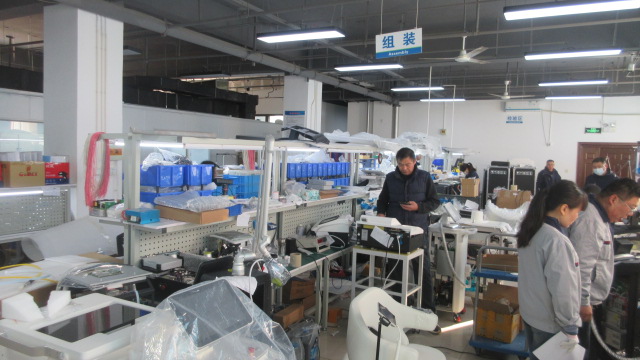
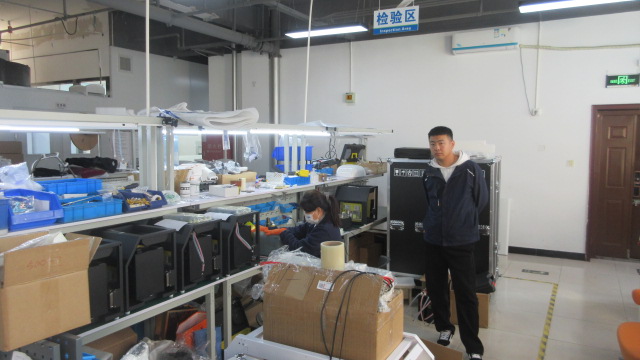
Integrating an in-house R&D group with structural design and international support teams allows Lyens Beauty to offer custom solutions tailored to evolving regulatory landscapes. Let's analyze their standardized manufacturing processes, showcasing how their specialized assembly line steps contribute directly to the safety and durability of these devices.
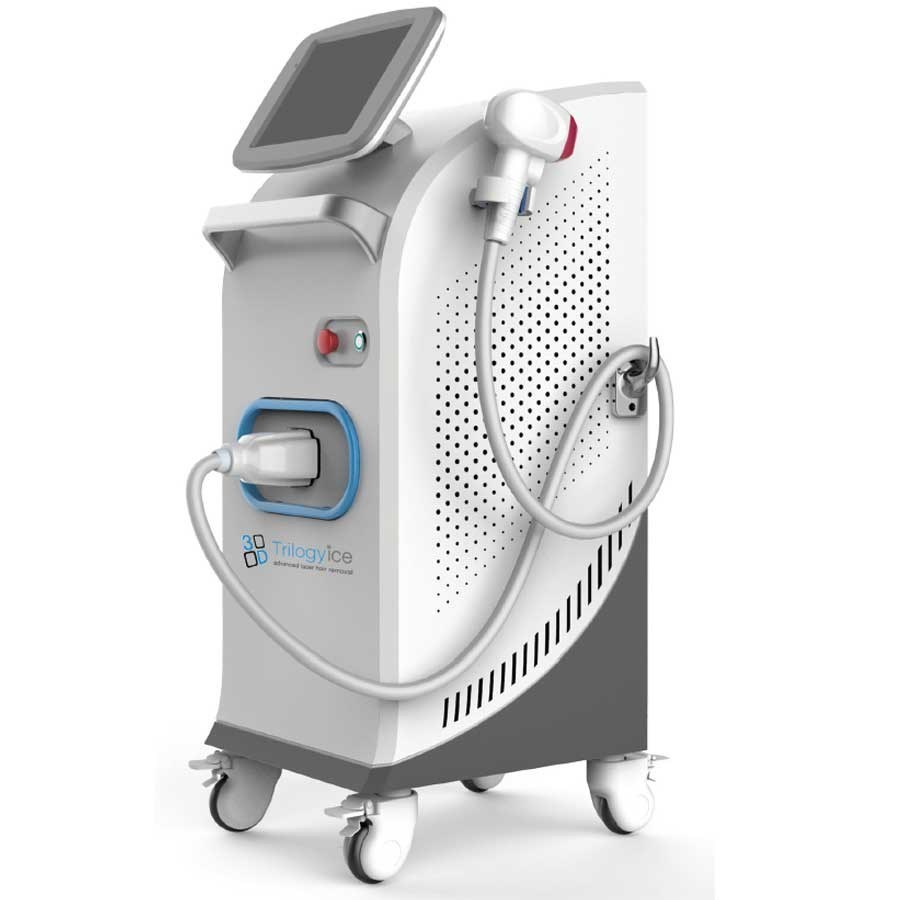
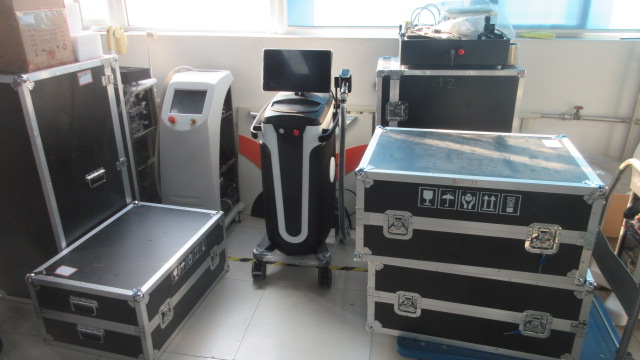
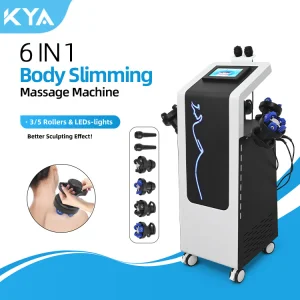
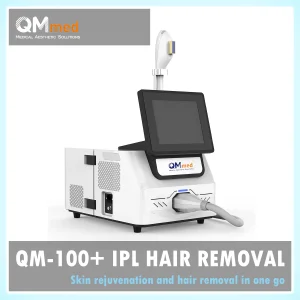
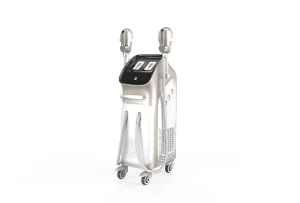
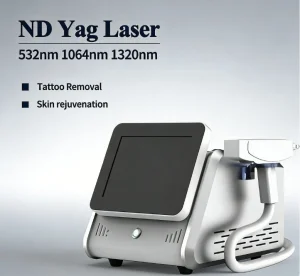
Their standard line covers everything from light-based platforms like CO2 lasers and Nd:YAG systems to professional body shaping technologies and target-oriented chairs. This clinical diversity is supported by a structured, rigorous quality control framework at the factory floor.