Lyens Beauty
Lyens Beauty
Lyens Beauty
Discover state-of-the-art radio frequency and multi-technology systems designed for optimal clinical results, patient safety, and operational reliability.
Radio frequency (RF) technology has consolidated its position as the cornerstone of the non-invasive aesthetic industry. Driven by a global shift toward non-surgical anti-aging and quick-recovery contouring procedures, medical spas and wellness centers increasingly demand robust RF hardware. In contrast to light-based systems (like lasers) that depend primarily on specific chromophores, RF relies on the physical principle of electrical resistance. RF energy flows through the skin's layers, transforming into thermal energy that safely heats targeted structures.
On a macro scale, RF technology serves as a vital bridge between basic skincare and surgical options like facelifts. As populations age globally, there is rising demand for clinical therapies that offer minimal downtime while yielding visible improvements in skin laxity, subcutaneous fat reduction, and muscle tone.
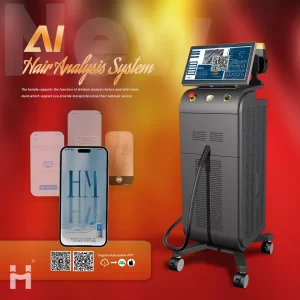
Modern manufacturers focus on integrating smart control systems, such as AI-driven impedance matching. This technology adjusts energy delivery dynamically based on real-time feedback from the patient’s skin, optimizing tissue temperature for safety and efficacy.
Understanding the physics of radio frequency and therapeutic impedance matching.
Monopolar RF routes energy from a single active electrode on the handpiece down to a grounding pad placed on the patient. This design facilitates deep penetration into the subcutaneous fat layer, making it highly effective for body contouring and deep dermal tightening.
Bipolar configurations contain the positive and negative poles on the same handpiece. The energy travels along a shallow path between the two points, delivering controlled heating to the superficial dermis. This approach is well-suited for delicate facial areas, fine lines, and superficial skin resurfacing.
Multipolar units utilize multiple active pins to generate cross-current configurations, ensuring uniform thermal distribution across a broader treatment zone. Fractional RF delivery creates micro-thermal zones, triggering natural wound healing for effective scar revision and tissue remodeling.
Examining professional manufacturing infrastructure, research and development, and global logistics.
Guangdong Lyens Beauty Co., Ltd. is a professional manufacturer and supplier specializing in beauty equipment and salon solutions. With advanced production facilities, a skilled R&D team, and strict quality control systems, the company is committed to providing innovative, reliable, and high-quality beauty products to customers worldwide.
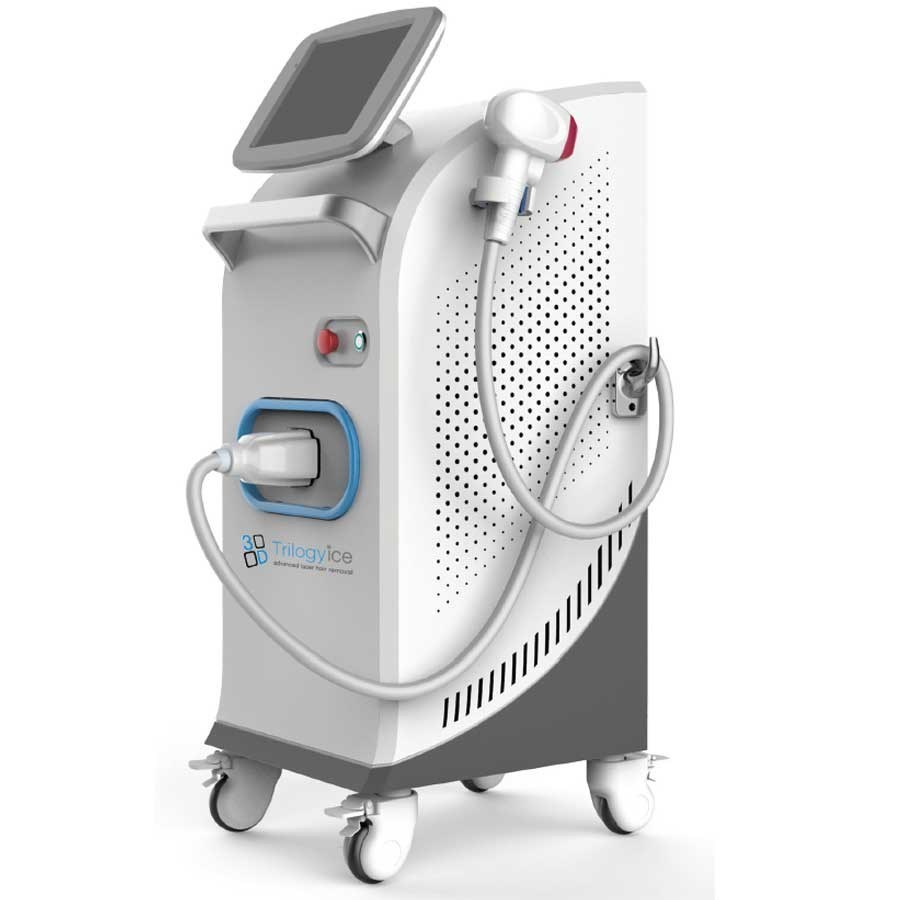
The corporate structure integrates research and development, product design, manufacturing, sales, and after-sales service into a unified operational ecosystem. Supported by specialized teams in product development, structural design, power supply production, international sales, and technical customer support, the manufacturer ensures stable product quality and efficient service delivery for global clients.
Guangdong Lyens Beauty Co., Ltd. offers a comprehensive range of beauty and personal care equipment widely utilized in professional beauty salons, spas, skincare centers, wellness clubs, and aesthetic practices. Their systems are characterized by contemporary industrial design, reliable performance metrics, competitive pricing, and long-term durability. The company consistently updates its technology and product lines to adapt to shifting global aesthetic market demands.
In addition to their catalog, they provide comprehensive OEM and ODM services, supporting clients with customized designs, private labeling, custom packaging, and targeted product development tailored to specific market requirements. Products are exported globally, establishing long-term business partnerships across diverse regions. Guided by the principle of "Quality First, Customer Foremost," the company focuses on building lasting relationships through reliable systems and collaborative growth.
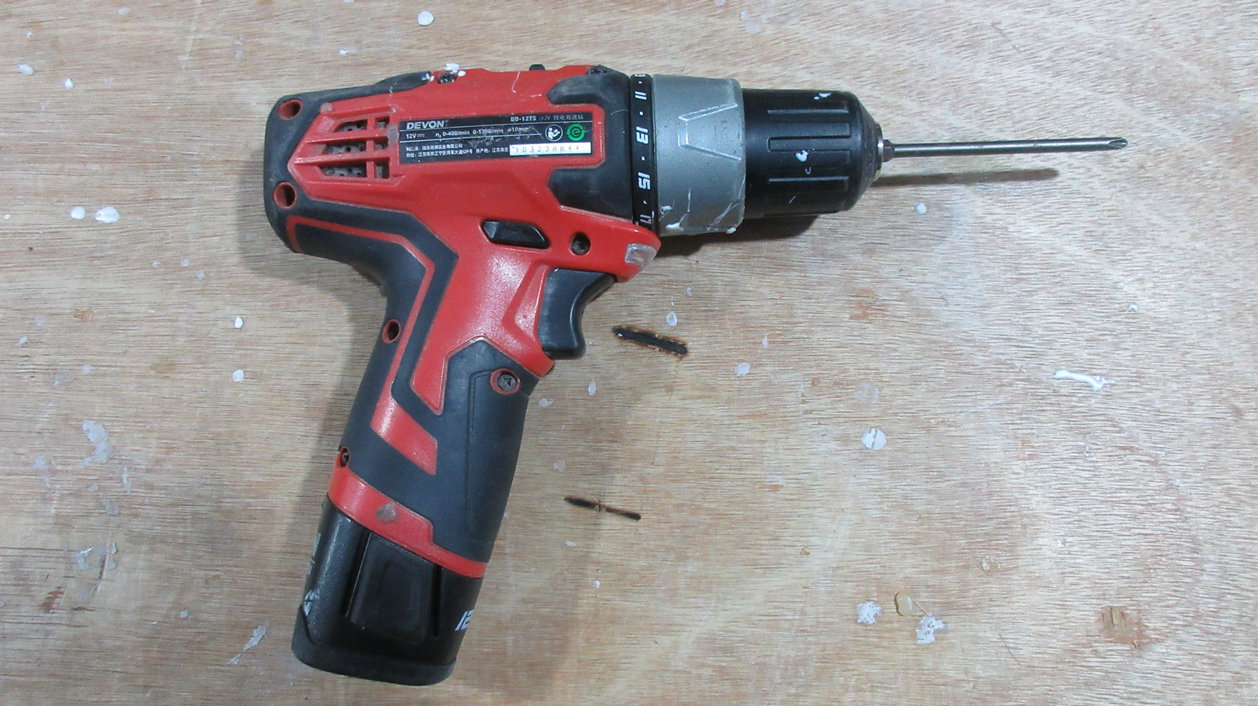
A detailed look at the component-level assembly, testing, and storage workflows within our state-of-the-art facility.
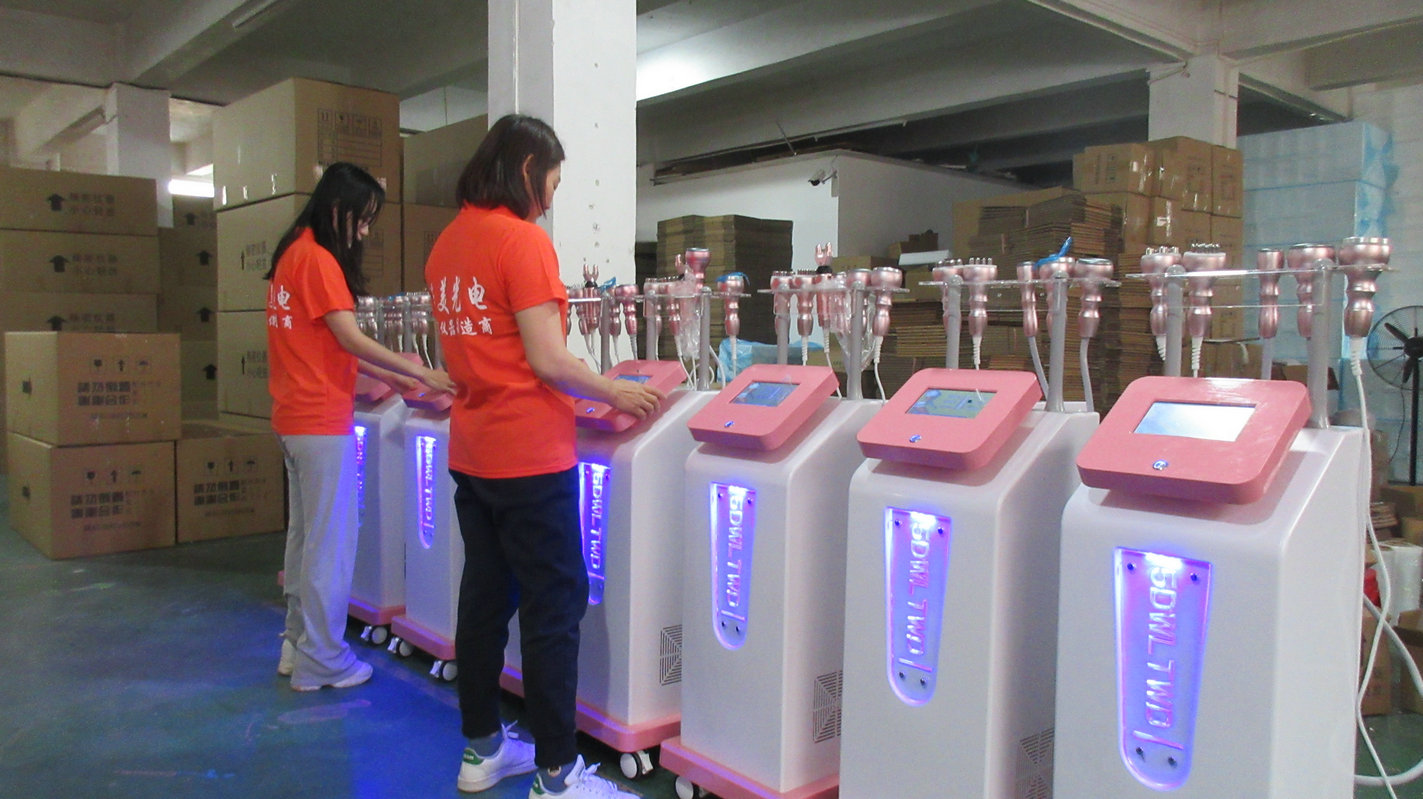
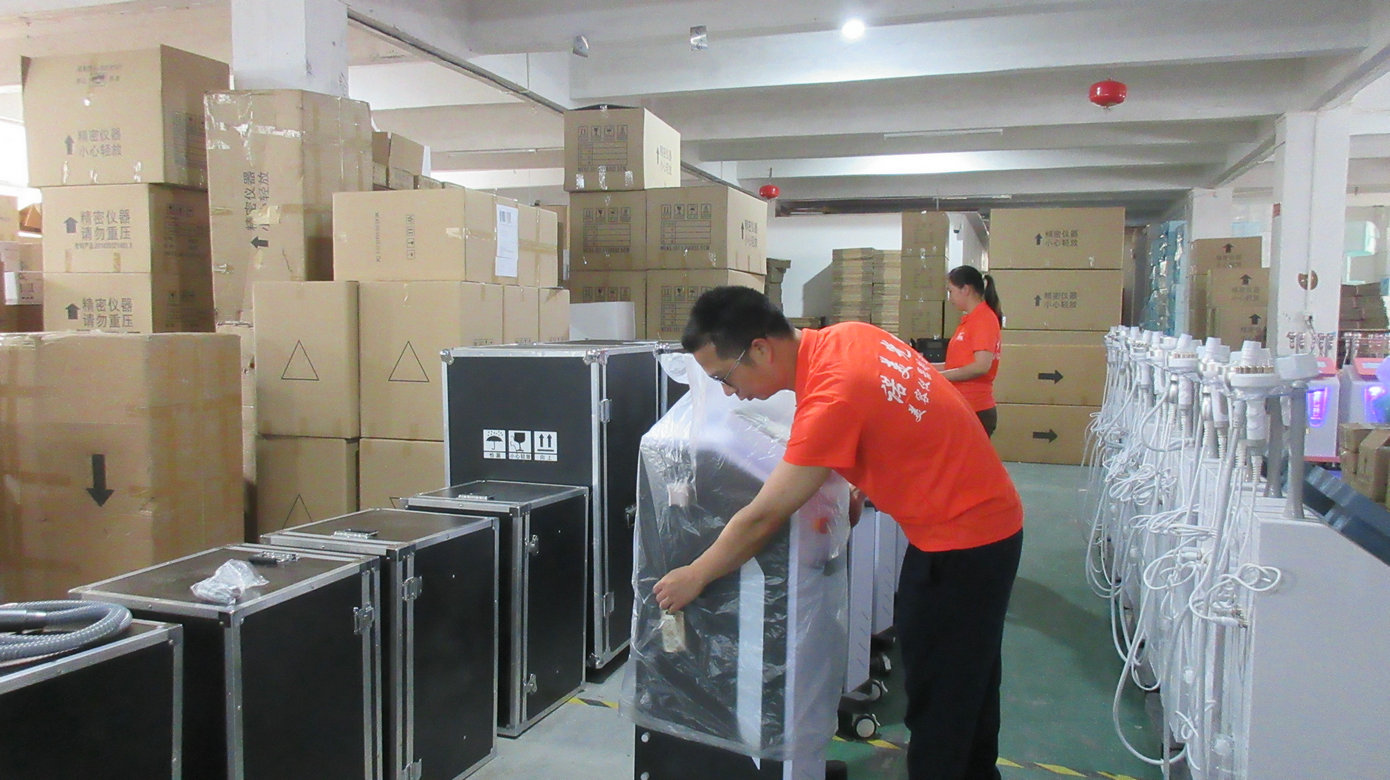

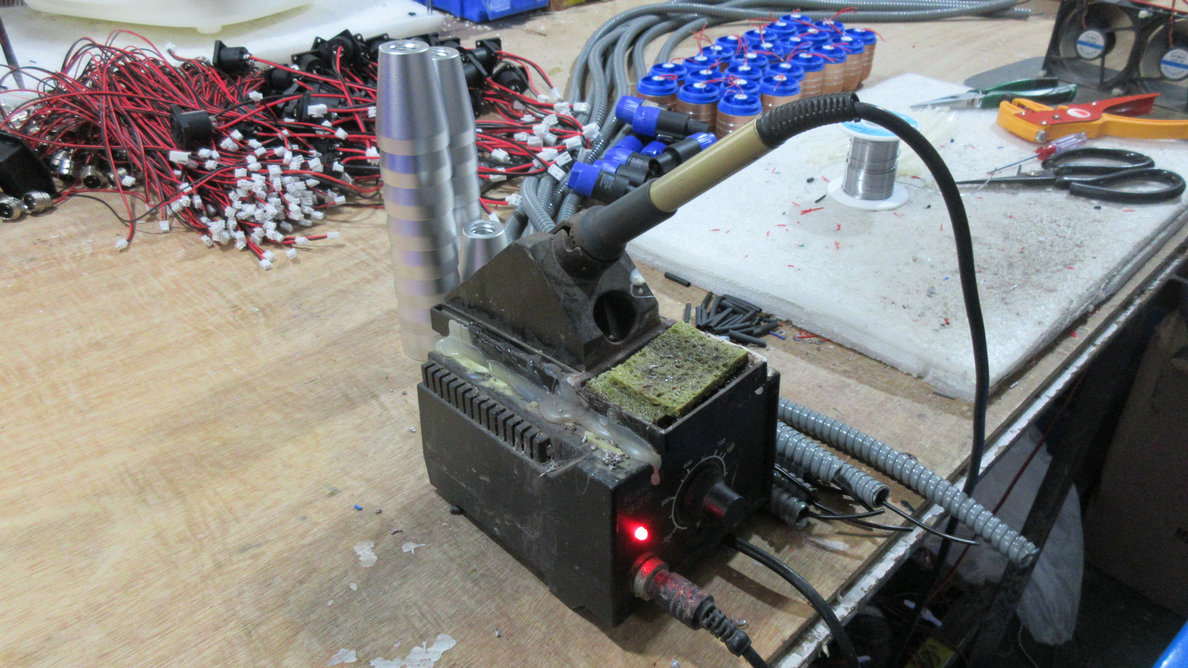
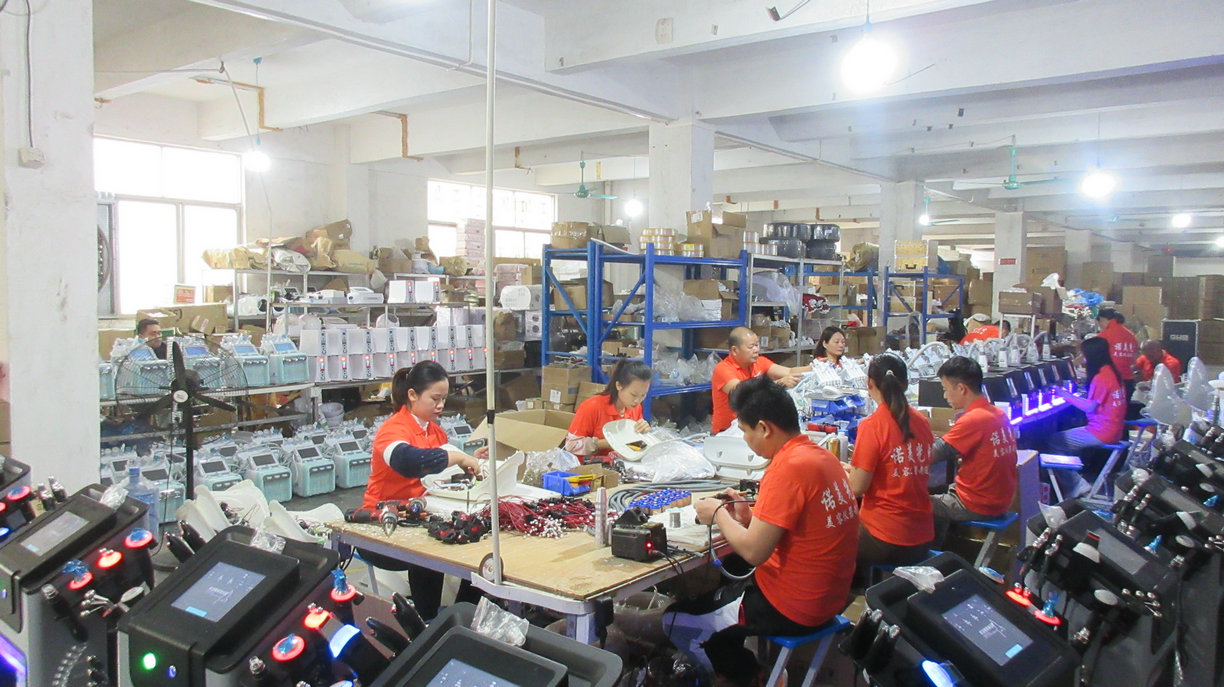
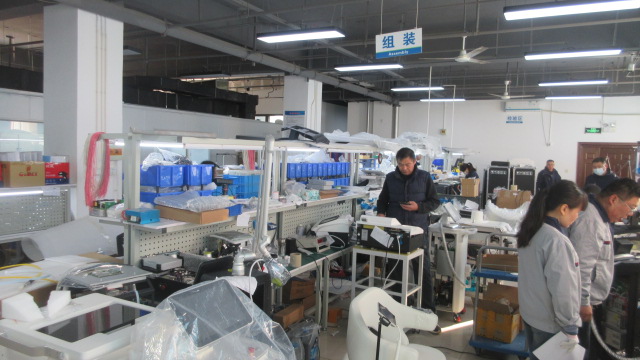
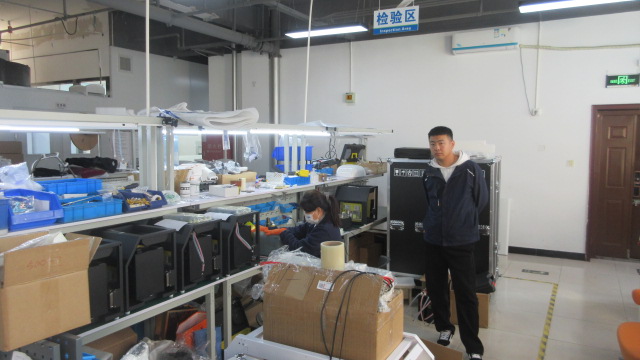
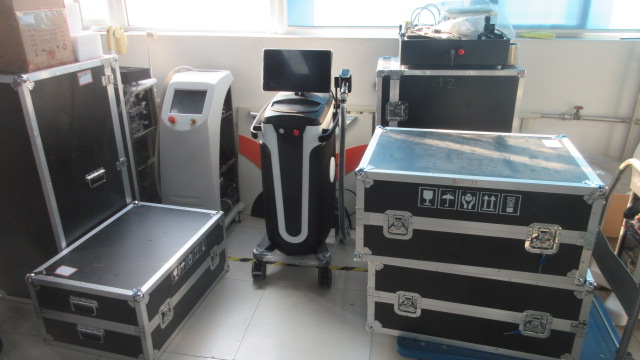
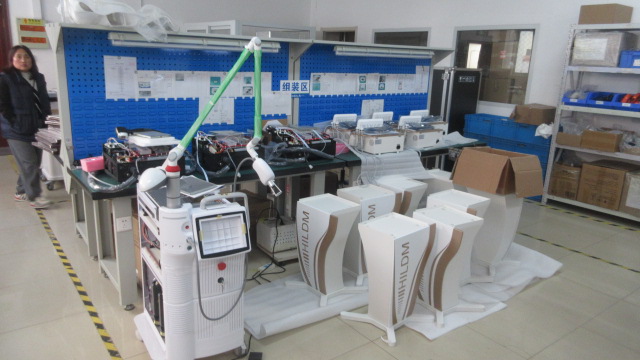
Importing medical and aesthetic equipment requires strict adherence to regional regulatory frameworks. To support hassle-free imports, professional manufacturers align their production with international safety standards, ensuring smooth customs clearance and compliant operation.
For the European Union, devices must comply with the CE Medical Devices Regulation (MDR EU 2017/745) or the relevant electromagnetic compatibility guidelines (EMCD 2014/30/EU). In North America, manufacturers seek FDA 510(k) clearances for medical devices, alongside UL or CSA safety certifications to verify the integrity of the electrical power supplies.
Ensures adherence to electrical isolation standards (IEC 60601-1) and electromagnetic compatibility, protecting clinics from power-surge failures and interference with surrounding diagnostic equipment.
Mandates stringent technical documentation, biocompatibility assessments for patient-contact probes, and clinical evaluation reports verifying the efficacy of thermal energy delivery.
Aligns with regulatory frameworks such as NMPA, ANVISA, and TGA. Focuses on quality management systems (ISO 13485) and localized user interfaces for intuitive operation.
Exploring upcoming advancements in radio frequency and combined energy modalities.
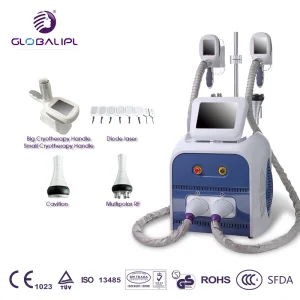
The aesthetic device industry is moving toward multi-technology integration. Standard RF platforms are increasingly combined with secondary modalities like high-intensity focused ultrasound (HIFU), laser diodes, and vacuum-assisted mechanical rollers. These hybrid systems target multiple tissue depths in a single session—combining muscle stimulation, deep fat reduction, and superficial skin tightening.
AI integration is another key development. Future platforms will feature advanced skin scanners that assess local impedance and hydration levels before emitting energy, automatically setting optimal pulse durations and cooling cycles. This minimizes the risk of epidermal burns while maximizing thermal accumulation in the target tissue layers.
Critical engineering and logistics questions answered for global distributors and purchasing managers.
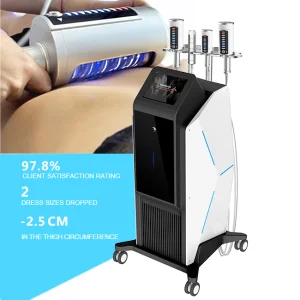
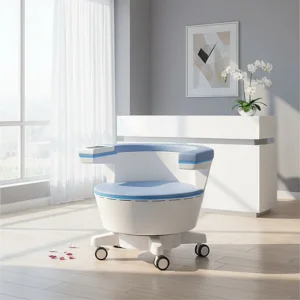
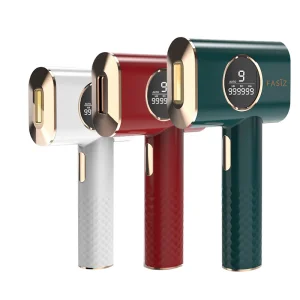
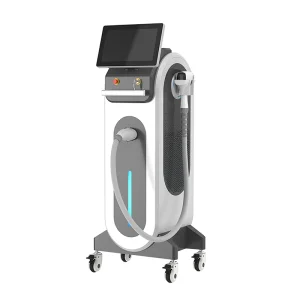
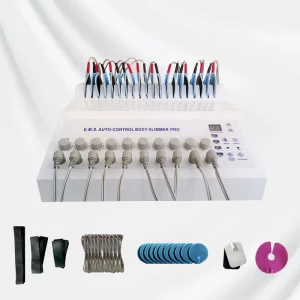
Explore professional-grade devices incorporating diode lasers, multi-wave arrays, HIFU, and EMS tech.