Why Does Laser Hair Removal Hurt More in Some Areas?

Time:2026-11-27 Author:Amelia
0%

Why does laser hair removal hurt more in some areas? The short answer is that skin, hair, and nerves vary across the body. A pulse may feel mild on the lower leg, then sharper near the underarm or bikini line. Those areas can have more sensitive skin, denser nerve endings, or coarse, dark hair that absorbs laser energy efficiently. It is not simply a matter of “toughness.” Pain thresholds differ, too.

Board-certified dermatologist Dr. Arash Akhavan explains the sensation as a quick, rubber-band-like snap. That comparison is useful, though individual experiences vary. Cooling systems, laser settings, treatment speed, and the clinician’s technique can all affect comfort. Recent sun exposure, skin irritation, or a very close treatment over a bony area may also change how a session feels. Mention these details before treatment; they can help the provider choose appropriate settings and cooling.

Some areas sting more. That can be normal. Still, pain should not be ignored or treated as proof that the laser is working better. A brief warm prick is different from intense, persistent burning. Tell your provider if discomfort becomes severe, or if redness and swelling worsen after the appointment. This introduction examines why sensitivity differs by body site, what influences each pulse, and how to discuss comfort safely. The answer is personal—and sometimes less predictable than people expect.
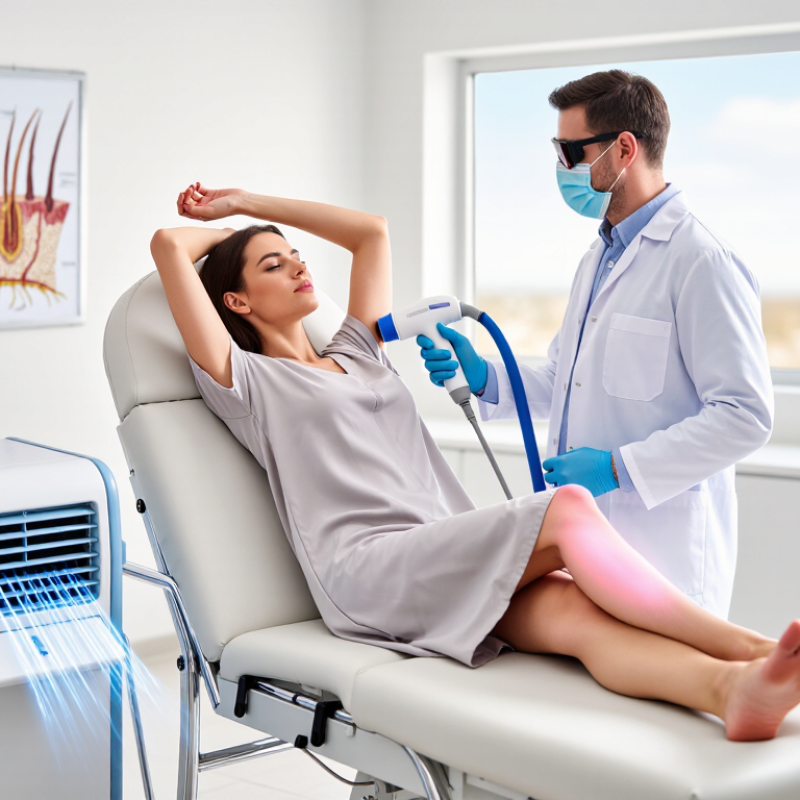
Why Does Laser Hair Removal Hurt More in Some Areas?

How Laser Hair Removal Creates Heat and Discomfort

Laser hair removal works by directing light toward melanin in the hair. The pigment absorbs the light, and the energy becomes heat around the follicle. That brief heat pulse can feel like a warm snap or a tiny rubber-band flick. The U.S. Food and Drug Administration describes this light-to-heat process in its guidance on laser products. The sensation varies because hair density, skin tone, pulse settings, and cooling all affect how heat is delivered.

Some areas sting more. The upper lip and bikini line can feel sharper because their skin is sensitive, while dense, coarse hair can absorb more energy. Pain is not a perfect map of effectiveness, though; discomfort alone does not show whether treatment settings are appropriate. The American Academy of Dermatology says most people need two to six treatments, so repeated sessions matter more than judging one flash. That guidance is useful, but it does not predict exactly how any one area will feel.

Tips: Ask the clinician how the device and settings are matched to your skin and hair. Follow their shaving and sun-exposure instructions, and speak up if the heat feels intense. Cooling may help. Small detail, big difference. Don’t tough it out silently. A brief pause can allow the provider to reassess comfort and settings.

Why Skin Sensitivity Varies Across Body Areas

Laser hair removal can feel different from one body area to another because skin, nerves, and hair follicles are not evenly distributed. Areas with thinner skin or many sensory nerve endings, such as the upper lip, may feel sharper than broader areas like the thighs. Skin close to bone, including the ankles, can also make each pulse feel more noticeable. It can be a quick snap. Then warmth.

Hair density and growth patterns matter, too. Coarse, dark hairs may absorb more laser energy, which can make treatment feel stronger in some spots. Underarms and the bikini area may be more sensitive because of their skin and hair characteristics, but experiences vary widely. Recent shaving, irritation, dryness, or sun exposure can affect how skin responds. Even the same person may find one session easier than another.

A clinician should assess skin tone, hair, and treatment area before choosing settings. Cooling methods and pauses can help, and settings may need adjustment across different areas. Don’t assume more pain means better results; discomfort alone cannot measure effectiveness. If the sensation becomes unusually intense, or the skin blisters or remains very painful, tell the provider and seek medical advice. Sensitivity is not a perfect map, and individual differences deserve attention.

How Hair Density and Follicle Depth Affect Pain

Why Does Laser Hair Removal Hurt More in Some Areas?

How Hair Density and Follicle Depth Affect Pain

Laser hair removal can feel sharper where hairs grow close together. Each follicle contains pigment that absorbs laser energy, so a dense patch may create several quick, warm snaps across a small area. That adds up. The upper lip or bikini line may feel more sensitive than a sparse patch on the leg, though people describe the same area differently.

Follicle depth matters, but it does not predict pain on its own. Hair roots sit at different depths, and treatment settings must reach the target effectively. Meanwhile, skin thickness, nearby nerve endings, hair coarseness, and cooling all shape the sensation. A deep-rooted hair is not automatically more painful; that’s the part that’s easy to oversimplify. It varies.

Tips: Tell your practitioner which spots feel sharp, and ask about a test pulse or cooling adjustment. Avoid shaving irritation before treatment, and follow the clinic’s aftercare instructions. If the discomfort feels unusually intense, speak up rather than trying to endure it.

What Personal and Treatment Factors Intensify Discomfort

Laser discomfort varies because skin, hair, and nerves differ across the body. Areas with dense follicles and sensitive nerve endings, such as the upper lip or bikini line, may feel sharper than the legs. It can sting. Dark, coarse hairs often absorb more laser energy, which can make each pulse feel more noticeable. Skin tone, recent tanning, and individual pain sensitivity also matter; discomfort can change from one appointment to another.

Treatment choices influence the sensation, too. Higher energy settings may improve effectiveness for some hair and skin combinations, but can increase heat and irritation if not carefully selected. Cooling devices, suitable pulse settings, and steady technique can make treatment more comfortable. That matters. Tell the practitioner about medications, skin conditions, recent sun exposure, and any unusual sensitivity before treatment. A brief warm snap may be expected, but persistent burning or intense pain should not be brushed aside. I used to think discomfort alone showed that a session was working; that is not a reliable measure. A qualified practitioner can adjust the plan based on your skin response, though results and comfort still vary.

Why Laser Hair Removal Hurts More in Some Areas

Illustrative relative discomfort index (1–5): More sensitive areas, such as the upper lip and bikini line, are often reported as more uncomfortable than the lower legs. These ratings are a qualitative illustration, not clinical measurements; individual experiences vary.

Discomfort can also be affected by skin sensitivity, hair thickness, treatment settings, cooling, and recent tanning. A qualified practitioner can adjust treatment settings and cooling to help manage discomfort.

How Providers Adjust Treatment for Sensitive Areas

Sensitive areas such as the upper lip, underarms, and bikini line can feel sharper during laser hair removal. These regions may have dense nerve endings, and hair thickness and skin tone also affect treatment choices. Discomfort varies from person to person. Small areas matter.

A provider should review your skin, recent sun exposure, medications, and treatment history before choosing settings. They may adjust the laser’s energy, pulse duration, or wavelength, depending on the device and your assessment. There is no single setting that suits everyone. A cautious test spot can help gauge your response, though it cannot predict every sensation.

During treatment, cooling air or a chilled contact tip may reduce surface heat. The provider can use shorter passes, pause between pulses, and ask you to rate the discomfort. You should not feel pressured to endure sharp or escalating pain. Speak up. A topical numbing product may be appropriate for some people, but use one only after discussing it with your provider. Their judgment matters, and it may need adjusting as your skin responds.

Why Does Laser Hair Removal Hurt More in Some Areas? — How Providers Adjust Treatment for Sensitive Areas

Treatment Area Why It May Feel More Sensitive How a Qualified Provider May Adjust Treatment What to Discuss Before Treatment
Upper lip The skin is relatively delicate, and the area can be sensitive to heat and brief, sharp sensations. Use appropriate eye protection, treat in small sections, and tailor device settings to the person’s skin and hair. Cooling may be used before, during, or after pulses. Tell the provider about skin irritation, cold sores, or recent use of products or medicines that may increase skin sensitivity.
Underarms The area is often sensitive, and hair may be coarse and dense. Skin folds can also make positioning and cooling more challenging. Position the arm to expose the treatment area clearly, ensure good skin contact where required by the device, and use suitable cooling and individualized settings. Discuss deodorant, shaving, and any rash or irritation. Treatment is usually postponed on inflamed or broken skin.
Bikini line Some people find this area more sensitive because of its nerve supply, skin characteristics, and coarse hair. Sensitivity varies considerably. Confirm the exact treatment boundaries, work in manageable sections, and adjust settings and cooling to the individual. A test spot may be considered when appropriate. Clarify which external areas are included. Do not assume laser treatment is appropriate for mucosal surfaces; follow the provider’s preparation instructions.
Shins and other bony areas Less soft tissue over the bone can make the tapping or snapping sensation feel more noticeable for some people. Keep the handpiece positioned as intended by the device instructions and use suitable cooling. The provider may adjust the treatment approach based on comfort and skin response. Report unusual tenderness, bruising, or skin problems in the area before the session.
Chest or abdomen Sensation differs by location, hair density, and individual sensitivity. Areas with coarse hair may feel more intense during pulses. Choose settings based on skin tone, hair characteristics, device type, and prior response rather than using one setting for every body area. Discuss recent tanning, changing skin color, scars, tattoos, or medicines that could affect light sensitivity.
Areas that were uncomfortable at a previous visit Comfort can change with the treatment area, hair growth, skin condition, settings, and personal sensitivity on the day. Pause to check the skin and comfort level, review settings, and use the device’s cooling method. The provider may modify or stop treatment if the response is concerning. Describe the sensation and when it occurs. Severe or persistent pain, blistering, or unexpected skin changes should be reported promptly.

Important: Discomfort varies between individuals and treatment sessions; no area has a guaranteed pain level. A trained provider should select device settings for the person’s skin and hair, explain expected sensations, and review medical history. Do not change settings or use numbing products without the provider’s guidance.

FAQS

Why can laser hair removal feel hot or sharp?

Hair pigment absorbs light and turns it into heat near the follicle. You may feel a warm snap or tiny rubber-band flick. Brief, but noticeable.

Which areas may feel more sensitive?

The upper lip, underarms, and bikini line can feel sharper. Thin skin, many nerve endings, and coarse hair may contribute. Ankles can feel sharp too.

Does more discomfort mean better results?

No. Pain does not show whether the settings are right or treatment is working. It is an imperfect guide.

Why might one session feel different from another?

Hair density, skin response, settings, and cooling can change the sensation. Dryness, irritation, or recent sun exposure may also affect comfort.

What should a provider check before treatment?

They should assess your skin tone, hair, treatment area, sun exposure, medications, and treatment history. The details matter.

How can discomfort be reduced during a session?

Cooling air or a chilled contact tip may help. The provider can pause between pulses or adjust settings. Say something early.

Is a test spot useful for sensitive areas?

It may show how your skin responds, but it cannot predict every sensation. A cautious start is sensible, not a guarantee.

What should I do if the treatment feels intensely painful?

Tell the provider and ask for a pause or reassessment. Don’t tough it out silently. Seek medical advice if skin blisters or stays very painful.

How many sessions are commonly needed?

Many people need two to six treatments. The number varies, and one uncomfortable flash cannot predict the final result.

Conclusion

Laser hair removal works by directing light toward pigment in the hair, where the energy becomes heat and affects the follicle. That brief heat can feel like a snap, sting, or warmth, but the sensation is not the same across the body. Skin varies in thickness, nerve sensitivity, and proximity to bone, so areas such as the upper lip, bikini line, or ankles may feel more tender than broader areas. The question “why does laser hair removal hurt more in some areas” also has to do with hair: dense, coarse hair and follicles set deeper in the skin can absorb more energy and create a stronger sensation.

Personal pain tolerance, skin condition, hormonal changes, and treatment settings may further influence discomfort. The size of the area being treated and how recently it was shaved can also make a difference. Providers can adapt the session by adjusting energy levels, using cooling methods, or treating especially sensitive areas in shorter sections. Sharing concerns before and during treatment helps the provider choose a comfortable approach while keeping the procedure appropriate for the area and skin type.

Amelia

Amelia

Amelia is a seasoned marketing professional with a wealth of expertise in our company’s core offerings. With an unwavering passion for driving growth and innovation, she plays a pivotal role in shaping our marketing strategies and enhancing brand visibility. A key aspect of her responsibilities......