Lyens Beauty
High-Intensity Focused Ultrasound (HIFU) has gained popularity as a non-invasive facial treatment. Many patients often ask, "why is my face red after HIFU treatment?" This reaction is common and can be attributed to several factors, including the skin’s sensitivity post-treatment. According to industry experts, redness is usually temporary, a result of increased blood flow and inflammation. Dr. Emily Johnson, renowned dermatologist, states, "Post-treatment redness shows that the skin is healing and responding positively."
Research from the Journal of Cosmetic Dermatology highlights that up to 75% of patients experience redness after HIFU, but it typically resolves within a few hours to days. Factors like skin type and individual sensitivity play a significant role. While some patients relish the results, others might feel concerned about persistent redness. It's important to manage expectations and understand the temporary nature of this reaction. Educating patients on what to expect can enhance their overall experience and satisfaction with HIFU treatments.
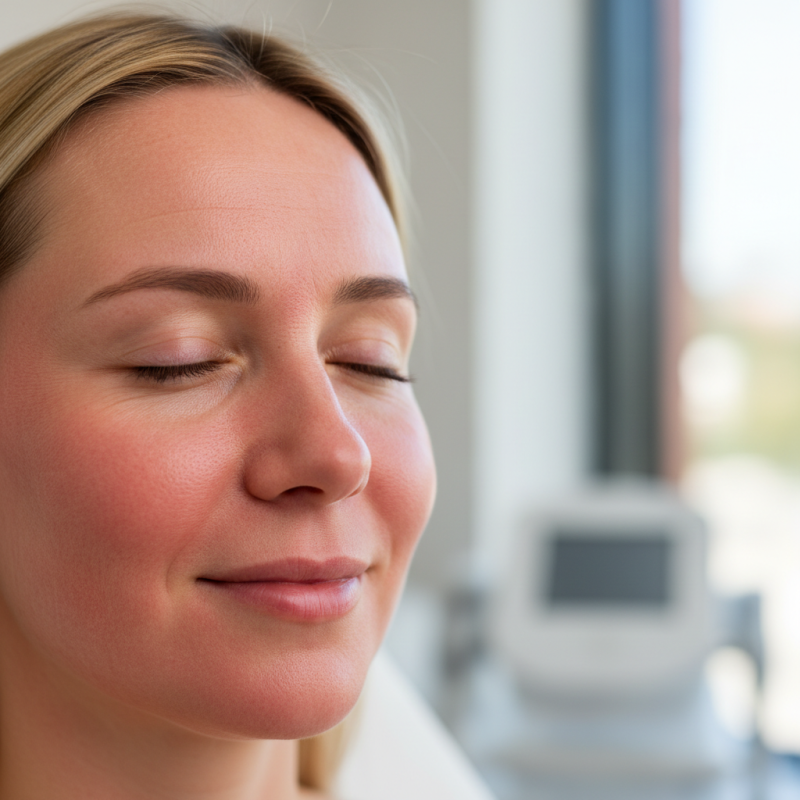
HIFU, or High-Intensity Focused Ultrasound, is a popular treatment for skin tightening and lifting. This non-invasive procedure uses ultrasound energy to stimulate collagen production. As a result, many patients experience skin changes following the treatment, including temporary redness. Understanding how HIFU affects your skin can help you manage these effects.
The treatment heats the deeper layers of the skin, which can lead to increased blood flow and inflammation. This response often manifests as a red appearance on the skin. While this redness typically subsides within a few hours to a few days, some might find it distressing. It's important to remember that everyone's skin reacts differently to treatments. Variability in skin type and sensitivity plays a significant role in recovery time.
Tips for managing redness after HIFU include keeping your skin cool. Applying a cold compress can provide immediate relief. Hydration is also crucial; drink plenty of water to support your skin recovery. Additionally, avoid harsh skincare products for at least a week post-treatment. This can help minimize irritation and promote healing. Always consult with a qualified professional if you have concerns about your treatment and its effects on your skin.
After undergoing a High-Intensity Focused Ultrasound (HIFU) treatment, many individuals notice redness on their faces. This reaction is common and can be attributed to several factors. The treatment involves using ultrasound energy to stimulate collagen production beneath the skin. This process can lead to temporary inflammation, causing blood vessels to dilate, which results in a reddish appearance.
Another reason for post-treatment redness is skin sensitivity. After HIFU, the skin is often more reactive than usual. People with sensitive skin may experience heightened redness. Factors such as skin type, existing conditions, and even environmental influences can contribute to this effect. This variability means that not everyone will experience the same level of redness, making it essential for individuals to discuss their specific skin concerns with their practitioner.
Additionally, it’s crucial to manage expectations regarding post-treatment effects. Redness should gradually subside within a few hours to a couple of days. However, if the redness persists or worsens, seeking professional advice is wise. Recognizing and understanding these nuances can help patients make informed decisions about their skincare journey.
After HIFU treatment, it's common to notice facial redness. This reaction is primarily due to the ultrasound energy stimulating the skin. The redness typically appears because the skin is reacting to the induced thermal effect. This reaction varies by individual, with some experiencing minimal redness and others significant flushing.
Duration of redness can vary. In most cases, it lasts around a few hours to a couple of days. According to the American Society for Aesthetic Plastic Surgery, about 70% of patients report mild side effects, including redness. However, if redness persists beyond a few days, it may warrant professional evaluation. Immediate care can help alleviate discomfort. Hydration is crucial for recovery. After HIFU, the skin's sensitivity may increase. It's essential to use a gentle skin care routine.
Recovery time largely depends on the treatment area and individual skin types. Some may resume normal activities within a day. Others may need additional time. Observing skin changes post-treatment is important. Emotional responses to visible results can also vary. Keeping track of how your skin reacts can provide insights for future treatments.
Post-HIFU treatment, many individuals experience facial redness. This response occurs due to the skin’s natural healing process. HIFU, or High-Intensity Focused Ultrasound, stimulates collagen production. Skin may appear red and swollen for several hours or even days. According to a recent study, over 70% of patients report temporary redness following this procedure.
To soothe skin redness post-treatment, keep the area cool. Applying a cold compress can effectively reduce inflammation. Doctors often suggest using soothing gels containing aloe vera or chamomile. These ingredients offer anti-inflammatory properties and aid in calming the skin. Don't apply heavy makeup or skincare products for at least 24 hours to prevent irritation.
Stay hydrated by drinking plenty of water. Adequate hydration helps maintain skin elasticity and supports the healing process. Additionally, avoid direct sunlight, as UV exposure may worsen redness. If redness persists beyond a few days, consulting a dermatologist is crucial. They can provide tailored advice or treatments to further minimize discomfort.
Tip: Always patch test new products before full application. This can help avoid allergic reactions during the healing phase. Listen to your skin. Redness is a sign. It indicates that your skin is adjusting to the treatment.
| Reason for Redness | Description | Soothing Methods |
|---|---|---|
| Increased Blood Circulation | HIFU stimulates collagen production, leading to temporary increased blood flow. | Apply a cold compress to the area to reduce heat and redness. |
| Skin Sensitivity | The procedure may leave the skin sensitive and reactive due to energy application. | Use gentle, hydrating lotions and avoid irritating ingredients. |
| Inflammation | The treatment can cause localized inflammation in the treated area. | Incorporate anti-inflammatory creams or aloe vera gel for soothing. |
| Skin Damage | In rare cases, there may be minor skin damage due to energy levels. | Consult a dermatologist for appropriate treatment and recovery advice. |
| Allergic Reaction | Some patients may experience allergic reactions to post-care products. | Identify and avoid allergens, using hypoallergenic products when possible. |
Redness is a common side effect after HIFU (High-Intensity Focused Ultrasound) treatment. This reaction usually occurs due to increased blood flow as the body responds to the ultrasound energy. Typically, this redness subsides within a few hours to a couple of days. However, it's vital to monitor your symptoms and consult a professional if the redness persists or worsens.
Reports from the Aesthetic Society indicate that up to 25% of patients may experience prolonged redness after HIFU treatments. This can vary based on individual skin sensitivity and the treatment area. If your face remains unusually red beyond the usual timeframe, seeing a professional is essential for evaluation. They can determine if you are experiencing an adverse reaction or if further treatment is necessary.
Consult a dermatologist or a qualified practitioner if you notice swelling, pain, or blistering. This is particularly critical for those with sensitive skin or previous skin issues. Effective care can help prevent complications and optimize your overall treatment outcome. Always prioritize safety and professional advice following any aesthetic procedure.
: Redness occurs due to skin healing and increased blood flow. It’s a common reaction to the ultrasound energy used.
Redness usually fades within a few hours to a couple of days. However, duration may vary by individual.
Apply a cold compress to reduce inflammation. Soothing gels with aloe vera can also help calm irritation.
It’s best to avoid heavy makeup for at least 24 hours to prevent further irritation on sensitive skin.
If redness lasts longer than a few days or worsens, it’s essential to consult a dermatologist for evaluation.
Yes, direct sunlight can aggravate redness. Stay in the shade and use protection on treated areas.
Listen to your skin; it may be adjusting. Consult a professional if sensitivity leads to swelling or blistering.
Yes, individual skin types, sensitivity, and existing conditions can affect the level of redness experienced.
Absolutely. Drinking water helps maintain skin elasticity and supports the healing process during recovery.
HIFU treatment, or High-Intensity Focused Ultrasound, is increasingly popular for skin tightening and rejuvenation. However, many individuals wonder "why is my face red after HIFU treatment?" Redness post-treatment is common and can be attributed to the heat generated during the procedure, which stimulates collagen production but may also irritate the skin. Understanding the healing process and typical skin reactions is crucial for managing post-treatment expectations.
The duration of redness may vary, usually subsiding within a few hours to a few days. To soothe skin redness, individuals are advised to use gentle, hydrating products and avoid sun exposure. If redness persists or worsens, consulting a professional is recommended to ensure no underlying complications arise. Overall, being informed about the causes and proper care post-HIFU can enhance the recovery experience and ensure optimal results.
