Top Things to Expect During a Plasma Skin Tightening Session?

Time:2026-09-15 Author:Isabella
0%

Understanding what to expect during a plasma skin tightening session can make the experience feel more manageable. This treatment uses controlled plasma energy to create tiny, targeted points on the skin. A qualified, licensed practitioner should assess your skin, medical history, and treatment goals beforehand. Results vary. They are not guaranteed.

During the appointment, the provider usually cleanses the area and may apply a topical numbing cream. You might notice warmth, brief stinging, or a snapping sensation. The practitioner may work in a careful pattern across the selected area, such as the eyelids, neck, or jawline. The room may smell slightly smoky. That detail surprises some patients.

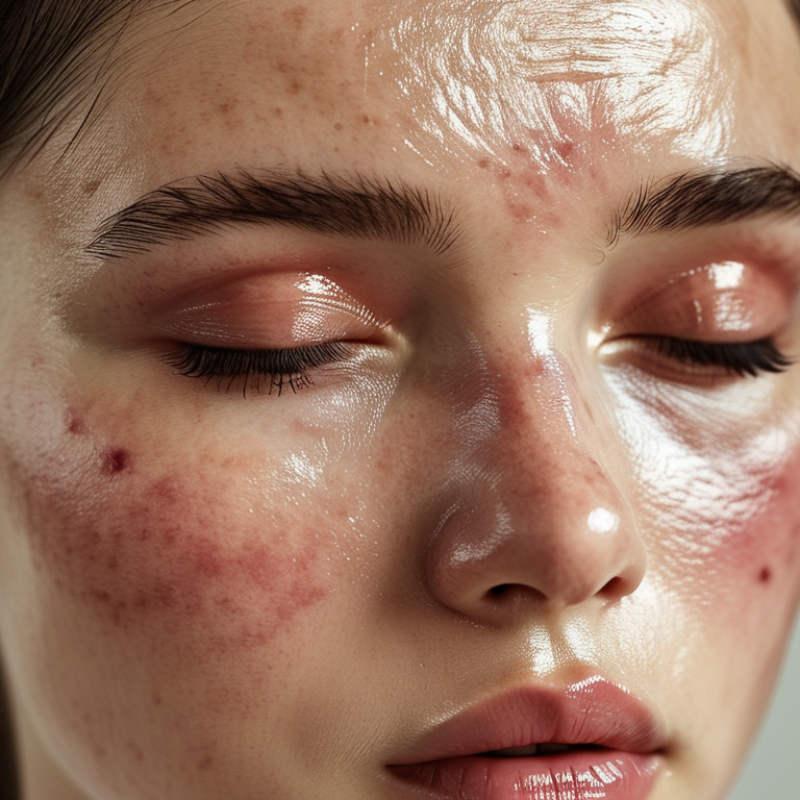
Afterward, redness, swelling, and small crusted marks can appear. These effects may look more noticeable before they improve. Healing times differ between individuals, especially around delicate areas. Your provider should explain cleansing, sun protection, makeup restrictions, and warning signs that require medical advice. Do not pick at the treated skin. It can affect healing.

A consultation matters.

Promotional photos rarely show every stage. The early recovery period may feel inconvenient, and improvement can develop gradually over several weeks. Some people need more than one session, while others may not be suitable candidates. Asking about the practitioner’s training, device settings, risks, and follow-up plan supports a safer, more informed decision.
Top Things to Expect During a Plasma Skin Tightening Session?

What Plasma Skin Tightening Is and How the Treatment Works

Top Things to Expect During a Plasma Skin Tightening Session?

Plasma skin tightening uses controlled electrical energy to create plasma. The plasma forms when energy ionizes gas near the skin surface. This produces precise heat, which can contract collagen fibers and stimulate gradual remodeling. Treatment settings vary by device, skin type, and treatment area. A qualified clinician should inspect pigmentation, scarring, medications, and healing history before treatment.

The session usually begins with cleansing and topical anesthetic. You may feel brief heat, snapping, or a sharp sting. Tiny brown points can appear across the treated skin. They may resemble pepper grains and usually shed during healing. Redness and swelling can last several days. I would not describe the process as painless. That description often creates unrealistic expectations.

The American Society for Dermatologic Surgery reported in its 2023 Consumer Survey that 70% of respondents were bothered by at least one facial or body concern. Meanwhile, the International Society of Aesthetic Plastic Surgery recorded more than 20 million nonsurgical procedures worldwide in its 2023 survey. These figures show strong demand, not guaranteed results. Evidence for plasma tightening remains promising but uneven, especially for loose skin. Improvement often develops gradually over weeks or months. One session may not be enough. Skin can also heal unpredictably, particularly after excessive energy or poor aftercare. Strict sun protection matters. Follow-up assessment is essential.

How to Prepare for a Plasma Skin Tightening Session

Preparing for a plasma skin tightening session begins with a careful consultation. The term “plasma” covers different energy devices and treatment settings. Ask which device is used, who operates it, and what evidence supports the plan. The American Society of Plastic Surgeons reported 25.4 million minimally invasive cosmetic procedures in 2023, but its statistics do not isolate plasma treatments. That distinction matters. Popularity is not proof of equal safety or results.

Share your medical history, allergies, pigmentation concerns, recent infections, and every medication or supplement. Ask whether retinoids, exfoliating acids, or blood-thinning medicines require adjustment. Never stop prescribed medicine without medical advice. Avoid tanning and intentional sun exposure before treatment. Arrive with clean skin and no active irritation. Take clear photographs in natural light. They make later comparisons more honest.

Request written aftercare instructions before the session. Clarify expected redness, swelling, crusting, downtime, and warning signs. The U.S. Food and Drug Administration warns that energy-based treatments may cause burns, pigment changes, infection, or scarring. Darker skin may need conservative settings and stronger pigment-risk planning. A 2022 review in Aesthetic Surgery Journal also noted inconsistent protocols and limited high-quality evidence for plasma-based tightening. I would not treat vague promises as clinical data. Results can be subtle, uneven, or temporary. Plan transportation if numbing medicine affects your comfort or vision. Small details matter.

What Happens During Each Stage of the Procedure

A plasma skin tightening session usually begins with a medical consultation. The practitioner reviews your skin, health history, medications, and healing risks. They should explain the device, treatment depth, expected swelling, and realistic outcomes. The American Society of Plastic Surgeons’ 2023 procedural statistics track skin resurfacing as a major minimally invasive category. However, plasma tightening is not reported as one uniform procedure, so published results can be difficult to compare.

During preparation, the skin is cleansed and photographed. A topical anesthetic may remain for about 30 to 60 minutes, depending on the treatment area. After removal, the practitioner marks the skin and tests your comfort. The handpiece then delivers controlled plasma points across selected zones. You may feel heat, pressure, or brief stinging. Tiny brown crusts can appear immediately. The American Academy of Dermatology emphasizes that treatment depth strongly affects redness, downtime, and healing.

Tips: Ask who will perform each stage. Confirm the device’s regulatory status and aftercare instructions. Do not judge results during the first week. Swelling can distort the appearance, sometimes unevenly. Keep the area clean, avoid picking crusts, and protect healing skin from sunlight. Follow-up timing differs, often around four to eight weeks. Results are not perfectly predictable. Skin tone, age, smoking, and aftercare can change recovery. Some claims sound stronger than the evidence, so a cautious consultation is wiser than a promise.

Sensations, Safety Measures, and Possible Immediate Effects

Top Things to Expect During a Plasma Skin Tightening Session

A trained, licensed professional should review your medical history before treatment. The skin is cleansed, photographed, and marked carefully. Protective eyewear is essential, especially near the eyes. A topical numbing cream may reduce discomfort, but it cannot remove every sensation. You might feel brief heat, tiny pinpricks, or a snapping feeling. Some areas feel sharper than others. I have found that anxiety can make mild sensations seem stronger, so clear communication matters.

Immediately afterward, treated skin may look red and swollen. Small brownish dots or crusts can appear where the plasma touched the surface. Mild warmth or tenderness may continue for several hours. These effects often improve gradually, but healing varies between people. Rarely, infection, prolonged redness, scarring, or darker or lighter pigmentation can develop. The procedure is not risk-free. A qualified provider should explain alternatives, possible complications, and when medical review is needed. Avoid treatment over active infections, and disclose medicines, skin conditions, pregnancy, or a history of poor scarring.

Tips: Arrive with clean skin and no makeup. Do not pick crusts. Follow the provider’s aftercare instructions closely. Use gentle cleansing and avoid unapproved products. Strict sun protection is important, although I sometimes underestimate how easily treated skin reacts to sunlight. Contact the clinic if swelling worsens, pain becomes severe, or discharge appears.

Top Things to Expect During a Plasma Skin Tightening Session? - Sensations, Safety Measures, and Possible Immediate Effects

Session Aspect What You May Experience Typical Timing Safety Measures or Considerations Possible Immediate Effects
Consultation and Skin Assessment The practitioner reviews medical history, skin type, treatment goals, medications, and the area to be treated. Before treatment begins Treatment should be postponed or avoided when there is active infection, open skin, uncontrolled inflammatory skin disease, or another relevant contraindication. No treatment effect yet; the skin may be photographed or marked for treatment planning.
Cleansing and Preparation The skin is cleansed and dried. Makeup, oils, and skincare products are removed from the treatment area. Several minutes The treatment area should be clean, and the practitioner should use appropriate hygiene and protective procedures. Temporary dryness or mild tightness may be noticed after cleansing.
Topical Numbing A topical anesthetic may produce coolness, tingling, or mild numbness before the device is used. Often 20–60 minutes, depending on the product and clinical protocol The product should be used only as directed and removed fully before treatment. Allergies and sensitivity should be discussed beforehand. Reduced sensitivity in the treated area; temporary redness can occur after removal.
Device Application Many people describe brief heat, snapping, pinprick-like sensations, or localized stinging as each area is treated. Sensitivity varies by body site and individual pain tolerance. Usually minutes to about an hour, depending on the size of the area Protective eyewear may be required when appropriate. The practitioner should use a suitable energy level and avoid unnecessary passes over the same area. Small treated points, warmth, redness, swelling, or a mild burning sensation may appear.
Pain and Comfort Monitoring Discomfort should remain manageable. The patient can request pauses, cooling, or an adjustment when discomfort is excessive. Throughout the procedure Unexpected severe pain, blistering, marked swelling, or a spreading burning sensation should be assessed immediately. Tenderness or heightened sensitivity may persist for several hours.
Cooling and Post-Treatment Care The practitioner may apply a soothing or protective product and provide instructions for gentle cleansing and moisturization. Immediately after treatment Avoid rubbing, picking, harsh exfoliants, and unapproved products. Follow the clinician’s specific aftercare instructions. A warm, tight, dry, or mildly irritated feeling is common immediately afterward.
Redness and Swelling Redness and mild localized swelling can occur, particularly in sensitive areas or after a more intensive treatment. Begins immediately; duration varies from hours to several days Sun exposure and excessive heat should generally be avoided during the early recovery period unless the clinician advises otherwise. Pink or red skin, puffiness, and temporary unevenness may be visible.
Small Crusts or Dots Some plasma-based procedures create tiny surface treatment points that may darken or form small crusts during healing. May appear shortly after treatment and shed naturally over several days Do not pick, scratch, or manually remove crusts, as this may increase the risk of infection, delayed healing, or post-inflammatory color changes. A speckled appearance, mild itchiness, dryness, or flaking may occur.
Pigment and Scarring Risk Temporary darkening or lightening can occur, especially in darker or recently tanned skin. Scarring is uncommon but possible when skin is injured or aftercare is inadequate. May develop during healing and can last weeks or longer A qualified professional should assess skin type, tanning history, scar tendency, and treatment suitability before proceeding. Color variation or prolonged redness should be reported if it worsens or does not improve.
Infection or Reactivation Warning Signs Increasing pain, warmth, pus, spreading redness, fever, or grouped blisters are not expected routine effects. Can occur during the first days after treatment Contact the treating clinician promptly. A history of cold sores should be disclosed because procedures may reactivate herpes simplex in susceptible individuals. Usually absent in an uncomplicated recovery.
Expected Visible Tightening The skin may look temporarily firmer because of swelling and contraction, but immediate appearance is not the final result. Early changes may be noticed soon after treatment; collagen remodeling develops gradually over subsequent weeks to months Results vary by age, skin laxity, treatment depth, healing response, and technique. Additional sessions may or may not be recommended after assessment. Temporary tightness or a smoother-looking surface may occur, but outcomes are not guaranteed.

Important: Plasma skin tightening procedures can carry risks, including burns, infection, pigment changes, prolonged redness, and scarring. A consultation with a qualified, licensed healthcare professional is recommended before treatment, and individualized aftercare instructions should take priority.

What to Expect During Recovery and Follow-Up Care

After a plasma skin tightening session, expect warmth, swelling, and tiny crusts. Redness may resemble mild sunburn. The American Academy of Dermatology notes that healing time varies with treatment depth, skin type, and aftercare. Clinical reviews in Dermatologic Surgery also report limited long-term data, with many studies involving small patient groups. Results are not perfectly predictable.

During recovery, keep the area clean and avoid picking crusts. Use only the products recommended by your qualified practitioner. Avoid direct sunlight, tanning, strenuous exercise, and irritating skincare until the skin barrier improves. Daily broad-spectrum sunscreen is essential after the surface has closed. The U.S. Food and Drug Administration has received reports involving burns, scarring, and pigment changes from some plasma-based cosmetic devices. Contact your provider if pain worsens, swelling spreads, discharge appears, or healing seems unusually slow. Do not wait for a scheduled appointment.

Tips: Take clear photos each day. Follow-up often occurs within one to two weeks, but timing depends on treatment intensity. Ask when makeup, retinoids, acids, and shaving can safely resume. A follow-up visit helps assess texture, pigmentation, and possible complications. It may also reveal that the original plan needs adjustment. That is normal, not failure.

FAQS

What happens during a plasma skin tightening consultation?

A qualified practitioner reviews your health history, medicines, skin condition, and healing risks. They should explain treatment depth, swelling, downtime, and realistic outcomes.

How is the skin prepared before treatment?

The skin is cleansed and photographed. A numbing cream may stay for 30 to 60 minutes. The practitioner then marks the treatment areas and checks your comfort.

What does the procedure feel like?

You may feel brief heat, pressure, tiny pinpricks, or snapping sensations. Some areas feel sharper. Anxiety can make mild sensations seem stronger.

What might the skin look like immediately afterward?

Redness, warmth, swelling, and tenderness are common. Tiny brown dots or crusts may appear across treated areas. It can resemble mild sunburn.

Is plasma skin tightening risk-free?

No. Possible complications include infection, prolonged redness, scarring, burns, and darker or lighter pigmentation. Ask about alternatives and warning signs.

What should be avoided during recovery?

Keep the area clean and avoid picking crusts. Avoid direct sunlight, tanning, strenuous exercise, and irritating skincare while the skin heals.

When should medical advice be requested?

Contact the provider if pain worsens, swelling spreads, discharge appears, or healing becomes unusually slow. Do not wait for a routine appointment.

When can results be judged?

Do not judge results during the first week. Swelling can distort the appearance, sometimes unevenly. Follow-up often occurs within one to eight weeks.

Can everyone expect the same recovery?

No. Skin tone, age, smoking, treatment depth, and aftercare can change healing. Results are not perfectly predictable. That deserves honest discussion.

What should be checked before booking treatment?

Ask who performs each stage, what device is used, and whether it has appropriate regulatory clearance. Confirm aftercare instructions and possible complications.

Conclusion

Plasma skin tightening is a minimally invasive cosmetic treatment that uses controlled plasma energy to create tiny points of heat on the skin’s surface. This process encourages the skin to contract and may support the natural production of collagen over time. Before the appointment, patients may be advised to arrive with clean skin, avoid certain irritating products, and discuss their medical history, medications, and expectations with a qualified professional. Understanding what to expect during a plasma skin tightening session can help reduce uncertainty and support proper preparation.

During the procedure, the skin is cleansed, a topical anesthetic may be applied, and the treatment area is carefully mapped before the device is used. Patients may feel warmth, brief stinging, or mild discomfort, while appropriate safety measures protect the surrounding skin. Temporary redness, swelling, or small crusts can occur afterward. Recovery usually involves gentle cleansing, avoiding sun exposure and picking at treated areas, and following aftercare instructions. A follow-up visit may be recommended to assess healing and discuss whether additional treatment is appropriate.

Isabella

Isabella

Isabella is a dedicated marketing professional with a sharp focus on driving brand growth and engagement through strategic content creation. With an extensive background in digital marketing, she combines her passion for storytelling with her keen understanding of industry trends to deliver......