2026 Top Cavitation Slimming Devices Can They Burn Fat?

Time:2026-10-20 Author:Aria
0%

In 2026, consumers still ask: does cavitation slimming really burn fat? The answer is more complicated than many advertisements suggest. Cavitation devices use ultrasound energy beneath the skin, aiming to disrupt selected fat cells. However, results vary with device settings, body area, treatment technique, and individual anatomy. The U.S. Food and Drug Administration states that non-invasive body-contouring procedures are not weight-loss treatments. They may reduce small, localized fat bulges, but they cannot replace nutrition, exercise, or medical weight-management care.

Industry demand remains strong. The American Society of Plastic Surgeons’ 2023 Plastic Surgery Statistics Report recorded continued consumer interest in non-invasive fat-reduction procedures. Yet popularity is not proof of effectiveness. A 2024 review in the journal Aesthetic Plastic Surgery also noted inconsistent evidence across ultrasound-based body-contouring studies. Some trials reported modest circumference changes. Others lacked long-term follow-up or used small participant groups.

Dr. Carolyn Jacob, a board-certified dermatologist and founder of Chicago Cosmetic Surgery and Dermatology, has stated, “Body contouring is not a weight-loss procedure.” That warning matters. A smaller tape measurement is not the same as meaningful fat loss. It may reflect localized cell disruption, fluid shifts, or measurement differences. The mirror can mislead.

This guide examines leading 2026 cavitation slimming devices, their clinical evidence, safety limits, and realistic outcomes. Readers should check independent testing, treatment credentials, and published data before purchasing. Some claims remain uncertain. That uncertainty deserves attention.
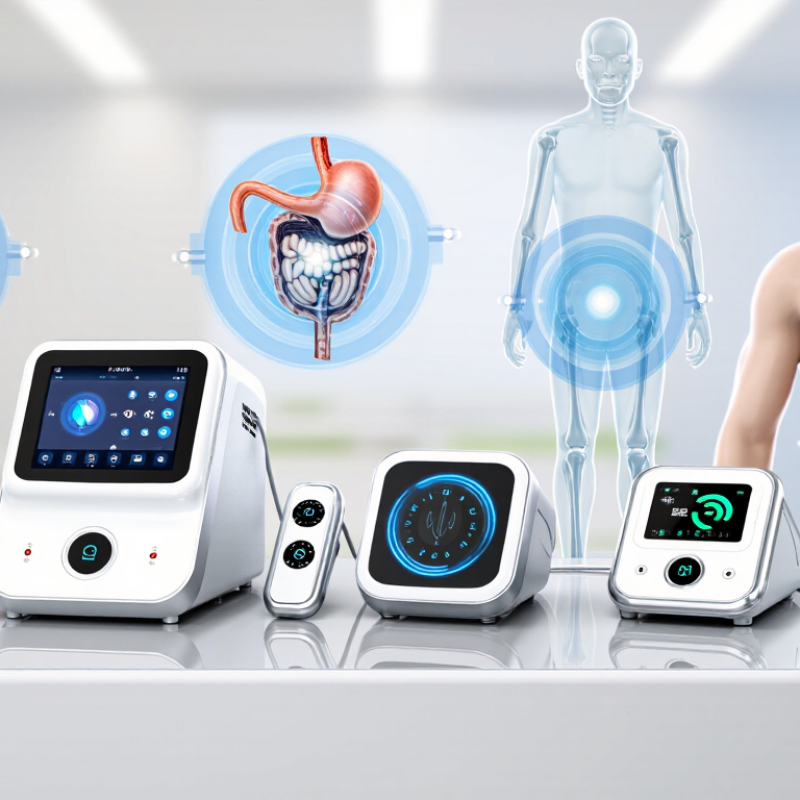
2026 Top Cavitation Slimming Devices Can They Burn Fat?

Cavitation Mechanism: How 30–70 kHz Ultrasound Targets Subcutaneous Fat

2026 Top Cavitation Slimming Devices: Can They Burn Fat?

Cavitation devices use low-frequency ultrasound, commonly between 30 and 70 kHz. The sound waves travel through the skin and create rapid pressure changes in the tissue. These changes may form tiny bubbles around subcutaneous fat cells. When bubbles collapse, they produce mechanical stress against cell membranes. The body then processes released cellular contents through normal metabolic and lymphatic pathways. This is not the same as burning fat for energy. Results can also differ between devices, treatment settings, and body areas.

Current evidence suggests that ultrasound cavitation may reduce small, localized fat layers. It does not replace exercise, nutrition, or medically supervised weight management. Some studies report modest circumference changes, but research quality remains uneven. I would treat dramatic before-and-after claims carefully. A trained professional should review medical history, skin condition, and treatment goals before use. People with certain implants, liver conditions, pregnancy, or unexplained abdominal symptoms may need to avoid treatment.

Tips: Choose a qualified provider and request clear information about frequency, intensity, and expected outcomes. Protect the skin from excessive heat and report pain, blistering, or unusual swelling immediately. Measure the same body area under similar conditions, because short-term fluid changes can mislead. Keep expectations realistic. A smoother outline is possible, but permanent weight loss is not guaranteed. More independent research is still needed.

2026 Top Cavitation Slimming Devices: Can They Burn Fat?

Cavitation mechanism: estimated ultrasound wavelength at 30–70 kHz in soft tissue

The chart uses a commonly cited soft-tissue sound speed of approximately 1,540 m/s. Wavelength is calculated as speed ÷ frequency. Lower frequencies produce longer wavelengths, while cavitation depends on acoustic pressure, exposure time, tissue properties, and equipment settings. Frequency alone does not prove that a device will burn fat or produce a specific amount of fat loss.

2026 Device Categories: Comparing Ultrasound, RF, and EMS Energy Outputs

Cavitation devices are not interchangeable. Ultrasound cavitation commonly uses low-frequency acoustic energy, often around 30–40 kHz, to stress adipose cells. Output power varies by applicator, coupling gel, and treatment area. The handpiece may feel cool. That is not the same as burning calories. The U.S. Food and Drug Administration states that non-invasive body contouring is not a weight-loss treatment, and results may be temporary.

RF uses electromagnetic energy rather than sound. Clinical systems often monitor skin temperatures near 40–43°C for controlled heating and collagen remodeling. Excessive heat can cause pain or burns, especially with poor contact or reduced sensation. EMS works differently. It delivers electrical pulses that trigger muscle contractions, with intensity measured through current, pulse width, and frequency. Stronger contractions do not automatically mean greater fat reduction.

The American Society of Plastic Surgeons’ 2023 procedural statistics recorded more than 300,000 non-invasive fat-reduction treatments in the United States, showing sustained demand. A 2024 systematic review in aesthetic medicine reported variable outcomes across ultrasound, RF, and electromagnetic technologies. Protocols differed significantly. That weakness matters. Operators should document temperature, pulse settings, skin response, and circumference changes. Photos can mislead. Many advertisements emphasize “energy” without reporting delivered dose, contact time, or measurement error. Those missing numbers deserve more attention.

Clinical Evidence: Reported 2–5 cm Circumference Reduction After Treatments

2026 Top Cavitation Slimming Devices: Can They Burn Fat?

Clinical reports sometimes describe a 2–5 cm reduction in body circumference after cavitation treatments. This result usually comes from repeated sessions, controlled measurements, and selected treatment areas. It does not mean the device removes five centimeters of pure fat. Circumference can also change through fluid shifts, temporary swelling reduction, posture, or measurement pressure.

Cavitation devices commonly use low-frequency ultrasound to affect fat cells beneath the skin. Laboratory findings are interesting, but clinical evidence remains limited and uneven. Some small studies report modest changes around the abdomen, hips, or thighs. However, study designs differ widely. Treatment settings, session numbers, participant health, and follow-up periods are rarely identical.

Measure carefully. Use the same tape position, body posture, and time of day. A trained practitioner should record baseline measurements and explain possible effects. Results may be less visible in people with loose skin or deeper abdominal fat. They are not a substitute for nutrition, movement, or medical weight management.

The numbers need context.

My practical concern is simple: a larger tape reduction can look impressive, yet fade within days. Longer-term evidence is still needed. People with medical conditions, pregnancy, implanted devices, or unexplained abdominal symptoms should seek qualified medical advice before treatment.

FDA Status and Safety Data: Why Cavitation Is Not a Weight-Loss Treatment

2026 Top Cavitation Slimming Devices: Can They Burn Fat?

Cavitation devices use low-frequency ultrasound to affect fat cells beneath the skin. Some studies report modest reductions in local circumference after several sessions. That is body contouring, not meaningful weight loss. The scale may barely move.

The FDA does not approve “cavitation” as one universal weight-loss treatment. It evaluates specific devices for specific uses, such as temporary circumference reduction. Clearance is not the same as approval for treating obesity.

Consumers should check the device’s exact FDA listing, intended use, and warnings. Marketing language can sound more certain than the evidence.

Safety data remain limited. Reported effects include redness, swelling, tenderness, bruising, and temporary numbness. Incorrect settings or poor technique may increase the risk of burns or tissue injury.

Treatment should be avoided over damaged skin, implanted electronic devices, or areas requiring medical evaluation. A qualified healthcare professional should review medical history before treatment.

The evidence is not perfect. Many studies involve small groups and short follow-up periods. Results also depend on diet, body composition, treatment technique, and measurement methods.

In clinical practice, a smaller waistline can be visible without a lower body weight. That distinction is easy to miss.

These devices may shape selected areas, but they should not replace nutrition care, physical activity, or medical weight-management treatment.

Device Selection Standards: Checking Power, Frequency, Certification, and Protocols

In 2026, cavitation slimming devices should be judged by evidence, not dramatic “fat-burning” claims. Ultrasound may disrupt selected fat cells, but it is not a weight-loss replacement. Results can vary with tissue thickness, hydration, treatment settings, and operator technique.

Power needs careful checking. Ask whether the stated wattage means maximum output or measured acoustic intensity. Higher power is not automatically safer or more effective.

Frequency also matters. A device may list 40 kHz, yet frequency alone cannot prove performance. Request test reports, calibration records, and clear operating limits. Small details matter.

Certification should be verifiable through the relevant regulatory authority, not only a printed logo. Confirm the exact model, intended use, and authorized treatment area. A reliable protocol should specify session length, treatment spacing, handpiece movement, skin contact, and monitoring steps. It should also screen for relevant medical conditions and document informed consent.

Real-world evaluation is less glamorous. Operators should record measurements, settings, comfort, and skin responses before each session. One uncomfortable lesson is that inconsistent technique can hide whether the device actually helped. A cautious provider explains possible swelling, tenderness, or limited results without promising permanent fat removal.

FAQS

Can cavitation treatments reduce body circumference?

Some clinical reports describe a 2–5 cm reduction after repeated sessions. The evidence is limited.

Does cavitation permanently remove fat?

Not necessarily. Low-frequency ultrasound may affect selected fat cells beneath the skin.

Which body areas have shown modest changes?

Small studies report changes around the abdomen, hips, and thighs.

How should circumference changes be measured?

Use the same tape position, posture, and time of day.

Does higher device power create better results?

No. Higher power is not automatically safer or more effective.

Is a listed ultrasound frequency enough to judge a device?

No. A frequency such as 40 kHz cannot prove performance alone.

What should a responsible treatment protocol include?

It should state session length, treatment spacing, handpiece movement, skin contact, and monitoring steps.

Who should seek medical advice before treatment?

People with medical conditions, pregnancy, implanted devices, or unexplained abdominal symptoms should seek qualified advice.

Conclusion

Cavitation slimming devices use low-frequency ultrasound, commonly between 30 and 70 kHz, to create pressure changes that act on subcutaneous fat cells. In 2026, the market includes ultrasound cavitation, radiofrequency (RF), and electrical muscle stimulation (EMS) systems, each producing a different energy effect. Ultrasound is designed to target localized fat, RF mainly delivers controlled heat to tissue, and EMS stimulates muscle contractions. Reported treatment outcomes may include a temporary or gradual 2–5 cm reduction in body circumference, but results vary according to the device, treatment protocol, and individual factors.

So, does cavitation slimming really burn fat? It may help reduce the appearance of localized fat, but it is not a weight-loss treatment and should not replace nutrition or exercise. Consumers should review available safety data, understand that regulatory clearance does not guarantee dramatic results, and select devices based on verified power settings, operating frequency, appropriate certification, and clearly documented treatment protocols. Professional assessment is recommended, especially for people with medical conditions or implanted devices.

Aria

Aria

Aria is a dedicated marketing professional with a deep passion for innovative strategies and a keen understanding of our company's product offerings. With a wealth of experience in the industry, Aria excels at crafting engaging content that highlights the unique features and benefits of our......