As the beauty industry evolves, many are curious about RF face lifting. This non-invasive procedure promises to tighten skin and reduce wrinkles. However, potential buyers should consider important factors. Dr. Julia Chen, a renowned dermatologist with over 15 years of experience, emphasizes, “Understanding what are the side effects of RF face lifting is crucial for informed decisions.”
RF face lifting utilizes radiofrequency energy. While many experience positive results, some report side effects. Common reactions include mild redness and swelling. These effects typically fade within a few hours. However, some individuals may face more serious issues. Skin irritation and burns are rare but possible.
It’s essential to consult a qualified expert. Every skin type reacts differently to treatments. Therefore, while RF face lifting can be effective, it's not for everyone. Each potential buyer must weigh the benefits against the side effects. Being informed and cautious is key. Understanding what are the side effects of RF face lifting ensures a safer, more satisfying experience.
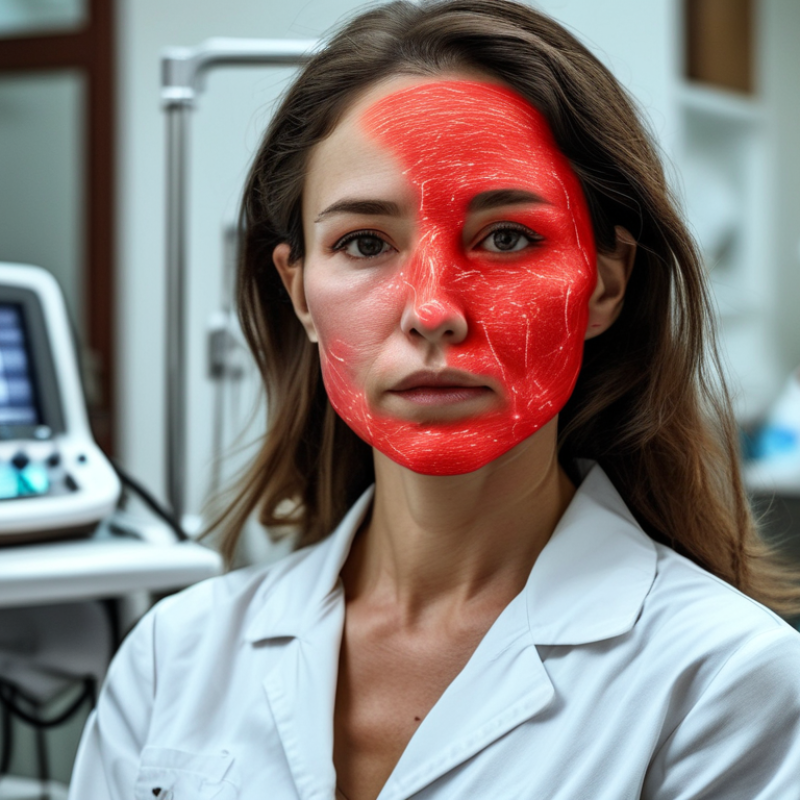
Understanding RF Face Lifting: An Overview of the Procedure
Radiofrequency (RF) face lifting is a popular non-invasive procedure aimed at tightening and rejuvenating the skin. This method uses energy waves to stimulate collagen production. As we age, collagen levels drop, resulting in sagging skin. RF face lifting addresses this by promoting new collagen growth, with studies indicating up to a 30% increase in skin elasticity post-treatment.
Throughout the procedure, patients may experience some sensations. Commonly reported effects include mild redness and swelling around the treated areas. According to recent surveys, around 10-15% of patients reported discomfort during the procedure. Some users have expressed concerns about the relationship between skin quality and RF effectiveness. It’s pivotal for practitioners to discuss realistic outcomes and potential limitations with clients before treatment.
Long-term side effects are rare but can occasionally occur. Some individuals experience temporary skin sensitivity or uneven texture. These nuances highlight the importance of selecting skilled professionals for RF face lifting. Ensuring proper technique and equipment usage is critical. Overall, while RF face lifting offers promising results, it’s essential for potential buyers to remain informed and cautious.
Common Side Effects Experienced After RF Face Lifting Treatment
Radiofrequency (RF) face lifting has gained popularity for its non-invasive approach to skin tightening and rejuvenation. Despite its benefits, potential side effects are essential to consider. Studies indicate that about 15-20% of patients experience adverse effects post-treatment. Commonly reported issues include redness, swelling, and discomfort at the treatment site. These effects are generally mild and resolve within a few days.
More serious complications, although rare, may occur. Some individuals report skin burns or blisters, resulting from excessive heat during the procedure. According to industry research, these incidents happen in approximately 1-2% of RF treatments. Patients should be aware that skin sensitivity can vary significantly. Factors such as skin type and existing conditions play a role in individual responses. It's crucial to consult qualified professionals to minimize risks.
Lastly, the psychological impact of perceived side effects should not be overlooked. Some patients may feel anxiety or disappointment if results do not meet expectations. Self-reflection on personal goals and realistic outcomes can foster a healthier outlook. Engaging in open discussions with practitioners can help set achievable expectations and enhance the overall experience.
Common Side Effects of RF Face Lifting Treatment
Factors Influencing the Severity of Side Effects from RF Face Lifting
RF face lifting is a popular non-invasive treatment that offers tightening and rejuvenation for the skin. However, potential side effects can vary significantly among individuals. Several factors influence the severity of these side effects, shaping the overall experience for buyers.
One key factor is skin sensitivity. Those with sensitive skin may experience more pronounced reactions, such as redness or swelling. Additionally, the treatment setting—a clinical environment versus a spa—can impact outcomes. Professionals with adequate training can provide safer experiences, minimizing adverse effects. The technology used also matters; newer devices may have features designed to reduce discomfort.
Another aspect is post-treatment care. Following guidelines for skincare helps in recovery and can mitigate side effects. Lifestyle choices play a role too. Stress and exposure to sun can exacerbate any reactions. Even individual health conditions, such as skin disorders, may influence how one responds to RF treatment. Being aware of these factors allows buyers to make informed decisions and prepare for possible outcomes.
Comparing RF Face Lifting Side Effects with Other Cosmetic Treatments
RF face lifting, often marketed for tightening and rejuvenating skin, has garnered attention as a non-invasive option. However, like any cosmetic procedure, it comes with potential side effects that users should consider. Common effects can include mild redness, swelling, and minor discomfort. These symptoms are generally temporary, but some might experience more pronounced reactions. It's important to consult a qualified professional for a thorough assessment.
Comparatively, other cosmetic treatments, such as fillers and Botox, also present risks. Fillers can lead to bruising and uneven results, while Botox may cause headaches or drooping. RF treatments tend to promise less downtime, but the trade-offs in sensation and skin response should not be overlooked. Each treatment carries unique side effects that potential buyers need to weigh against benefits.
Tips for anyone considering RF face lifting include conducting thorough research. Look for trustworthy practitioners with significant experience in RF technology. Don't hesitate to ask about previous patient experiences. Understand that everyone's skin reacts differently; what's suitable for one may not be for another. Prioritize your health and safety by having an open dialogue with your provider about your concerns.
Long-Term Effects of RF Face Lifting: What Buyers Should Know
Radiofrequency (RF) face lifting has gained popularity for its non-invasive approach to skin tightening. Many buyers seek immediate results; however, they should also consider long-term effects. Studies suggest that RF can boost collagen production, enhancing skin elasticity over time. This increase can lead to a more youthful appearance lasting several months.
A significant concern involves skin sensitivity after treatment. Reports indicate that about 25% of users experience redness or swelling, which may last for days. While these effects often subside, some individuals report ongoing sensitivity. Additionally, not all patients see the same level of improvement. Results can vary based on skin type, age, and overall health.
Patients should weigh these long-term effects carefully. Though RF treatments often come without downtime, potential risks exist. Industry experts emphasize the importance of consulting with professionals who understand individual needs. Understanding both immediate and extended consequences can help buyers make informed decisions. Each face is unique, and results may not be as predictable as hoped.
What are the side effects of RF Face Lifting for Buyers? - Long-Term Effects of RF Face Lifting: What Buyers Should Know
| Side Effect |
Description |
Frequency |
Duration |
| Skin Redness |
Temporary redness or warmth in the treated area. |
Common |
1-2 hours |
| Swelling |
Mild swelling in the treated area post-treatment. |
Occasional |
24-48 hours |
| Tightness |
Sensations of tightness or firmness in the skin. |
Common |
Days to Weeks |
| Hyperpigmentation |
Darkening of the skin in the area treated, usually temporary. |
Rare |
Weeks to Months |
| Pain or Discomfort |
Mild to moderate discomfort during and after treatment. |
Occasional |
Hours to Days |
FAQS
: RF face lifting is a non-invasive procedure that tightens and rejuvenates skin using energy waves.
It stimulates collagen production, which drops as we age, leading to sagging skin.
Patients may feel mild redness and swelling; discomfort is reported by 10-15% of users.
Long-term side effects are rare but can include temporary skin sensitivity or uneven texture.
RF has less downtime, but like fillers and Botox, it has potential side effects to consider.
Conduct thorough research and consult a qualified professional experienced in RF technology.
Yes, skin reactions vary greatly. What works for one person may not work for another.
Definitely. Understanding others' experiences can provide valuable insight into the procedure’s effectiveness.
Selecting a skilled professional is crucial. Proper technique impacts the outcome and reduces risks.
Have an open conversation with your provider about your concerns and realistic outcomes.
Conclusion
RF face lifting is a popular cosmetic procedure that uses radiofrequency technology to tighten and rejuvenate the skin. However, potential buyers often ask, "what are the side effects of RF face lifting?" Common side effects include mild redness, swelling, and discomfort immediately following treatment, which typically resolve quickly. The severity of these side effects can vary based on individual skin types, the specific technique used, and the expertise of the practitioner.
Additionally, it's important to compare the side effects of RF face lifting with other cosmetic treatments, as some may have more pronounced or longer-lasting adverse effects. Long-term impacts of RF face lifting should also be considered; while many experience sustained skin tightening benefits, understanding the full spectrum of side effects is essential for informed decision-making. Overall, potential buyers should weigh the benefits against the risks and be prepared for a range of post-treatment experiences.
 Lyens Beauty
