Lyens Beauty
As more people seek effective hair removal options, at-home laser treatments have gained popularity. According to a 2021 report by the American Society for Laser Medicine and Surgery, an estimated 30% of individuals now prefer at-home solutions over professional treatments. This trend emphasizes the importance of understanding how to use at home laser hair removal safely.
Many at-home laser devices promise convenience and affordability, but safety should always come first. Users must recognize that improper use can lead to skin irritation or burns. A study revealed that 15% of at-home laser users reported experiencing side effects, highlighting the need for proper education. Understanding skin types, conducting patch tests, and following manufacturer instructions are crucial steps in this process.
While gaining expertise in at-home solutions is appealing, it comes with responsibilities. Taking shortcuts often results in diminished outcomes, questioning the effectiveness of your methods. Continuous learning and cautious practice are necessary for achieving desired results without compromising safety.
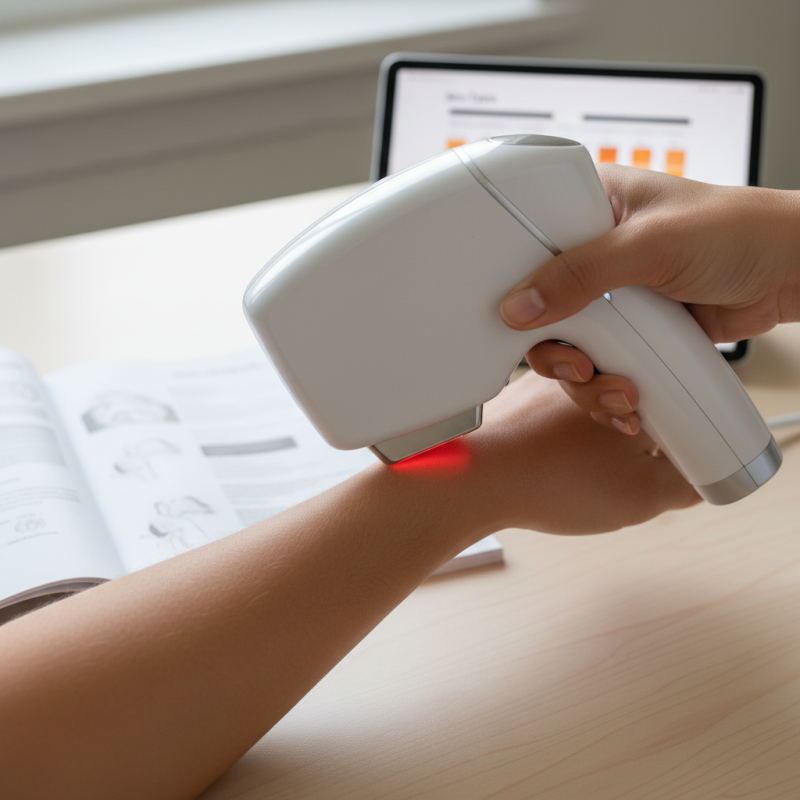
At-home laser hair removal offers convenience and privacy. However, safety should always come first. Start by selecting a device that has been FDA-approved. This reduces the risk of injury. Always read reviews and instructions before use. Follow guidelines to ensure you use the device correctly. Misuse can lead to burns or discoloration.
Before treatment, conduct a patch test on a small skin area. This helps to check for adverse reactions. If you notice any irritation, reconsider your method. Hair color and skin tone can affect results. Dark hair on lighter skin generally responds better to laser treatment. Adjust your expectations accordingly.
Skin preparation is essential. Shave the area to reduce hair length without affecting the follicle. Clean skin also helps in achieving better results. Moisturizers or lotions should be avoided before treatment. Lastly, consistency is key. Regular sessions lead to more effective results. However, be patient. It may take time to see noticeable changes.
When considering at-home laser hair removal, understanding the types of devices is crucial. Most options fall into two categories: traditional laser systems and intense pulsed light (IPL) devices. Laser systems emit concentrated beams targeting hair follicles. They tend to be more effective but may cause mild discomfort.
IPL devices, on the other hand, scatter light across a broader spectrum. They are often gentler, making them suitable for sensitive skin. Each type has its pros and cons, affecting results and comfort levels.
Many users find it challenging to select the right device. The effectiveness can vary based on hair color and skin tone. Dark hair on light skin responds best to laser treatments. However, those with lighter hair might have mixed results. Safety is another important aspect. Following instructions is essential to avoid irritation or burns. Testing the device on a small skin area helps gauge response. Users must also recognize that patience is key.
Hair may not vanish after the first few treatments. Consistency over weeks often yields the best results. Understanding these factors can help individuals make informed choices and achieve desired outcomes.
When considering laser hair removal at home, safety is paramount. It’s crucial to have a clear understanding of how to use the device properly. Always read the user manual before starting any procedure. Ensuring the laser is suitable for your skin type is essential. Mismatched settings can lead to burns or ineffective results. Patch testing a small area can help gauge your skin's reaction.
Wearing protective eyewear is often overlooked but is vital. The intensity of the laser can be harmful to your eyes. If possible, enlist a friend for assistance. They can help with hard-to-reach areas, ensuring even application and reducing the risk of missed spots.
Post-treatment care is equally important. Apply soothing gels to calm the skin afterwards. Monitor your skin for any unexpected reactions. If you notice excessive redness or blistering, consult a healthcare professional. Remember, everyone’s skin reacts differently. Being attentive can make all the difference in achieving safe and effective hair removal at home.
Preparing your skin before at-home laser hair removal is essential for effective results and safety. Start by exfoliating your skin a few days before treatment. This helps remove dead skin cells and reduces the risk of irritation. You can use a gentle scrub or a chemical exfoliant that suits your skin type. However, over-exfoliation can lead to sensitivity, so be careful not to overdo it.
Cleanliness is vital. Make sure your skin is free from lotions, oils, and perfumes on the treatment day. These products can interfere with the laser's effectiveness. Consider doing a patch test on a small area. It allows you to check your skin's reaction to the laser without risking larger areas. Pay attention to any unexpected reactions, like redness or discomfort.
Hydration plays a key role as well. Drink plenty of water leading up to your treatment to keep your skin nourished. After treatment, avoid sun exposure for several weeks to prevent pigmentation issues. It’s important to reflect on how your skin reacts. Not everyone will have the same experience, and adjustments may be necessary for different skin types. Always take notes on what works and what doesn’t for future sessions.
This chart illustrates the best practices for skin preparation before at-home laser hair removal treatments. The data represents the percentage of users who follow each recommended tip for optimal results.
Post-treatment care is crucial in ensuring skin safety after at-home laser hair removal. Studies indicate that approximately 30% of users experience adverse skin reactions. To mitigate this risk, applying a soothing aloe vera gel can greatly help reduce irritation. This natural remedy is known for its anti-inflammatory properties, promoting faster healing. Keeping the skin moisturized is vital; dry skin is more susceptible to damage.
Avoid direct sun exposure for at least two weeks after treatment. Sun can cause hyperpigmentation, worsening any redness or swelling. A report from the American Academy of Dermatology shows that individuals who protect their skin post-treatment are 50% less likely to develop dark spots. Always wear a broad-spectrum sunscreen when going outdoors. This simple step can protect sensitive areas effectively.
Monitoring skin's reaction is essential. Slight redness or swelling may occur, which usually resolves within a few days. If symptoms persist beyond a few days, consult a dermatologist. Not all skin types react the same way to laser treatment. Reflect on personal experiences and adjustments needed in your care routine. Remember, effective aftercare can significantly enhance your laser hair removal experience.
-approved device for home laser hair removal?
Conduct a patch test on a small skin area to check for irritation or adverse reactions.
Dark hair on light skin generally yields better results, while lighter hair may show mixed outcomes.
Shave the treatment area and ensure your skin is clean and free of lotions or moisturizers.
Regular sessions are essential for effective results, but patience is needed as changes may take time.
The laser's intensity can harm your eyes, making protective eyewear crucial for safety.
Monitor your skin, and if you notice excessive redness or blistering, consult a healthcare professional.
Yes, having a friend help can ensure even application and access hard-to-reach areas effectively.
Misunderstanding settings or neglecting patch tests can lead to burns or unsatisfactory results.
Apply soothing gels or creams to calm the skin and reduce any irritation following the treatment.
When considering how to use at home laser hair removal safely, it’s essential to understand the different types of devices available. Each device operates differently, so thorough research and understanding are crucial for effective and safe usage. Key safety precautions should always be prioritized, such as following manufacturers' instructions and conducting patch tests to check skin reactions.
Preparation before treatment is vital; ensure your skin is clean, shaven, and free from lotions or creams. Post-treatment care is equally important to maintain skin health and safety—moisturizing and applying soothing agents can help mitigate any irritation. By following these guidelines, individuals can effectively and safely navigate their at-home laser hair removal journey.