The quest for long-lasting solutions to unwanted hair has led many to inquire, "does professional laser hair removal permanently stop hair growth?" This method, which has gained popularity over the years, promises to reduce hair growth significantly. Dr. Emma Richards, a dermatologist with over a decade of experience. She states, “Laser hair removal can lead to long-lasting results, but individual experiences vary.”
The procedure works by targeting hair follicles with concentrated light. Many clients report satisfactory results after several sessions. However, not everyone achieves permanent hair removal. Factors such as skin type, hair color, and hormonal balance play a critical role in the outcome. Therefore, seeing a qualified professional is essential for effective treatment.
While laser hair removal is effective for many, it does not guarantee complete permanence. Some individuals may experience hair regrowth, sometimes lighter and finer than before. This inconsistency raises the question of its reliability as a permanent solution. Understanding the limitations and realistic expectations is vital for those considering this approach.
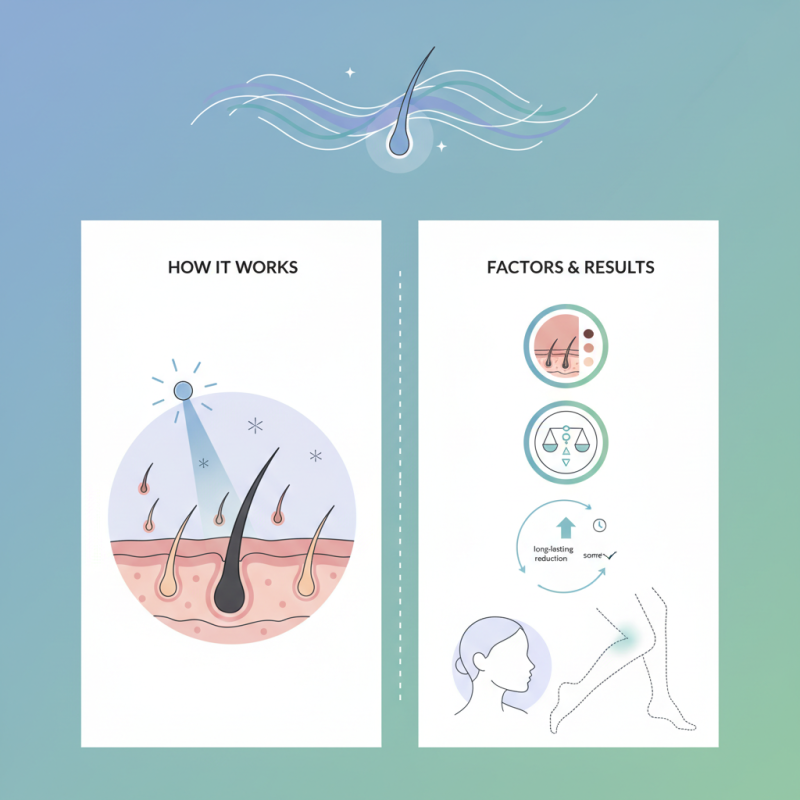
Understanding Professional Laser Hair Removal Techniques
Professional laser hair removal uses focused light to target hair follicles. This technique involves a specialized laser that emits energy, damaging the follicles. During a session, patients may feel slight discomfort, often described as a rubber band snap. Skilled technicians adjust settings based on skin tone and hair color for optimal results.
Understanding the physics behind laser hair removal is crucial. The effectiveness depends on the contrast between hair and skin. Dark hair is easier to treat, as the laser targets pigment. It's not a one-time solution. Multiple sessions are needed for lasting results, as hair grows in cycles. Some individuals may see regrowth after treatment.
Laser hair removal is not foolproof. Factors like hormonal changes and genetics can influence outcomes. Some may experience pigmentation changes or skin irritation. Regular consultations with professionals can provide personalized care and address concerns. It’s important to have realistic expectations. Embracing the journey is part of the process.
Effectiveness of Laser Hair Removal Over Multiple Sessions
The Science Behind Hair Growth and Laser Removal Effectiveness
Laser hair removal is a popular choice for those seeking long-term solutions for unwanted hair. The effectiveness of this treatment lies in its science. It targets hair follicles with precise wavelengths of light. This light energy is absorbed by melanin in the hair. The result? Damage to the follicles, which inhibits future growth.
However, the effectiveness of laser hair removal varies. Several factors play a role, such as hair color, skin type, and hormonal changes. Darker hair on lighter skin typically shows better results. Hormonal fluctuations can cause hair to grow back even after treatment. This unpredictability can be frustrating for many.
People often expect immediate results, but hair removal is a gradual process. Multiple sessions are required for optimal outcomes. Patience is key, and realistic expectations help during the journey. Consultation with a qualified professional ensures a tailored approach to individual needs.
Each person's experience can differ greatly, reminding us that commitment to the treatment is essential for achieving desired results.
Factors Influencing the Efficacy of Laser Hair Removal
The efficacy of professional laser hair removal is influenced by several key factors. Skin type plays a significant role. Darker skin tones may absorb more laser energy, affecting treatment outcomes. Conversely, lighter skin with dark hair tends to achieve better results. Studies indicate that individuals with light skin and dark hair can expect a 70-90% reduction in hair growth after completing a series of treatments.
Hair growth cycles are another important factor. Hair goes through phases: anagen (growth), catagen (transitional), and telogen (resting). Laser hair removal is most effective during the anagen phase. If multiple sessions target hairs in the wrong phase, results may be less effective. Data shows that typically, three to seven sessions are necessary for optimal results.
Moreover, hormonal factors can influence hair growth. Conditions like polycystic ovary syndrome (PCOS) may lead to increased hair growth despite laser treatments.
Individual responses to laser treatment also vary. Personal health, medications, and lifestyle choices can affect the overall efficacy. Reports indicate that while many experience significant hair reduction, some may require maintenance treatments even after completion. Recognizing these influencing factors is crucial for setting realistic expectations regarding laser hair removal outcomes.
Potential Side Effects and Considerations of Laser Hair Removal
Laser hair removal is a popular cosmetic procedure. It is often seen as a long-term solution for unwanted hair. However, potential side effects should be carefully considered.
After treatment, some people experience skin irritation. This can include redness, swelling, or slight discomfort at the treatment site. These effects usually fade within a few days. In some cases, changes in skin pigmentation may occur. Skin may darken or lighten, especially in those with darker skin tones. This is an important factor to keep in mind.
There may also be a risk of scarring or blistering. Such outcomes are rare but still possible. Individuals with certain skin conditions or a history of keloids should consult a dermatologist first. This helps to minimize risks. Overall, while laser hair removal can be effective, clients must weigh these potential side effects against their desire for smooth skin. Careful consideration is key.
What to Expect During and After Professional Laser Hair Removal Sessions
Professional laser hair removal is a popular choice for those seeking long-term hair reduction. During a session, a trained technician uses a laser to target hair follicles. This process may cause discomfort similar to a rubber band snap, but it is manageable. Most clients tolerate it well, especially with cooling devices in place.
After the session, some side effects are common. Skin may appear red and slightly swollen. These effects typically subside within a few hours. According to a study published in the Journal of Cosmetic Dermatology, about 80% of users experience significant reduction in hair growth after three sessions. However, multiple sessions are often necessary for optimal results, as hair grows in cycles.
Follow-up care is crucial. Avoid sun exposure and harsh skincare products for a few days post-treatment. Risks, although minimal, can include pigmentation changes and ingrown hairs. Understanding these aspects helps manage expectations. Many clients report satisfaction with the results but acknowledge that hair may not be permanently eradicated. This reality can prompt reflection on personal hair removal goals.
FAQS
: Skin type is significant. Darker skin may absorb more energy, affecting results. Lighter skin with dark hair is better.
Hair has phases: anagen (growth), catagen (transitional), and telogen (resting). Treatment is best during the anagen phase.
Most people require three to seven sessions for optimal results. This number can vary based on individual factors.
Yes, conditions like polycystic ovary syndrome (PCOS) can lead to increased hair growth despite treatments.
During a session, a laser targets hair follicles. Discomfort feels like a rubber band snap but is manageable.
Common side effects include redness and slight swelling. These usually subside within a few hours after treatment.
Follow-up care is crucial. Avoid sun exposure and harsh products for a few days post-treatment to prevent issues.
Many experience significant reduction in hair growth, but results are not always permanent. Some may need maintenance later.
Personal health and lifestyle choices affect efficacy. Some may achieve great results, while others reflect on their expectations.
It's vital to recognize many factors influencing outcomes. Understand your goals and be prepared for the treatment process.
Conclusion
The article "Does Professional Laser Hair Removal Permanently Stop Hair Growth?" explores the effectiveness of advanced laser techniques in hair removal. It delves into the science behind hair growth cycles and how laser energy targets hair follicles for effective removal. Various factors, such as skin type, hair color, and the number of sessions, influence the overall efficacy of the treatment.
Additionally, potential side effects and considerations are discussed, ensuring individuals are well-informed before undergoing procedures. Readers can expect a clear outline of experiences during and after professional sessions, helping them understand what to anticipate in their journey toward long-lasting hair reduction. Ultimately, the article provides valuable insights into whether professional laser hair removal can indeed lead to permanent cessation of hair growth.
 Lyens Beauty
