Lyens Beauty
Mild redness after HIFU treatment is common, but it can look alarming in the mirror. Many patients describe warm, flushed cheeks, slight swelling, or patchy pink areas within the first few hours. If you are asking, “why is my face red after hifu treatment,” the usual explanation is temporary skin irritation and increased blood flow caused by focused ultrasound energy. The skin may also feel tight, tender, or mildly sensitive to touch.
Most redness fades within several hours, although sensitive skin may need a few days. A cool, clean compress can provide gentle relief. Avoid rubbing, facial massage, hot showers, saunas, intense exercise, and alcohol during the early recovery period. Use a mild cleanser, a fragrance-free moisturizer, and broad-spectrum sunscreen when going outdoors. Keep the routine simple.
Do not assume every reaction is harmless. Redness that becomes stronger, spreads, or remains painful deserves professional assessment. Blisters, marked swelling, skin color changes, numbness, or fever require prompt contact with your HIFU provider or a qualified medical professional. Treatment settings, device quality, skin type, and aftercare all influence recovery. No single timeline fits everyone.
Advice from a licensed, experienced practitioner should guide your care, especially after treatment near the eyes or jawline. Online tips cannot replace an examination. It is also easy to over-treat irritated skin while trying to fix it. Gentle care is often safer than adding more products.
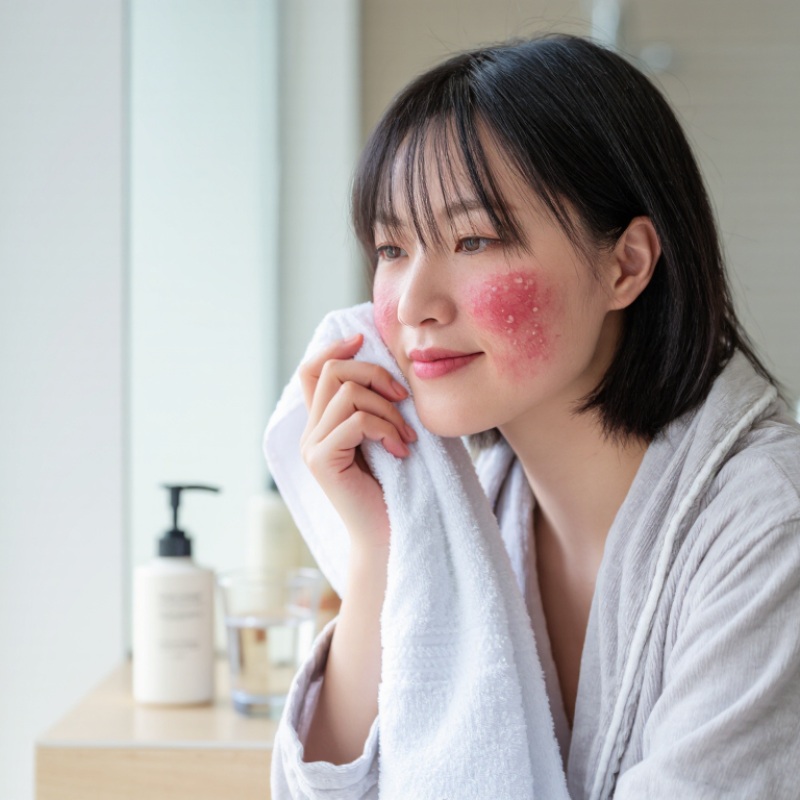
How to Reduce Redness After HIFU Treatment?
Redness after HIFU usually reflects a temporary inflammatory response. Focused ultrasound delivers heat beneath the skin, creating tiny thermal coagulation points. Nearby vessels may widen, making cheeks look flushed or uneven. Pressure from the applicator can add mild irritation. Sensitive skin, rosacea, recent exfoliation, and higher treatment intensity may increase redness.
Clinical evidence generally describes this reaction as mild and short-lived. A prospective facial rejuvenation study reported that erythema commonly appeared immediately and settled within several hours. A systematic review in Dermatologic Surgery also identified erythema, swelling, tenderness, and bruising as common temporary effects. Most resolved within days, although published studies use different devices and follow-up methods. The evidence is useful, but not perfect.
Tips: Use a cool, clean compress for ten minutes. Avoid rubbing, hot showers, saunas, vigorous exercise, and alcohol for 24 hours. Apply a bland moisturizer and broad-spectrum sunscreen. Do not use acids or retinoids until the skin feels calm. Persistent redness, increasing pain, blistering, numbness, or spreading swelling needs prompt clinical assessment. Treatment settings matter. Experienced providers should review skin sensitivity and recent procedures before treatment.
What Causes Redness After HIFU Treatment?
Simple explanation
Redness after HIFU is usually caused by temporary heat-related vasodilation and mild inflammation in the treated tissue. It commonly settles within several hours, while swelling or tenderness may last longer. To help reduce redness, use a cool compress, avoid heat, strenuous exercise, alcohol and direct sun exposure for the first day, and apply broad-spectrum sunscreen once the skin is comfortable. Do not rub or apply irritating products to the treated area.
The chart shows commonly reported clinical time ranges, not probabilities. Individual recovery varies by treatment intensity, skin sensitivity and treatment area. Seek medical advice if redness is severe, worsening, blistered or persists unusually long.
How to Reduce Redness After HIFU Treatment?
Immediate Steps to Calm HIFU-Related Redness
Mild redness after HIFU treatment is common, especially across the cheeks, jawline, or neck. It may feel warm, tight, or slightly tender. Start with a cool compress wrapped in a clean, soft cloth. Apply it for five to ten minutes, then pause. Never place ice directly on the skin. That can worsen irritation.
Keep your routine simple for the first day. Wash gently with lukewarm water and a fragrance-free cleanser. Pat your skin dry instead of rubbing it. Use a bland moisturizer if your skin feels tight. Avoid hot showers, saunas, intense exercise, alcohol, and direct sunlight. These can increase flushing. Skip exfoliating acids, retinoids, scrubs, and heavily scented products until the skin feels settled.
A small mistake can prolong redness. I have seen aftercare advice become too complicated, when gentleness usually works better. Do not massage treated areas unless your qualified practitioner permits it. Wear a wide-brimmed hat outdoors, and apply broad-spectrum sunscreen when your skin tolerates it. Redness often improves within several hours, but individual recovery varies. Contact your treatment provider if redness worsens, lasts beyond two days, or appears with blistering, marked swelling, severe pain, or unusual numbness. These signs need professional assessment.
| Immediate step | How to do it safely | Why it may help | Typical timeframe | Important cautions |
|---|---|---|---|---|
| Use a cool compress | Apply a clean, cool, damp cloth for about 10–15 minutes at a time. Keep the compress wrapped and avoid placing ice directly on the skin. | Cooling can temporarily reduce the sensation of warmth and visible flushing. | As needed during the first several hours. | Stop if the skin becomes numb, painful, pale, or increasingly irritated. |
| Keep the skin gently clean | Use lukewarm water and a mild, fragrance-free cleanser. Pat dry with a clean, soft towel rather than rubbing. | Reduces friction and avoids additional irritation while the skin is temporarily sensitive. | Immediately after treatment and for the next 24–48 hours. | Avoid scrubs, exfoliating brushes, and strongly scented products. |
| Apply a bland moisturizer | Use a simple, fragrance-free moisturizer recommended for sensitive skin, unless the treating professional gave different instructions. | Supports the skin barrier and may reduce dryness or tightness that can make redness feel worse. | After cleansing and whenever the skin feels dry. | Do not apply products that sting or contain active ingredients unless specifically approved. |
| Avoid heat and heavy exercise | For at least the rest of the day, avoid hot showers, saunas, steam rooms, hot tubs, and strenuous exercise. | Heat and increased blood flow can temporarily intensify flushing and discomfort. | Usually for 24 hours, or longer if advised by the provider. | Resume activities gradually once warmth and redness have settled. |
| Protect against sunlight | Limit direct sun exposure, wear a wide-brimmed hat, and use a broad-spectrum sunscreen suitable for sensitive skin when advised. | Sun exposure can worsen inflammation and prolong post-treatment discoloration. | Throughout the healing period and routinely afterward. | Follow the treatment provider’s instructions about when sunscreen may be applied. |
| Avoid rubbing and facial massage | Do not scratch, press, massage, or use facial tools on the treated area unless the provider specifically permits it. | Minimizes mechanical irritation while the treated tissue is sensitive. | Commonly for the first 24–48 hours, according to provider guidance. | Do not attempt to “work out” swelling or tenderness. |
| Pause irritating skincare products | Temporarily avoid retinoids, alpha-hydroxy acids, beta-hydroxy acids, scrubs, benzoyl peroxide, and alcohol-heavy products unless cleared by the provider. | These ingredients may increase stinging, dryness, or visible irritation after treatment. | Often 2–3 days, but restart only when the skin feels comfortable and the provider agrees. | Product restrictions may vary with treatment intensity and skin condition. |
| Follow individualized aftercare | Use only medications or soothing products recommended by the treating clinician, especially if swelling, pain, or sensitivity is present. | The provider can account for treatment depth, energy settings, skin type, and medical history. | From immediately after treatment through the recommended follow-up period. | Do not self-prescribe steroid creams, antibiotics, or numbing products. |
| Contact a medical professional when needed | Seek prompt advice if redness is severe, worsening, persistent beyond the expected recovery period, or accompanied by blistering, marked swelling, increasing pain, skin breakdown, weakness, or changes in sensation. | These symptoms may indicate a complication that requires assessment rather than routine home care. | Immediately for severe or rapidly worsening symptoms. | Seek emergency care for breathing difficulty, facial swelling involving the airway, or other signs of a serious allergic reaction. |
Mild redness and warmth can occur after HIFU and often improve within several hours to a few days. Recovery varies according to treatment settings, treatment area, and individual skin sensitivity. Always follow the specific aftercare instructions provided by the qualified treatment professional.
After HIFU treatment, redness often reflects temporary heat and mechanical stimulation. A systematic review of 16 clinical studies, published in Aesthetic Surgery Journal, identified erythema, swelling, tenderness, and discomfort as common short-term reactions. Most improved within several hours or a few days, but recovery varies.
Use a gentle, fragrance-free cleanser with lukewarm water. Pat your face dry. Do not scrub. A bland moisturizer containing glycerin, ceramides, or panthenol may reduce tightness and support the skin barrier. Apply a broad-spectrum SPF 30 or higher every morning. The American Academy of Dermatology recommends generous sunscreen use and reapplication outdoors, especially after procedures.
Keep it simple.
Avoid retinoids, exfoliating acids, alcohol-heavy toners, essential oils, and strong vitamin C products until sensitivity settles. Heat can worsen flushing, so pause saunas, hot yoga, steam rooms, and very hot showers. A cool compress may help, but never place ice directly on the skin.
The British Association of Dermatologists notes that irritated skin usually benefits from fewer products and gentle formulations. That advice is easy to ignore. More skincare does not mean faster healing. I once underestimated how quickly a “mild” exfoliant could sting compromised skin. If redness intensifies, lasts beyond the expected recovery period, or appears with blistering, numbness, or severe pain, contact the treating medical professional promptly.
Mild redness, warmth, or tenderness can appear after HIFU treatment. These effects often settle within several hours, but every skin type responds differently. Avoid hot showers, saunas, steam rooms, and heated exercise for at least 24 to 48 hours. These activities may increase flushing and discomfort. Keep your face cool, not frozen. A clean, cool compress can provide gentle relief without pressing treated areas.
Avoid vigorous exercise, facial massage, waxing, scrubs, and other energy-based treatments until your practitioner confirms they are suitable. Alcohol may worsen facial flushing, so limiting it during the first day is sensible. For skincare, pause retinoids, exfoliating acids, benzoyl peroxide, strong vitamin C products, essential oils, and fragranced formulas. These ingredients can sting sensitive skin. Use a mild cleanser, a simple moisturizer, and broad-spectrum sunscreen when going outdoors. Do not test several new products at once.
Tips: Keep pillowcases clean and avoid touching your face unnecessarily. Follow your clinician’s aftercare instructions, even when they differ slightly from general advice. I have found that people often restart active skincare too quickly; patience usually causes fewer setbacks. Contact your treatment provider if redness becomes more painful, spreads, blisters, or lasts longer than expected. Persistent swelling or unusual skin changes deserve professional assessment.
Mild redness after HIFU is common, especially across the cheeks, jawline, or forehead. It often fades within several hours, though sensitive skin may remain pink longer. Use a cool, clean compress for short periods. Wash gently with lukewarm water, and avoid scrubbing, saunas, hot showers, and strenuous exercise for the first day. Apply a broad-spectrum sunscreen when outdoors.
Persistent redness deserves closer attention. Contact your treatment provider if redness worsens, spreads, feels hot, or remains noticeable beyond the expected recovery period. Seek medical advice sooner if you develop increasing pain, marked swelling, blisters, crusting, drainage, or fever. These signs may indicate irritation, infection, or a less common treatment-related injury. Do not apply prescription creams, antibiotics, or strong exfoliants without professional guidance.
It is easy to blame every flare on HIFU, but that assumption can miss contact dermatitis or another skin problem. Take clear photographs in natural light and record when the redness began. Share your aftercare products and any recent treatments with a licensed clinician. If facial weakness, severe swelling, breathing difficulty, or rapidly worsening symptoms appear, obtain urgent medical care. A cautious review is better than waiting and hoping.
Yes. Mild redness, warmth, tightness, or tenderness may appear on the cheeks, jawline, or neck. It often improves within several hours.
Place a cool compress inside a clean, soft cloth. Apply it for five to ten minutes, then pause. Keep the skin cool, not frozen.
No. Direct ice may worsen irritation or discomfort. Use a wrapped compress instead.
Use lukewarm water and a fragrance-free cleanser. Pat your skin dry gently. Do not rub the treated areas.
Pause retinoids, exfoliating acids, scrubs, strong vitamin products, scented formulas, and essential oils. They may sting sensitive skin.
Avoid saunas, steam rooms, hot showers, and intense exercise for 24 to 48 hours. Heat can increase flushing and discomfort.
Use a mild cleanser and plain moisturizer. Apply broad-spectrum sunscreen outdoors when your skin tolerates it. Keep pillowcases clean.
Seek professional advice if redness worsens, spreads, or lasts beyond two days. Blistering, severe pain, marked swelling, or unusual numbness also need assessment.
Avoid massage, waxing, scrubs, and other energy-based treatments until your qualified practitioner approves them. Gentle care is usually safer, though recovery is not perfectly predictable.
Redness after HIFU treatment is usually a temporary response to focused ultrasound energy, which can cause mild inflammation, warmth, or increased blood flow in the treated area. If you are wondering, “why is my face red after hifu treatment,” the answer is often that your skin is naturally reacting as it begins the recovery process. To calm the area, use cool—not icy—compresses, keep the skin moisturized with gentle, fragrance-free products, and protect it from sunlight with suitable sunscreen.
During recovery, avoid hot showers, saunas, intense exercise, facial massage, exfoliating acids, retinoids, alcohol-based products, and other potentially irritating ingredients until your skin feels comfortable again. Do not scratch or rub the treated area, and follow the aftercare instructions provided by your qualified practitioner. Mild redness commonly improves within a short period, but seek medical advice if it becomes severe, painful, increasingly swollen, blistered, infected-looking, or does not gradually improve.
