 Lyens Beauty
Lyens Beauty
Lyens Beauty
Cleaning and sanitizing professional beauty machines is crucial in maintaining a hygienic environment. The beauty industry demands high standards. Adopting best practices promotes client trust and safety. When considering how to clean and sanitize professional beauty machines, it’s essential to understand the types of equipment involved. Each machine may have unique cleaning requirements.
Using appropriate cleaning agents is vital. However, not all products are safe for every surface. Missteps here could cause damage or compromise hygiene. Professionals should stay updated on manufacturer guidelines. Regular training can enhance knowledge on effective cleaning techniques.
Moreover, consistency in cleaning practices is often overlooked. Many may skip steps in a hurry. This could lead to a buildup of contaminants over time. Rethinking routines can improve overall sanitation standards. Taking the time to reflect on these practices is the first step toward excellence in service. Ultimately, understanding how to clean and sanitize professional beauty machines elevates the service provided.
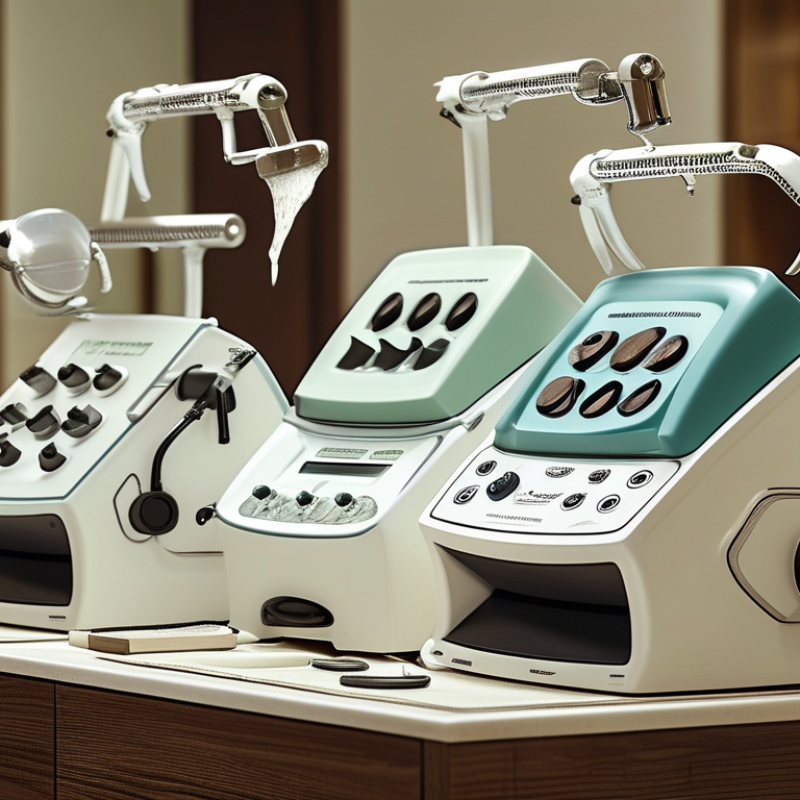
Cleaning and sanitizing beauty machines is critical in the professional beauty industry. Regular maintenance can prevent the spread of infections and ensure client safety. A recent report by the American Journal of Infection Control found that 22% of beauty service-related infections are linked to inadequate sanitation practices. This statistic highlights the urgent need for proper protocols.
Professionals must understand the types of contaminants that can reside on equipment. Bacteria, viruses, and fungi thrive in warm, moist environments. For instance, non-sterilized tools can harbor pathogens, jeopardizing client health. Following cleaning protocols that include using EPA-approved disinfectants is vital. Studies show that machines used in facials and treatments require daily sanitization. Yet, many salons fail to adhere to these guidelines.
Implementing a thorough cleaning schedule is essential, but it’s often overlooked. Staff may lack training, leading to improper usage of sanitizing agents. Enhancing employee education on cleaning protocols is crucial. Regular audits can also ensure compliance and improve practices. It is important to reflect on one’s methods and adapt as necessary to maintain a safe and healthy environment.
| Machine Type | Cleaning Method | Sanitizing Agent | Frequency of Cleaning |
|---|---|---|---|
| Facial Steamer | Wipe down with a damp microfiber cloth | Isopropyl alcohol (70%) | After each use |
| Microdermabrasion Machine | Clean suction tip with warm soapy water | Bleach solution (diluted) | Daily |
| Laser Hair Removal Machine | Wipe with disinfectant wipes | Ethyl alcohol (70%) | Before each session |
| Ultrasound Machine | Gently clean surface with a soft cloth | Hydrogen peroxide (3%) | Weekly |
| Electric Nail File | Remove debris and wipe down | Disinfectant spray | After each client |
: Disinfecting beauty machines prevents bacteria growth and extends equipment lifespan. Regular cleaning is essential for safety.
Use a soft cloth with suitable disinfectant. Focus on knobs, handles, and frequently touched areas for effective cleaning.
Always test disinfectant on a small area first. Avoid soaking electrical parts; dampen the cloth instead for safety.
Detachable parts like brushes should be sanitized regularly. Follow instructions for disassembly and specific cleaning methods.
Create a dedicated cleaning checklist for each treatment room. Mark tasks as completed to build consistency and reduce oversights.
Weekly deep-cleaning helps remove residues and check for damage. It can significantly improve overall hygiene and equipment condition.
Keep a cleaning log to track schedules and any issues encountered. Reflecting on this can identify recurring problems.
Yes, assigning specific team members for cleaning ensures consistency. This can help maintain hygiene standards over time.
Document any signs of wear or damage. Addressing these issues promptly can prevent further complications.
No cleaning routine is without flaws. Acknowledge mistakes and reflect for improvements. Adaptation is key to maintaining standards.
Cleaning and sanitizing professional beauty machines is crucial for maintaining hygiene and ensuring client safety. Understanding the importance of these practices lays the foundation for effective procedures. Essential tools and materials, such as appropriate cleaning agents and cloths, are necessary for achieving thorough sanitation.
A step-by-step guide is invaluable when tackling the cleaning of various types of beauty machines, while best practices for disinfecting surfaces and attachments help prevent cross-contamination. Establishing a regular cleaning schedule is also vital for adhering to optimal hygiene standards. By following these guidelines, professionals can confidently learn how to clean and sanitize professional beauty machines, ensuring a safe and welcoming environment for their clients.
