 Lyens Beauty
Lyens Beauty
Lyens Beauty
China’s laser hair removal market offers advanced devices, trained practitioners, and increasingly personalized treatment plans. Yet impressive technology does not guarantee permanent hair removal. The practical question is, “does professional laser hair removal permanently stop hair growth?” The honest answer requires careful wording. Laser energy targets melanin in active hair follicles and can significantly reduce regrowth. It does not reliably destroy every follicle forever.
Clinical experience shows that results vary by hair color, skin tone, hormones, treatment area, and device settings. Dark, coarse hair usually responds more clearly than pale or gray hair. Multiple sessions are normally needed because follicles grow in different cycles. Maintenance treatments may still become necessary. Small details matter. A reputable clinic should review medical history, medications, skin sensitivity, and previous reactions before treatment. It should also explain realistic outcomes instead of promising flawless permanence.
In China, consumers should evaluate the practitioner’s qualifications, device documentation, hygiene standards, and aftercare guidance. Evidence-based care includes a patch test, protective eyewear, suitable cooling, and conservative settings when appropriate. Experienced providers adjust energy levels rather than treating every skin type identically. That judgment matters, especially for deeper skin tones or recently tanned skin.
The phrase “permanent hair removal” can sound more definite than the evidence supports. “Permanent hair reduction” is often more accurate. Regrowth may appear finer, lighter, and slower, but hormonal changes can influence future results. This is where expectations need honesty. Laser treatment can be highly effective, but it is not magic. A qualified dermatologist or licensed professional can help determine whether the procedure suits your skin, hair, and health history.
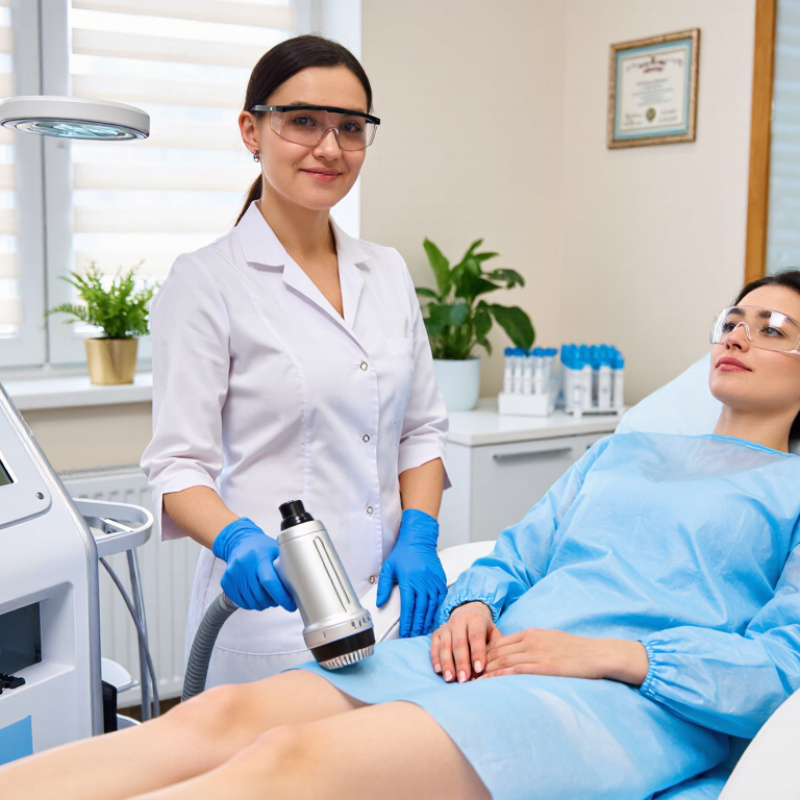
Laser hair removal uses concentrated light to reduce unwanted hair growth. The device emits energy absorbed mainly by melanin in the hair shaft. That energy changes into heat and travels toward the follicle. When the follicle is heated correctly, its growth ability can weaken.
Hair grows in cycles. Laser energy works best during the active growth stage, so one treatment cannot reach every follicle. Several sessions are usually needed, spaced according to the treatment area and hair pattern.
Dark, coarse hair often responds more clearly than fine or light-colored hair. Skin tone also matters. A trained practitioner should adjust the settings, protect the eyes, and complete a patch test when appropriate.
The word permanent can mislead. Most people experience long-term hair reduction, not a guarantee that every hair disappears forever. Hormonal changes may stimulate new growth later. Some people also need occasional maintenance sessions. I have seen expectations cause more disappointment than the treatment itself. Results vary.
Temporary redness, warmth, or mild swelling can occur around each follicle. These effects often resemble tiny raised dots and usually settle quickly. Sun exposure before or after treatment may increase skin irritation or pigment changes, so professional aftercare guidance is important. A medical history review is useful, especially for sensitive skin, recent tanning, or medicines that increase light sensitivity.
No. It usually creates long-term hair reduction, not guaranteed total removal forever. Some follicles may become active again.
Laser energy works best during the active growth phase. Hair grows in cycles, so one session misses many follicles. Timing matters.
Many people need two to six sessions, while others need six or more. Results depend on hair, skin, hormones, and treatment settings.
Sessions are often spaced four to eight weeks apart. The interval changes by body area and hair-growth speed.
Hair may shed within one to three weeks. Regrowth often becomes finer, lighter, and slower. It may look uneven at first.
Dark, coarse hair generally absorbs laser energy more effectively. Blonde, gray, and red hair may respond less reliably. Results can disappoint.
It can be safe with careful wavelength selection, cooling, and a small test area. Incorrect settings may cause burns or temporary pigment changes.
A qualified practitioner should review medical history and recent sun exposure. They should inspect the skin, explain risks, and use protective eyewear.
Maintenance is common because hormones, age, or medicines can stimulate new growth. Some people return every six to twelve months. Others need less frequent care.
Laser hair removal uses concentrated light energy to target melanin in the hair, heating the follicle and gradually reducing its ability to produce new growth. Leading devices in China can be evaluated by their wavelength options, cooling systems, energy control, treatment consistency, safety features, and suitability for different skin and hair types. With repeated sessions, hair typically becomes finer, lighter, and less dense because the treatment is most effective during the active growth phase.
The question “does professional laser hair removal permanently stop hair growth” requires a balanced answer. Professional treatment can provide long-term hair reduction, but it may not guarantee complete or permanent removal for everyone. Results depend on hair color, skin tone, hormonal factors, treatment settings, and adherence to the recommended schedule. Some people may need occasional maintenance sessions as new or dormant hairs appear. Proper assessment, qualified operation, eye protection, cooling, and aftercare are important for improving results and reducing the risk of irritation or pigmentation changes.
