What is the Best Temperature for Fat Freezing Machine?

Time:2026-08-26 Author:Amelia
0%

The topic of fat freezing machines has gained significant attention in recent years. As people seek effective ways to reduce fat, understanding the technology behind it is crucial. One of the most common questions asked is, “what is the best temperature for fat freezing machine?” This question is essential, as achieving the correct temperature maximizes effectiveness while ensuring safety.

Fat freezing, or cryolipolysis, works by targeting fat cells without harming surrounding tissues. Many factors influence the optimal temperature, including individual body types and treatment areas. The right temperature can facilitate the crystallization of fat cells, leading to their natural elimination from the body. However, striking the balance is not always straightforward. It's vital for practitioners to be trained and knowledgeable in this area.

Exploring this topic requires a blend of expert insight and real-world experience. Mistakes can be common in this field, as some may underestimate the importance of temperature control. A thorough understanding of fat freezing machines can significantly improve outcomes for clients. Therefore, the need for reliable information on “what is the best temperature for fat freezing machine” cannot be understated.
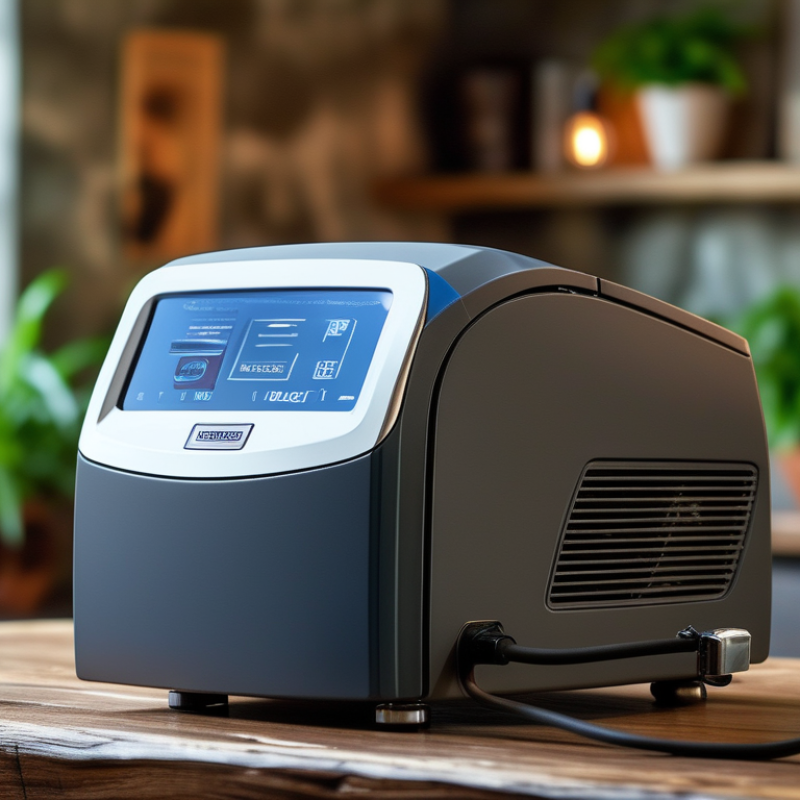
What is the Best Temperature for Fat Freezing Machine?

Understanding Fat Freezing: The Science Behind Temperature Control

Fat freezing, or cryolipolysis, relies heavily on precise temperature control to effectively reduce fat. This technique targets fat cells by exposing them to temperatures around -10 to -12 degrees Celsius. This chilling process causes the fat cells to crystallize and gradually die off. The body then naturally metabolizes and eliminates these dead cells over several weeks.

Understanding the science behind temperature control is essential. The goal is to achieve a safe yet effective cooling level that destroys fat without harming surrounding tissues. Proper calibration of the fat freezing machine is important. Too high or too low of a temperature can lead to inefficient results or adverse effects. This delicate balance requires expertise and careful monitoring during procedures.

Despite advancements in the technology, not all systems deliver consistent results. Variations in individual body composition may mean some patients experience different outcomes. Practitioners must assess patients carefully to tailor the treatment effectively. Continuous research is needed in this area to improve effectiveness and minimize complications. Temperature control is a fundamental aspect that dictates the success of fat freezing.

Optimal Temperature Range for Fat Freezing Machines Explained

When it comes to fat freezing machines, finding the optimal temperature is crucial. The best results generally occur within a range of -5°C to -10°C. This is the temperature at which fat cells crystalize without harming surrounding tissues. At these temperatures, the cooling process targets only the fat, allowing for better contouring and reduction.

However, achieving the ideal temperature isn’t always straightforward. Some machines might not maintain consistent cooling, leading to variations in effectiveness. Practitioners must monitor the temperature closely. Variations may result from factors like skin type or treatment area. Understanding these nuances is key to achieving the best outcomes.

Another aspect worth considering is individual responses to treatments. Not everyone's body responds identically to the same temperature range. Some may experience uneven fat loss or prolonged recovery. This inconsistency highlights the importance of a tailored approach. Each session should be adjusted based on patient feedback and results. This will ensure that you are getting the most out of the treatment, regardless of temperature variables.

Factors Influencing Temperature Settings in Fat Freezing Procedures

Temperature is a critical factor in fat freezing procedures. The ideal temperature typically ranges from -5°C to -11°C. This range effectively crystallizes fat cells while preserving surrounding tissues. Different individuals may respond differently to specific temperatures. Customized settings may be necessary for optimal results.

Several factors influence temperature settings in fat freezing. The thickness of the targeted fat layer plays a significant role. Thicker layers may require a more prolonged exposure to lower temperatures. The patient's skin type and sensitivity can also affect the choice of temperature. Additionally, the specific area being treated can determine the best settings.

It’s essential to monitor the patient's comfort during the procedure. A balance must be struck between effective fat freezing and the individual’s comfort levels. Understanding these nuances is vital for achieving desired outcomes. Personalization of temperature settings is not just beneficial but may also prevent complications. Every treatment should consider these variables for safe and effective results.

What is the Best Temperature for Fat Freezing Machine? - Factors Influencing Temperature Settings in Fat Freezing Procedures

Factor Optimal Temperature (°C) Recommended Duration (minutes) Comments
Skin Thickness -10 to -13 45 Thicker skin may require longer exposure.
Fat Layer Composition -8 to -12 30-60 Higher fat content may necessitate lower temperatures.
Cooling Method -5 to -10 35 Different methods affect efficacy and comfort.
Patient Tolerance -10 to -15 20-40 Consider patient comfort for longer treatments.
Area of Treatment -8 to -12 30-60 Different areas may respond differently to cooling.

Safety Considerations When Using Fat Freezing Machines

When using fat freezing machines, safety is paramount. The effectiveness of these devices largely relies on maintaining optimal temperature ranges. Research indicates that a temperature between -5°C to -10°C is ideal for fat cell apoptosis. Exposure outside this range can lead to ineffective results or even skin damage. Overexposure to lower temperatures can risk frostbite, while insufficient cold will not eliminate fat effectively.

Users must also be aware of potential side effects. Reports show that bruising occurs in about 10-20% of treatments. This varies by individual skin sensitivity and health conditions. In some cases, people experience discomfort or nerve pain after treatment. Long-term studies indicate that while most side effects are temporary, caution is advised. Always consult a qualified practitioner to assess personal health risks.

Moreover, understanding skin thickness is crucial. Thicker skin may require lower temperatures, while thinner skin can be at higher risk for injury. Each individual reacts differently, so customization of treatment is vital. Practitioners should encourage open dialogue with clients about concerns and expectations. Clear communication can make the experience safer and more effective.

Comparing Different Fat Freezing Technologies and Their Temperature Needs

When considering fat freezing technologies, temperature plays a crucial role. Different methods require specific temperatures for optimal results. For instance, cryolipolysis usually operates between -10°C and -12°C. This range effectively targets fat cells while preserving surrounding tissues. Many studies support this temperature range as the most effective for reducing fat volume.

Another method, known as laser-assisted fat freezing, operates at a slightly higher temperature, around 5°C to -5°C. Although this method is less common, it offers distinct advantages. The laser heats the area before cooling it, which can enhance fat reduction. However, there's less research available on this technique, raising questions about its long-term effectiveness.

Practitioners must be cautious. Temperature settings that are too low can lead to skin damage. Conversely, settings that are too high may not yield significant results. Each technology has its own set of risks and benefits. Understanding the specific needs of a client's body is essential. Each method can lead to different outcomes based on individual circumstances. This consideration is essential for ensuring safety and effectiveness in fat freezing treatments.

What is the Best Temperature for Fat Freezing Machine?

This chart illustrates the optimal temperatures required for different fat freezing technologies. Cryolipolysis requires the lowest temperature at -8°C, followed by Laser Lipolysis at -5°C. Ultrasound Fat Reduction operates closer to 0°C, while Injection Lipolysis does not require cooling and is at around 0°C.

FAQS

: What is fat freezing?

: Fat freezing, or cryolipolysis, targets fat cells by exposing them to low temperatures.

What temperature is optimal for fat freezing?

The ideal temperature ranges from -5°C to -10°C for effective fat cell crystallization.

How does fat freezing work?

Fat cells crystallize at low temperatures, causing them to die off naturally over several weeks.

Can everyone expect the same results from fat freezing?

No, individual body compositions can lead to different outcomes and responses to treatment.

What factors influence the temperature settings during fat freezing?

Factors include fat layer thickness, skin type, sensitivity, and the specific treatment area.

Why is temperature control important in fat freezing?

It ensures effective fat cell destruction while protecting surrounding tissues from damage.

How can practitioners ensure the best fat freezing results?

Practitioners should tailor treatment based on individual assessments and monitor patient feedback.

What challenges can arise during fat freezing procedures?

Inconsistent cooling from machines and varying skin types can affect treatment effectiveness.

What should patients expect regarding recovery?

Recovery times can vary, with some experiencing prolonged recovery or uneven fat loss.

Why is continuous research necessary in fat freezing?

Continuous research helps improve treatment effectiveness and minimize complications encountered.

Conclusion

The article "What is the Best Temperature for Fat Freezing Machine?" delves into the science of fat freezing, emphasizing the critical role temperature control plays in the effectiveness of these machines. The optimal temperature range for fat freezing is crucial, typically falling between -5 to -10 degrees Celsius, which maximizes fat cell apoptosis while protecting surrounding tissues. Additionally, the article discusses various factors that can influence temperature settings, such as individual body composition and treatment area, which must be customized for effective results.

Safety considerations are paramount when using fat freezing machines, as improper temperature settings can lead to adverse effects. The article also compares different fat freezing technologies and their specific temperature requirements, providing a comprehensive overview for individuals interested in these procedures. In summary, understanding "what is the best temperature for fat freezing machine" is essential not only for achieving desired outcomes but also for ensuring patient safety during treatment.

Amelia

Amelia

Amelia is a seasoned marketing professional with a wealth of expertise in our company’s core offerings. With an unwavering passion for driving growth and innovation, she plays a pivotal role in shaping our marketing strategies and enhancing brand visibility. A key aspect of her responsibilities......