Lyens Beauty
Fractional CO2 laser treatment creates controlled microscopic injuries to refresh the skin. The healing phase matters. Redness, warmth, tightness, and tiny crusts can appear as the surface repairs itself. Knowing what to do after co2 fractional laser treatment helps protect that recovery and lower the risk of irritation or infection.
The American Academy of Dermatology advises patients to follow their clinician’s wound-care instructions and protect healing skin from the sun. The American Society of Plastic Surgeons’ annual procedural statistics also track laser skin resurfacing, reflecting its established place in cosmetic care. These sources offer useful context, but they cannot replace advice tailored to your treatment settings and skin. Your clinic’s instructions come first.
Dermatologist Dr. Shari Marchbein’s published aftercare guidance emphasizes gentle cleansing, moisturization, and sun protection after resurfacing. The practical lesson is simple: don’t scrub, peel, or rush back to active skincare. A soft, clean towel is safer than rubbing. A cool room can feel soothing. Healing is not always tidy.
This guide covers ten practical steps, from cleaning the treated area to choosing when to restart retinoids. It also flags symptoms that deserve a call to your clinician. Recovery varies. Even sensible routines may need adjustment, so check before changing prescribed care.
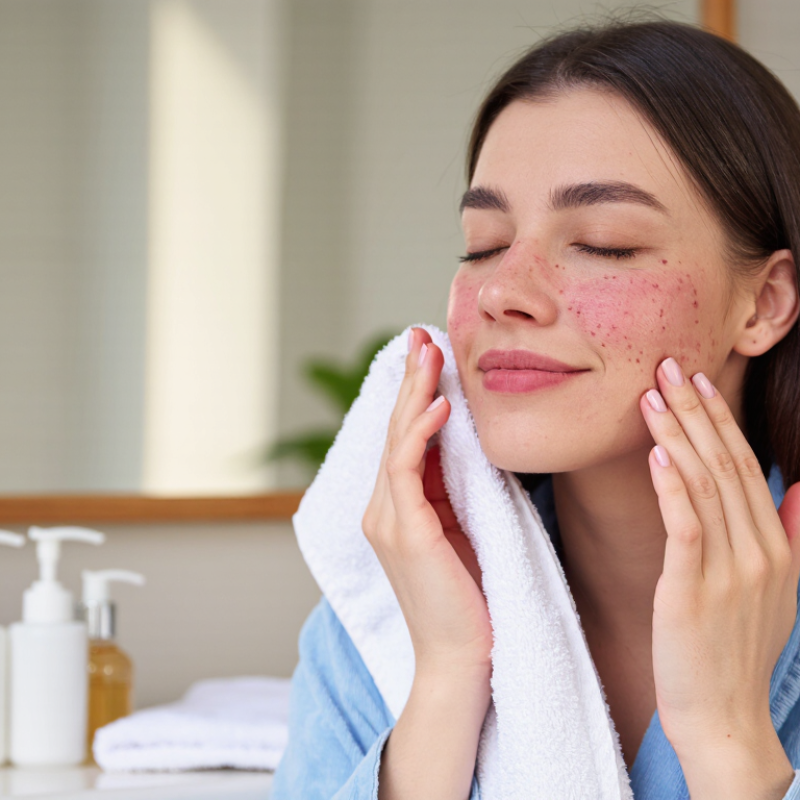
After fractional CO2 laser treatment, the skin may feel hot, tight, and unusually sensitive. During the first 24 hours, keep care gentle and follow the instructions from your treating clinician. Their plan may differ based on treatment depth and your skin’s response. Keep it simple.
Before touching your face, wash your hands. If cleansing is allowed, use cool-to-lukewarm water and a mild, fragrance-free cleanser, without washcloths or scrubbing. Rinse softly, then pat the skin dry with clean gauze or a freshly washed towel. Don’t rub. Even a familiar cleanser may sting on freshly treated skin, so stop if irritation increases and contact your clinic for guidance.
Apply a thin layer of plain petrolatum if your clinician recommends it. Use clean fingertips, and reapply as directed when the skin feels dry; a thick, heavy coating is not automatically better. Avoid picking at rough areas, makeup, exfoliants, retinoids, and fragranced products during this early period. It can feel odd to leave the skin alone when it looks patchy, but less handling usually means less irritation. Contact your treatment provider promptly for worsening pain, spreading redness, pus, fever, or eye symptoms.
After fractional CO₂ laser treatment, skin often feels hot, tight, and unusually dry. Keep it gently moist. Use the bland ointment or moisturizer recommended by your clinician, applying it with clean hands when skin feels tight. A review of laser resurfacing by Alexiades-Armenakas and colleagues in the Journal of the American Academy of Dermatology describes recovery after ablative treatments as lasting several days, with healing time affected by treatment depth. A 5–10-day healing window is common, not a guarantee. Redness can linger after the surface has closed.
Keep cleansing simple. Wash with lukewarm water and a gentle cleanser, then pat dry with a clean, soft towel. Don’t rub, scrub, or peel flakes. Let them lift naturally. Skip retinoids, exfoliating acids, and fragranced products until your treating clinician says they’re safe to restart. Avoid direct sun; once the skin can tolerate it, use broad-spectrum sunscreen and protective clothing. Too much sun can worsen irritation and discoloration.
Moisture should soothe, not sting. If a product burns, stop using it and contact your clinician for advice. Follow your clinic’s specific wound-care instructions, since treatment settings and skin responses differ. Increasing pain, spreading warmth, pus, fever, or worsening swelling needs prompt medical attention. The American Academy of Dermatology advises contacting a dermatologist about unexpected reactions after cosmetic procedures; don’t wait for the usual healing window if symptoms are getting worse.
Healing time varies with treatment depth, skin type, and individual response. Follow your treating clinician’s instructions, which take priority over general guidance.
| # | Aftercare step | What to do | Why it matters / timing |
|---|---|---|---|
| 1 | Follow your personalized care plan | Use the cleansing, dressing, and ointment routine provided by your laser clinician. Contact the clinic if any instructions are unclear. | Treatment settings and wound-care protocols differ; your clinician can tailor advice to your procedure and skin. |
| 2 | Cleanse gently | Wash hands first. Clean the treated area gently with the cleanser and method recommended by your clinician, then pat dry with a clean, soft towel. | Gentle cleansing helps keep the area clean without rubbing or disrupting fragile healing skin. |
| 3 | Keep the skin comfortably moist | Apply the bland ointment or moisturizer recommended by your clinician as directed. Reapply as advised if the skin becomes dry or tight. | A moist wound environment can support surface healing and reduce excessive dryness. Do not add new products without checking first. |
| 4 | Use cool comfort measures if approved | For temporary warmth or swelling, use a clean, cool compress if your clinician permits. Do not put ice directly on treated skin. | A cool compress may ease discomfort; direct ice or excessive pressure can injure sensitive skin. |
| 5 | Keep hands off flakes and crusts | Do not pick, scratch, peel, or scrub the treated area. Let flakes and small crusts loosen on their own during gentle cleansing. | Picking can delay healing and may increase the risk of infection, scarring, or pigment changes. |
| 6 | Pause irritating skin-care products | Avoid retinoids, exfoliating acids, scrubs, benzoyl peroxide, and other potentially irritating products until the skin has healed and your clinician says they may be restarted. | Recently treated skin is more sensitive. Restarting too soon may cause irritation or prolong recovery. |
| 7 | Protect healing skin from the sun | Stay out of direct sun and use shade and a wide-brimmed hat. Once the skin surface has healed, ask your clinician when to start a broad-spectrum sunscreen. | Sun exposure can worsen redness and raise the risk of uneven pigmentation, especially while skin is healing. |
| 8 | Wait before applying makeup | Avoid makeup on treated areas until the surface has closed and your clinician confirms it is safe to resume. | Applying cosmetics over open or fragile skin may irritate it or introduce contaminants. |
| 9 | Limit heat and strenuous activity at first | Follow your clinician’s advice about exercise, hot showers, saunas, and swimming. Avoid activities that significantly heat, sweat, or expose the treated area while it is raw or weeping. | Heat, sweat, and soaking may aggravate discomfort or interfere with the care routine during early recovery. |
| 10 | Monitor healing and seek advice for warning signs | Contact your clinician for increasing pain, spreading redness, worsening swelling, pus, fever, or symptoms that concern you. Seek urgent care for severe or rapidly worsening symptoms. | Prompt assessment helps address possible complications. The surface often heals in about 5–10 days, but redness can last longer and recovery varies. |
This table is general educational information, not a substitute for medical advice or your treating clinician’s post-procedure instructions.
10 Best Things to Do After CO2 Fractional Laser Treatment
Freshly treated skin can feel hot, tight, and sandpapery. Resist touching it. Picking flakes or tiny crusts may prolong irritation and increase the risk of marks or infection. Follow your treating clinician’s wound-care instructions; fractional CO2 settings and healing times vary. Pause retinoids, exfoliating acids, scrubs, and other potentially irritating actives until the skin has fully healed and your clinician approves restarting them. Gentle cleansing and a bland, fragrance-free moisturizer are usually easier on compromised skin.
Tips: Keep hands clean, use a cool compress if advised, and let crusts shed on their own. Avoid heat and direct sun while skin is raw. Ask your clinician when sunscreen is appropriate, and contact them about worsening pain, spreading redness, pus, or fever. Small detail, big difference.
The American Society of Plastic Surgeons’ 2023 procedural statistics report more than three million skin-resurfacing procedures across treatment types; that figure is not specific to CO2 lasers or a healing-time estimate. There is no single recovery calendar. Redness can linger after the surface looks closed, so restarting active ingredients too early is an easy mistake. If a product stings, stop using it and check with your clinician rather than pushing through.
Approximate days after treatment; recovery varies by treatment intensity and individual skin.
Keep skin care gentle, avoid picking or scrubbing, and hold retinoids and exfoliating acids until the skin has healed and your clinician says they are appropriate. Follow your treating clinician’s aftercare instructions; redness can last beyond the initial healing period.
After fractional CO2 laser treatment, skin can stay pink, tender, and unusually sensitive to sunlight. Do not put sunscreen on raw, blistered, or open skin unless your clinician specifically advises it. Wait until the treated area has healed and your care team says sunscreen is appropriate. That timing matters. During recovery, use shade, a wide-brimmed hat, and avoid direct midday sun. Healing does not always follow a neat schedule, so check in with your clinic if the skin remains broken or irritated.
Once the skin is healed, choose a broad-spectrum sunscreen with SPF 30 or higher, in line with American Academy of Dermatology sun-safety guidance. Broad-spectrum means protection from both UVA and UVB rays. Apply a generous, even layer to exposed areas before going outdoors, including along the hairline and around the jaw. Reapply about every two hours outside, and after swimming or sweating. A small amount dabbed on can leave gaps; that is easy to miss in a bathroom mirror. If sunscreen stings or causes a rash, stop using it and ask your clinician about a suitable alternative. Continue using shade and protective clothing, since sunscreen is only one part of sun protection.
After fractional CO2 laser treatment, mild redness, swelling, and tenderness can be part of normal healing. But symptoms that worsen deserve attention. The American Academy of Dermatology says skin may take about 10–21 days to heal after ablative laser resurfacing; recovery varies with treatment depth and individual factors. That is a window, not a guarantee. Call your treating clinician promptly if pain is increasing rather than easing, you develop a fever, or redness expands beyond the treated area. These changes can signal infection or another complication and should not be judged from a photo alone.
Look closely in good light. Is the redness spreading toward your cheek or jaw? Is the skin unusually hot, producing pus, or developing red streaks? Report those details, when they began, and your temperature. Do not wait for several symptoms to appear. A small amount of discomfort can be hard to interpret, and I might underestimate it too; your clinician can assess the pattern and decide what care is needed. Avoid picking at crusts or applying unapproved products while you wait for advice. If symptoms are rapidly worsening or you feel seriously unwell, seek urgent medical care.
Wash your hands first. If your clinician allows cleansing, use lukewarm water and a mild, fragrance-free cleanser. Pat dry gently.
Use a thin layer of plain petrolatum if your clinician recommends it. Apply with clean fingertips. More is not always better.
The surface often heals within 5–10 days, but treatment depth affects timing. Redness may last longer. It varies.
No. Let them come away naturally. Picking can worsen irritation and may increase the risk of marks or infection.
Wait until your skin has healed and your clinician approves. If a product stings, stop using it and ask for guidance.
Avoid direct sun while skin is raw. Once it can tolerate sunscreen, use broad-spectrum protection and protective clothing.
Stop using it and contact your clinician for advice. Moisture should soothe, not sting.
Contact your clinician about worsening pain, spreading redness or warmth, pus, fever, or eye symptoms. Don’t wait for the usual healing window.
Knowing what to do after co2 fractional laser treatment can help protect your skin as it recovers. During the first 24 hours, cleanse gently with lukewarm water and a mild cleanser, avoid rubbing, and apply a thin layer of petrolatum as directed by your clinician. Keep the treated area comfortably moist while it heals; recovery often takes about 5–10 days, though timing varies. Avoid picking flakes or scabs, and wait until the skin has healed before using exfoliants, retinoids, or other potentially irritating active ingredients.
Once the skin has healed, protect it from sunlight with broad-spectrum SPF 30 or higher, following sun-safety guidance from the American Academy of Dermatology. Seek advice from your clinician if pain worsens, you develop a fever, or redness spreads, as these symptoms may need prompt evaluation. When in doubt, follow your clinician’s personalized aftercare instructions.
