Lyens Beauty
Choosing the best hair-removal technology in 2026 requires more than comparing flash intensity or salon prices. The real question is: what is the difference between ipl and diode laser? IPL uses a broad spectrum of pulsed light, while diode devices deliver a more concentrated wavelength. That distinction affects selectivity, treatment depth, comfort, and suitability for different skin and hair types.
Market evidence shows why this comparison matters. Grand View Research and Fortune Business Insights both report continued global growth in professional laser hair-removal services, driven by demand for longer-lasting results and safer treatment systems. Meanwhile, the American Society for Dermatologic Surgery’s consumer research reflects strong interest in non-surgical appearance treatments, including hair reduction. These reports describe market direction, not guaranteed clinical outcomes. Results still depend on wavelength, fluence, pulse duration, cooling, hair thickness, and operator training.
As dermatologist Dr. Firas Al-Niaimi explains, “IPL is not a laser; it is a broad-spectrum light source.” That sentence is simple, but often overlooked. A diode laser may offer more targeted energy, especially for coarse, dark hair, while IPL can provide flexibility across broader cosmetic applications. Neither option is automatically better. Skin tone, melanin response, treatment area, and device quality change the decision.
Small details matter.
A device can look impressive yet perform poorly with incorrect settings. Darker skin may require conservative parameters and experienced clinical supervision. Consumer comparisons also sometimes confuse permanent hair reduction with permanent hair removal, creating unrealistic expectations. This 2026 guide examines the evidence, practical experience, safety considerations, and value behind IPL and diode laser treatments, while acknowledging that no single technology suits everyone.
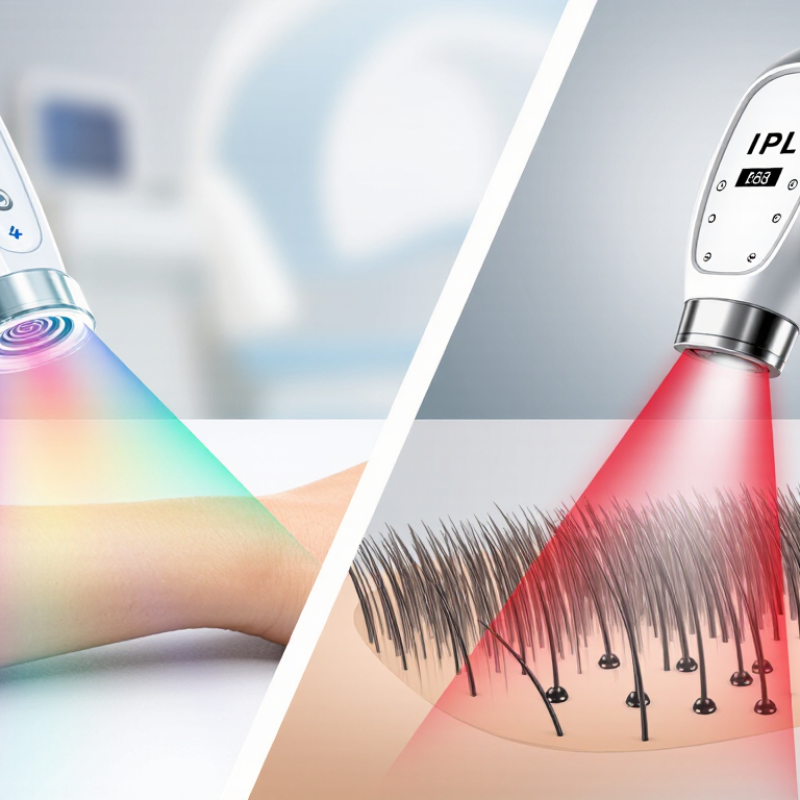
IPL is not a laser. It releases broad-spectrum light, commonly covering approximately 500–1200 nm, depending on filters and device design. Diode laser systems usually concentrate energy near 800–810 nm. That narrower wavelength targets melanin in the hair shaft more selectively, while IPL delivers several wavelengths through one flash. The simple comparison is imperfect.
This difference affects treatment planning. An 800–810 nm diode wavelength can reach deeper follicles and often suits coarse, dark hair. IPL may offer wider coverage and adjustable filters, especially when treating larger areas. Yet skin tone, hair thickness, fluence, pulse duration, cooling, and operator training can change results more than wavelength alone. It is not magic.
A 2023 systematic review in Dermatologic Surgery reported that professional laser and light devices produced substantial, but variable, long-term hair reduction after repeated sessions. The ISAPS Global Survey 2023 recorded more than 1.9 million laser skin-resurfacing procedures worldwide, showing continued demand for energy-based treatments, although resurfacing data cannot directly predict hair-removal outcomes. Clinical guidelines from the American Academy of Dermatology emphasize consultation, patch testing, and cautious settings for darker skin tones.
A darker complexion absorbs more light, increasing the risk of temporary burns or pigment changes. Even experienced providers can misjudge a first session. Decisions should follow a measured test area, realistic hair-growth expectations, and documented device parameters.
Comparing IPL and diode laser requires realistic expectations. Both can reduce unwanted hair after six to eight sessions. Results often appear gradually, not after one dramatic appointment. Hair grows in cycles, so each session targets only active follicles. Treatment intervals usually range from four to eight weeks. Dark, coarse hair often responds better than pale, red, or grey hair.
Diode laser delivers a concentrated wavelength, while IPL uses a wider light spectrum. Clinical evidence suggests both methods can provide meaningful long-term reduction when settings match the patient’s skin tone and hair type. Diode treatment may offer more consistent results for some people. IPL can still perform well, especially across larger areas.
The device name alone does not determine success. Operator training, cooling, fluence, and accurate skin assessment matter greatly.
After six to eight sessions, many users experience slower growth and finer regrowth. Some areas remain smooth for months, while hormonal changes may trigger new growth. Maintenance treatments can be necessary.
A tidy percentage claim sounds convincing, but it may hide differences between studies. I would not promise permanent removal. That wording is too absolute.
A qualified practitioner should review medications, tanning history, pigment risk, and previous reactions before treatment. Patch testing is sensible, even when the skin looks healthy.
2026 Best IPL or Diode Laser Which Is Better?
Choosing IPL or diode laser starts with skin assessment, not device popularity. Fitzpatrick I–III usually contain less epidermal melanin. They often tolerate stronger settings with lower pigment-change risk. However, redness, burns, and temporary darkening remain possible.
Fitzpatrick IV–VI need more caution. Melanin competes with the hair follicle for light energy. IPL uses a broad wavelength range, so more energy may reach the epidermis. An 810-nanometre diode system can offer more selective targeting, but it is not automatically safe. A 2022 systematic review in Lasers in Medical Science reported that pigmentary complications were more concerning in darker phototypes, especially after excessive fluence or poor cooling. The American Academy of Dermatology also advises professional assessment and test spots before treatment.
Small details matter. Darker skin needs careful shaving, clean contact cooling, and conservative pulse settings. The treatment area should not feel sharply hot. It should feel warm, then settle quickly. A test spot is useful, not conclusive. I would reassess the skin after 48–72 hours before treating a larger area.
The 2023 American Society for Dermatologic Surgery consumer survey shows continued demand for light-based aesthetic procedures, but demand does not replace clinical judgment. Results also depend on hair thickness, hormonal factors, recent sun exposure, and operator training. For Fitzpatrick IV–VI, diode may offer a narrower safety pathway than IPL, while Fitzpatrick I–III may tolerate either option when settings are individualized. No device removes risk.
2026 Best IPL or Diode Laser: Which Is Better?
The better option depends on hair color, skin tone, treatment area, and operator skill. IPL delivers a broad spectrum of light. A diode laser targets a narrower wavelength. That focused energy may offer more predictable absorption in suitable hair follicles. IPL can feel like repeated warm snaps. Diode treatments often feel sharper, especially on dense hair.
Fluence measures energy density, usually in joules per square centimeter. Higher fluence is not automatically better. It must match skin response, hair thickness, and cooling capacity. Pulse width controls how long energy enters the follicle. Short pulses can suit some coarse hairs, while longer pulses may reduce excessive surface heating. These choices require trained assessment, not a fixed online chart. A test spot is sensible.
Cooling changes comfort and risk. Contact cooling, chilled air, or cooled gel can protect the epidermis during treatment. Strong cooling may hide discomfort, so visual skin reactions still matter. I have seen treatment plans fail when comfort was judged as the only success measure. That is an important mistake. Sessions commonly repeat every four to eight weeks. Facial hair may need shorter intervals, while legs often need longer spacing. Hair cycles vary, and visible shedding may take several days. Darker skin requires conservative settings and careful monitoring, even with advanced cooling.
Representative clinical operating values; actual settings should be selected according to skin type, hair characteristics, treatment area, and device protocol.
IPL commonly uses broader-spectrum light with moderate fluence and shorter pulses, while diode laser systems often provide more concentrated energy and longer adjustable pulses. Both approaches commonly use contact or surface cooling, and treatment intervals are generally scheduled every 4–8 weeks depending on the body area and hair-growth cycle. Lower cooling-contact temperatures indicate stronger surface cooling.
The better choice depends on the treatment goal, not the device label. IPL uses broad-spectrum light, so it can address hair and selected pigmentation concerns. Diode laser delivers a narrower wavelength, focusing energy more directly on hair follicles. This difference makes diode treatment more precise for coarse, dark hair.
IPL offers versatility.
It may suit people seeking several light-based treatments in one platform. However, results can vary with skin tone, hair thickness, and treatment settings. Diode systems often provide stronger follicle targeting, especially on larger areas such as legs, backs, or underarms. Experienced providers still adjust fluence, pulse duration, and cooling for each client.
Good assessment matters.
A consultation should review recent tanning, medications, skin sensitivity, and hair growth patterns. Darker skin may require conservative settings and careful wavelength selection to reduce burn or pigment-change risks. Light, grey, or red hair usually responds poorly because it contains less target pigment. Neither option removes every hair permanently. Maintenance sessions may still be needed.
I have seen clients focus too much on speed.
That can be misleading. A fast session is not always an effective one. Patch testing, protective eyewear, documented settings, and trained supervision support safer decisions. The most suitable option is the one matched to the person’s skin, hair, budget, and realistic treatment schedule.
IPL uses broad-spectrum light, commonly around 500–1200 nanometers. Diode laser usually concentrates energy near 800–810 nanometers. Diode energy is narrower and may target deeper follicles more selectively.
Diode laser often suits coarse, dark hair because its wavelength reaches deeper follicles. IPL may also work well, especially on larger treatment areas. Results depend on more than wavelength.
Many people need six to eight sessions. Hair grows in cycles, so one appointment cannot treat every active follicle. Growth often becomes slower and finer over time.
Sessions commonly occur every four to eight weeks. The correct interval depends on the treatment area and hair-growth cycle. Scheduling too closely may reduce useful targeting.
Neither method should be described as guaranteed permanent removal. Many users experience long-term reduction, but some regrowth can appear. Hormonal changes may create new growth later.
Darker skin absorbs more light, which can increase burn or pigment-change risks. A qualified practitioner should use cautious settings and cooling. Patch testing is important, even when skin appears healthy.
The practitioner should review skin tone, hair thickness, tanning history, medications, and previous reactions. Device settings should be documented. A small test area can reveal an unexpected response.
Fluence, pulse duration, cooling, operator training, and skin assessment all influence outcomes. Pale, red, or grey hair may respond less effectively. The device name alone does not decide success. Not magic.
Choosing between IPL and diode laser depends on your skin type, hair characteristics, treatment goals, and the technology’s adjustable settings. The key question, “what is the difference between ipl and diode laser,” relates mainly to their light delivery: IPL uses a broad spectrum, typically around 500–1200 nm, while diode laser systems focus on a narrower wavelength near 800–810 nm. This makes IPL more versatile for certain cosmetic applications, whereas diode laser treatment is often more targeted for hair reduction.
Most plans require approximately six to eight sessions, commonly spaced four to eight weeks apart, followed by maintenance when needed. Treatment results depend on fluence, pulse width, cooling, hair color, and growth cycle. People with Fitzpatrick skin types I–III may have fewer melanin-related risks, while types IV–VI require careful energy selection and professional assessment to reduce the chance of irritation or pigmentation changes. IPL may suit broader needs, while diode laser can offer greater precision for focused hair-removal goals.
