Lyens Beauty
As non-surgical body contouring develops in 2026, many readers are asking how to combine fat freezing and cavitation for best results. The answer is not simply using two devices in one appointment. Cryolipolysis targets selected fat cells with controlled cooling. Cavitation uses ultrasound energy and may support temporary circumference reduction. Their effects, timing, and suitability can differ.
Dr. Grant Stevens, a board-certified plastic surgeon and aesthetic medicine educator, offers a useful reminder: “Treatment plans should be tailored to the patient, not the machine.” That principle matters here. A qualified provider should assess fat distribution, skin elasticity, medical history, expectations, and device approval in the treatment region. One person may benefit from fat freezing first, followed by cavitation after recovery. Another may need only one approach. More treatment is not automatically better.
This guide will examine practical sequencing, realistic intervals, aftercare, and warning signs requiring professional review. It will also distinguish visible contour changes from weight loss. Neither method replaces nutrition, movement, or medically supervised care. Results can be gradual. They can also be uneven. That is easy to overlook.
The evidence remains promising, but not perfect. Individual responses vary, and some claims exceed current research. Patients should request before-and-after examples, understand possible side effects, and confirm who performs the treatment. A careful plan may feel slower. It is often safer and more credible. This 2026 overview aims to clarify the process without promising dramatic outcomes or pretending every body responds the same way.
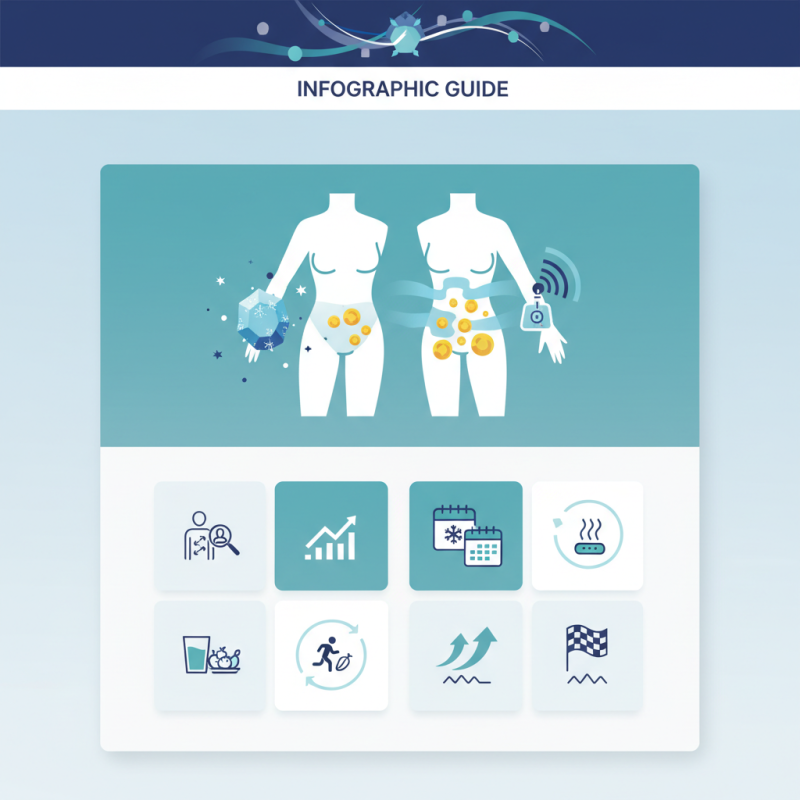
Fat freezing, medically known as cryolipolysis, uses controlled cooling to affect fat cells beneath the skin. A trained professional places an applicator over a selected area, such as the abdomen, flanks, thighs, or upper arms. The skin is protected while the underlying fat is cooled. The body then gradually clears some affected cells over several weeks.
Cavitation is a non-surgical treatment that uses low-frequency ultrasound energy around fatty tissue. The sound waves may disturb fat-cell membranes, allowing the body to process released fatty contents. It is not the same as surgical fat removal. Results can vary, and scientific evidence differs between devices and treatment methods. Neither procedure treats obesity or removes visceral fat around internal organs.
The process is not as neat as advertisements suggest. Some people notice temporary redness, swelling, tenderness, numbness, or sensitivity after treatment. In rare cases, fat tissue can enlarge instead of shrink after cryolipolysis. A qualified practitioner should review medical history, skin condition, treatment goals, and device safety before combining procedures. Fat freezing and cavitation may be scheduled separately, but the timing should reflect healing and individual response. Photographs, measurements, and honest follow-up matter more than a single dramatic comparison. I would treat “no downtime” cautiously, because normal activities may still feel uncomfortable for a few days.
Fat freezing and cavitation work together through different physical processes.
Fat freezing, or cryolipolysis, cools selected fat cells beneath the skin. The body gradually clears the affected cells over several weeks. Cavitation uses controlled ultrasound to target fat tissue. It may disrupt fat cell membranes, although research results remain less consistent than those for cryolipolysis.
The treatment plan should match the person, not the machine.
A qualified practitioner may use fat freezing for a small, pinchable bulge, then consider cavitation for nearby contour refinement. These procedures do not replace exercise or treat obesity. They also cannot remove loose skin. Treatment areas should be assessed carefully, including skin quality, medical history, and realistic goals. Not every area responds evenly.
The experience can feel unusual. Fat freezing may create intense cold, pulling, or temporary numbness. Cavitation often feels warmer, with mild vibration or buzzing. Results appear gradually, not overnight.
This matters.
Combining methods requires professional spacing and monitoring. Performing multiple treatments too aggressively may increase discomfort without improving results. Some people see modest contour changes; others notice little difference. That uncertainty deserves honesty.
A licensed healthcare professional should explain expected benefits, possible side effects, contraindications, and follow-up care before treatment. Fresh measurements and photographs can help, but they are not perfect. Body position, lighting, and swelling can alter comparisons.
Combining fat freezing and cavitation requires a staged plan, not a rushed appointment. Start with a licensed medical professional’s assessment. Record waist measurements, pinch thickness, skin condition, medications, and treatment goals. Fat freezing targets localized subcutaneous fat through controlled cooling. Cavitation uses ultrasound energy, but published evidence remains less consistent. A 2023 systematic review in Aesthetic Surgery Journal reported average cryolipolysis fat-thickness reductions near 20%, while noting varied study methods.
Create a baseline first. Take photographs under identical lighting. Treat one area only when possible. Many clinical protocols reassess cryolipolysis results after six to eight weeks, because visible changes develop gradually. At that visit, check tenderness, numbness, contour changes, and skin response. Add cavitation only if the clinician considers it appropriate. Current research does not establish one universally superior order. This matters. A more aggressive sequence is not automatically better. The American Society of Plastic Surgeons also describes noninvasive contouring as body shaping, not a weight-loss treatment.
Tips: Keep sessions separated according to the provider’s protocol. Do not judge results after one week. Track measurements, not only mirror changes. Ask for the device’s clinical evidence and treatment parameters. Stop and seek medical advice for persistent pain, unusual swelling, blistering, or worsening numbness. Results can be uneven. That is normal sometimes. More research is still needed for combined protocols, and patient expectations should remain realistic.
| Step | Suggested Timing | Treatment Action | Purpose | Key Planning Notes |
|---|---|---|---|---|
| 1. Medical and Treatment Assessment | At least 1 week before the first session | Review medical history, medications, skin condition, pregnancy status, body-contouring goals, and the amount and location of localized fat. | To confirm that non-invasive body contouring is appropriate and that the treatment area can be safely assessed. | These procedures are intended for localized fat reduction, not general weight loss. A qualified healthcare professional should make the final suitability decision. |
| 2. Baseline Documentation | Before treatment begins | Record photographs, treatment-area measurements, skin condition, tenderness, and the patient’s expectations. | To create a consistent reference for evaluating changes over time. | Use the same posture, lighting, camera distance, and measurement method at each follow-up. |
| 3. Fat Freezing First | Week 0; commonly about 35–75 minutes per treatment area, depending on the device and applicator | Apply controlled cooling to a pinchable localized fat area using the treatment parameters specified by the device manufacturer and clinician. | Cryolipolysis is designed to damage susceptible fat cells through controlled cooling; the body gradually clears the affected cells over time. | Temporary redness, swelling, bruising, numbness, or tenderness may occur. Avoid treating areas with conditions that make cold exposure unsafe. |
| 4. Initial Recovery Period | Week 0–2 | Monitor the treated area and allow local swelling, tenderness, altered sensation, or bruising to settle before adding another energy-based treatment to the same area. | To avoid confusing normal post-cooling effects with reactions to cavitation and to support safe clinical monitoring. | There is no universally established clinical protocol proving that same-day combination is superior. A conservative schedule should follow professional judgment and device instructions. |
| 5. First Cavitation Session | Usually around Week 2–3, only after the area has recovered | Use therapeutic ultrasound cavitation according to the equipment’s approved parameters and the practitioner’s treatment plan. | Ultrasound-based body contouring may temporarily alter the appearance or circumference of a localized area; outcomes vary by device, patient, and protocol. | Confirm that the patient has no relevant contraindications, such as pregnancy, certain implanted electronic devices, or untreated skin problems in the treatment area. |
| 6. Cavitation Series | Typically once weekly or according to the device protocol; a sample plan is 3–6 sessions | Repeat cavitation only if the area has tolerated the previous session and the clinician considers additional treatment appropriate. | To provide a structured treatment course while allowing time to observe local response between sessions. | Session duration is device-dependent. More sessions do not automatically produce better results, and treatment should stop if significant or persistent symptoms develop. |
| 7. Lifestyle Support | Throughout the treatment course | Maintain a stable eating pattern, regular physical activity, adequate hydration, and a stable body weight. | To support overall health and help maintain the cosmetic result; neither treatment replaces weight-management habits. | Avoid promising detoxification or guaranteed fat elimination. Individual results can differ substantially. |
| 8. Progress Review | Around Week 6–8 and again at approximately 12 weeks | Repeat standardized photographs and measurements, review symptoms, and decide whether further treatment is justified. | Cryolipolysis results develop gradually, so early measurements may not represent the final outcome. | A final assessment is often more meaningful several weeks after the last treatment rather than immediately after a session. |
| 9. Maintenance Decision | After the 8–12 week review | Continue routine care only if the result is satisfactory; consider additional treatment only after reassessment. | To prevent unnecessary repeat procedures and keep the plan based on documented results. | Repeat cryolipolysis or cavitation should not be scheduled automatically. Treatment intervals depend on the area, response, device, and clinical findings. |
Combining fat freezing with cavitation requires clinical screening, not a sales schedule. The 2023 ISAPS Global Survey recorded about 19.1 million nonsurgical procedures worldwide, but it did not confirm the safety of combining these two treatments. A qualified clinician should review pregnancy, cold sensitivity, neuropathy, hernias, poor circulation, implanted devices, medicines, and previous abdominal surgery. The skin must be intact, warm, and free from infection. Treatment areas should be photographed and measured. Keep expectations realistic. Evidence for combined protocols remains limited.
Do not automatically stack both procedures on one day. Device instructions, treatment intensity, and spacing should guide the plan. Ask who will supervise the session and how complications are managed. Afterward, wear loose clothing and follow the provider’s cleansing instructions. Normal hydration is sensible, but “detox” claims lack reliable clinical support. Avoid aggressive massage, heat exposure, and strenuous exercise if swelling or tenderness increases. Mild numbness, redness, bruising, or temporary discomfort may occur. Seek medical advice for blistering, severe pain, spreading redness, fever, unusual weakness, or a growing abdominal bulge. A firm enlargement appearing weeks or months later also needs assessment, because delayed paradoxical adipose hyperplasia is a recognized, uncommon complication of cryolipolysis. The FDA’s adverse-event database is useful for signal detection, but it cannot calculate true treatment risk. Careful follow-up matters more than promises.
Before combining treatments: confirm that the treatment areas, skin sensation, circulation, and medical history are suitable. Screen for pregnancy, active skin infection, open wounds, hernia, impaired sensation, cold-sensitive disorders, implanted electronic devices, and conditions or medicines that may increase bruising or healing problems. A qualified healthcare professional should decide whether the treatments can be performed on the same day or should be separated.
Aftercare: follow the provider’s instructions, maintain normal hydration, avoid intense heat or strenuous exercise if the area is tender, protect irritated skin, and monitor symptoms. Seek medical advice for severe or worsening pain, blistering, marked swelling, skin color changes, fever, or symptoms that persist beyond the expected recovery period.
The chart shows commonly reported ranges for temporary effects after non-invasive body-contouring procedures. Individual recovery varies, and there is no universally validated protocol for combining fat freezing with cavitation.
2026 Top How to Combine Fat Freezing and Cavitation?
Combining fat freezing and cavitation may appeal to people targeting small, resistant areas. Fat freezing uses controlled cooling to affect selected fat cells. Cavitation uses ultrasound energy and may temporarily change the appearance of fatty tissue. Neither treatment replaces nutrition, movement, or medical care. Results vary widely.
Manage expectations before scheduling treatment. These procedures are body-contouring options, not weight-loss solutions. Changes may appear gradually over several weeks or months. A qualified medical professional should assess your health, skin condition, treatment area, and goals. Evidence for combining both methods remains limited, so promised results deserve careful questioning. More treatment does not automatically mean better results. That assumption can be expensive.
Tips: Take consistent photos in the same lighting and clothing. Record waist or area measurements, but avoid daily checking. Compare progress after four to eight weeks, not after one session. Ask about possible side effects, realistic timelines, contraindications, and aftercare. A trained provider should explain when treatment is unsuitable. Avoid pressure to purchase packages immediately. Your expectations matter.
Be honest about what bothers you. A small contour change may be meaningful, while dramatic slimming is unlikely. I would also reconsider vague before-and-after images; they can hide posture, lighting, and editing differences. Personal results may feel slower than expected. That is normal, but persistent pain or unusual swelling requires prompt professional advice.
Fat freezing uses controlled cooling to affect fat cells beneath the skin. A trained professional treats areas like the abdomen, thighs, or upper arms. The body gradually clears some affected cells over several weeks.
Cavitation uses low-frequency ultrasound energy around fatty tissue. It may disturb fat-cell membranes and change the treated area’s appearance. Results vary between devices and individuals.
No. They are body-contouring treatments, not weight-loss solutions. Neither procedure treats obesity or removes internal abdominal fat. Nutrition, movement, and medical care still matter.
They may be scheduled separately for small, resistant areas. Timing should allow healing and reflect your personal response. Evidence for combining them remains limited. More treatment is not automatically better.
Changes may develop over several weeks or months. A small contour change may be meaningful. Dramatic slimming is unlikely. My expectations would stay modest.
Temporary redness, swelling, tenderness, numbness, or sensitivity may occur. Normal activities can feel uncomfortable for several days. Rarely, treated fat tissue may enlarge after fat freezing.
Take photographs in the same lighting and clothing. Measure the treated area consistently. Compare results after four to eight weeks, not after one session. Daily checking can create unnecessary worry.
Ask about your health history, skin condition, treatment goals, device safety, side effects, and aftercare. A qualified professional should explain when treatment is unsuitable. Avoid immediate pressure to buy packages. That warning matters.
Fat freezing and cavitation are non-surgical body-contouring treatments that use different approaches to target localized fat. Fat freezing cools selected fat cells, while cavitation uses controlled ultrasound energy to affect fat tissue. Learning how to combine fat freezing and cavitation for best results starts with understanding that they should not be treated as interchangeable or automatically suitable for everyone. A qualified professional should assess body composition, treatment goals, medical history, skin condition, and the area being treated before creating a plan.
A carefully structured sequence may involve completing one treatment, allowing sufficient recovery and observation time, and then considering the second treatment only when the provider confirms it is appropriate. Safety checks, realistic expectations, hydration, movement, and adherence to aftercare instructions are essential. Results develop gradually and can vary according to individual factors, lifestyle, and treatment settings. Progress should be evaluated through consistent measurements, photographs, and overall body changes rather than immediate appearance alone. These treatments are intended for body contouring, not weight loss, and professional guidance is important throughout the process.
